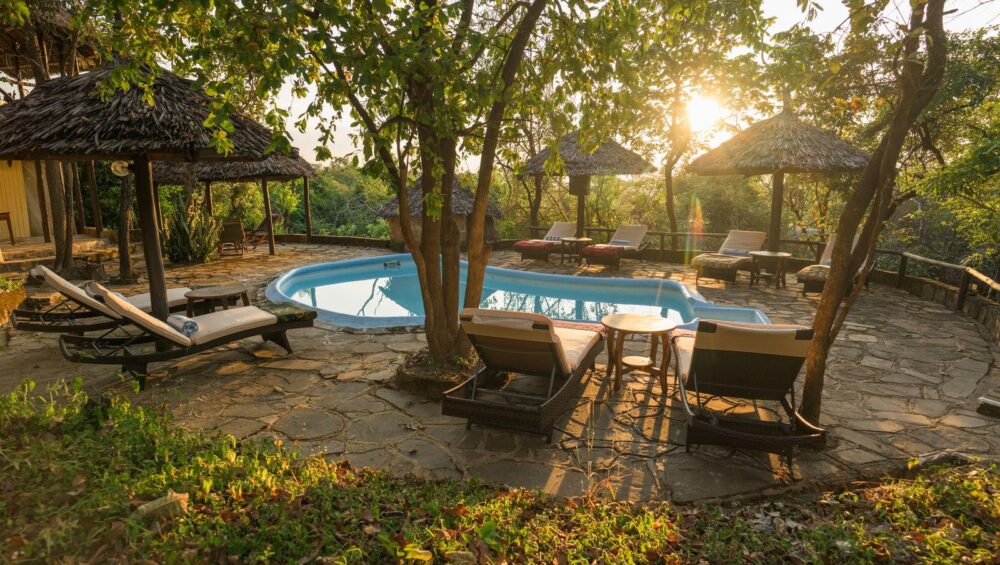
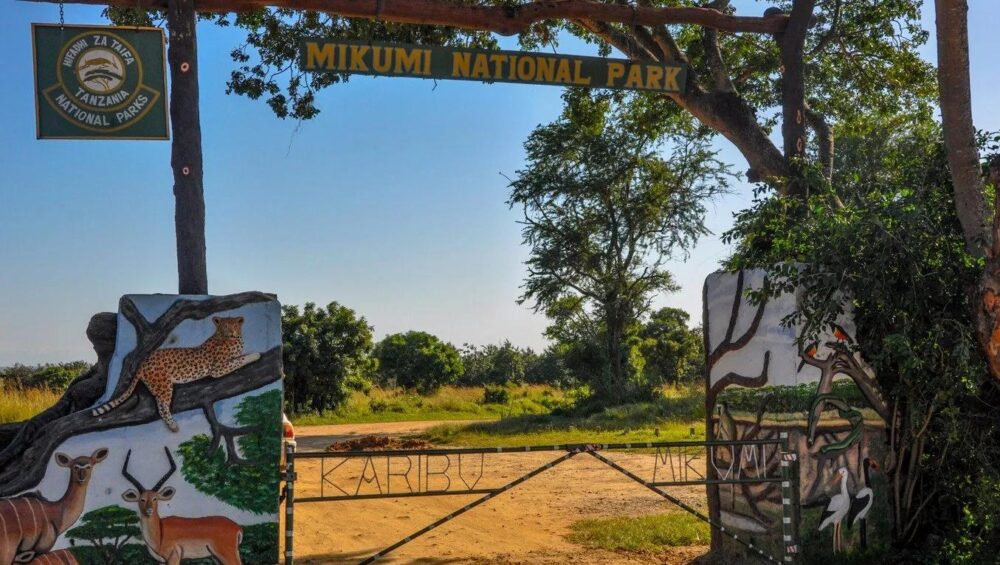
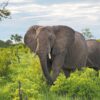
Choosing the right place to stay can make your Mikumi safari more comfortable and enjoyable. Mikumi National Park has several accommodation options in and around the park, ranging from simple campsites and budget lodges to comfortable safari camps and higher-end properties.
The best accommodation depends on your budget, safari duration, preferred level of comfort, and how close you want to be to the park. Some travelers prefer staying close to the park entrance, while others choose a lodge with more facilities and a relaxing atmosphere.
If you are planning a one-day, two-day, or three-day Mikumi safari, choosing the right accommodation can also help you make better use of your time.
Where to Stay Near Mikumi National Park
There are accommodation options both inside and outside Mikumi National Park. Staying closer to the park can be convenient because you spend less time traveling between your accommodation and the safari areas.
Accommodation around Mikumi town can also be a practical choice, especially for travelers arriving by road from Dar es Salaam. Some lodges are located close enough to the park to make early morning game drives convenient.
The right location depends on your itinerary. If wildlife viewing is your priority, staying close to the park can be particularly useful.
Staying Inside Mikumi National Park
Staying inside or close to the protected area can provide a more immersive safari experience. You are already near the wildlife environment when you wake up, which can make early morning game drives easier to organize.
Some safari camps and park accommodation options provide a closer connection with nature. You may hear birds and other sounds of the African bush around your accommodation.
However, accommodation inside the park can be more expensive than some options outside the park. Availability can also be limited, especially during busy travel periods.
For travelers who want the full safari atmosphere, staying inside the park or at a property very close to it can be an excellent choice.
Staying Near Mikumi Town
Mikumi town has several accommodation options and is convenient for travelers arriving by road.
Staying around town can provide access to restaurants, shops, and other basic services. It can also be useful for travelers who want a more affordable place to stay before or after a safari.
The main advantage is convenience. You can arrive in the area, check into your accommodation, and prepare for your game drive without needing to travel a long distance.
For budget-conscious travelers, accommodation around Mikumi town can offer good value.
Camp Bastian Mikumi
Camp Bastian Mikumi is one of the accommodation options travelers can consider when planning a safari in the area. The property is known as a safari-style accommodation option with facilities designed for visitors exploring Mikumi.
It can be suitable for travelers looking for a comfortable stay without choosing the highest-priced luxury properties.
Its location also makes it useful for safari itineraries that include game drives in Mikumi National Park.
Before booking, check the current room options, availability, meals, and services because accommodation facilities and rates can change.
Mikumi Safari Lodge
Mikumi Safari Lodge is another accommodation option for travelers visiting the park. It provides a safari-oriented setting and can work well for visitors who want accommodation close to the Mikumi safari experience.
The lodge can be considered by couples, families, and individual travelers depending on the available room types.
When choosing a lodge, it is important to look beyond the room itself. Consider the location, meals, transportation arrangements, and how easily your safari vehicle can access the park.
Tan-Swiss Lodge
Tan-Swiss Lodge is located in the Mikumi area and offers accommodation for travelers looking for a comfortable stay near the national park.
The property has been known as an option for safari travelers and visitors exploring the wider Morogoro and Mikumi area.
It can be a practical choice for travelers who want to combine their safari with time around the local area.
As with any accommodation, current prices and availability should be confirmed before booking.
Mantis Lodge and Camping Site
Mantis Lodge and Camping Site provides another option for travelers who prefer a combination of lodge accommodation and camping.
This type of accommodation can appeal to travelers who want to experience the natural surroundings while keeping their accommodation options flexible.
Camping can also be attractive to travelers who want a more traditional safari atmosphere.
If you are planning to camp, confirm what facilities are available and whether camping equipment is provided or needs to be brought separately.
Mikumi Wildlife Camp
Mikumi Wildlife Camp is another safari accommodation option associated with the Mikumi area.
Wildlife camps can be particularly appealing to visitors who want to spend more time surrounded by the natural environment.
The experience can feel different from staying in a conventional hotel.
For travelers who want their accommodation to be part of the safari experience, a wildlife camp can be worth considering.
Vuma Hills Tented Camp
Vuma Hills Tented Camp is located in the wider Mikumi National Park environment and offers a more traditional tented safari experience.
Tented accommodation is popular among travelers who want to combine comfort with a closer connection to nature.
The setting can be especially attractive to couples and travelers looking for a quieter safari experience.
Because properties can have seasonal availability and changing rates, it is important to confirm the current accommodation details before booking.
Stanley’s Kopje
Stanley’s Kopje is a safari accommodation option in the Mikumi area known for its elevated setting and wildlife-focused atmosphere.
A property with a scenic location can add another dimension to your safari because the accommodation itself becomes part of the experience.
This type of lodge can be attractive to travelers who are looking for more than a basic overnight stay.
It is particularly suitable for visitors who want to relax after spending several hours on a game drive.
Angalia Tented Camp
Angalia Tented Camp is another option for travelers looking for tented accommodation near Mikumi.
Tented camps can offer a balance between comfort and a traditional safari atmosphere.
They are particularly appealing to visitors who want to experience the sounds and surroundings of the African bush while still having comfortable accommodation.
Always confirm current availability, room categories, meal arrangements, and access to the park before making your final decision.
Best Budget Accommodation Near Mikumi
Travelers on a limited budget do not necessarily need to sacrifice the safari experience.
There are affordable lodges, guesthouses, and camping options around Mikumi. Staying outside the park can often reduce accommodation costs compared with higher-end safari camps.
Budget accommodation can be a good choice if you plan to spend most of your time inside the park on game drives.
The accommodation does not need to be luxurious if your main priority is wildlife.
However, check the cleanliness, location, security, meals, and transport arrangements before booking.
Best Mid-Range Accommodation Near Mikumi
Mid-range accommodation is a popular choice for many safari travelers because it provides a balance between price and comfort.
These properties can offer private rooms, comfortable beds, meals, outdoor areas, and other useful facilities without the higher prices associated with luxury camps.
Mid-range accommodation works well for couples, families, and small groups.
It is also a good option for a two-day or three-day Mikumi safari because you can relax comfortably after a full day in the park.
Best Luxury Accommodation Near Mikumi
Luxury safari accommodation is designed for travelers who want a more exclusive experience.
Luxury properties can offer spacious rooms or tents, quality dining, private facilities, scenic locations, and additional services.
The advantage is not only the room. A good luxury safari property can make the entire trip feel more relaxed.
Luxury accommodation is particularly attractive for honeymooners, couples celebrating special occasions, and travelers who prefer comfort over saving money.
Where to Stay for a One-Day Mikumi Safari
If you are doing a one-day safari, accommodation may not be necessary if you are returning to Dar es Salaam on the same day.
However, travelers who arrive in Mikumi the day before can benefit from staying close to the park.
An early start can give you more time for wildlife viewing.
For a one-day safari, location is therefore more important than having extensive hotel facilities.
A comfortable property near the park can make the safari easier and reduce unnecessary travel.
Where to Stay for a Two-Day Mikumi Safari
A two-day safari gives you more accommodation choices.
You can arrive on the first day, enjoy a game drive, stay overnight, and continue exploring the following morning.
Mid-range lodges and safari camps are particularly suitable for this type of itinerary.
Staying close to the park means you can spend more time on safari instead of traveling long distances between your accommodation and the park.
Where to Stay for a Three-Day Mikumi Safari
A three-day safari gives you more time to enjoy your accommodation as well as the park.
You can take your time during game drives and return to your lodge for meals and relaxation.
This makes a comfortable mid-range or luxury property more attractive.
If you are traveling from Zanzibar, a three-day itinerary can also make the overall journey less rushed.
Best Places to Stay in Mikumi for Families
Families should consider more than price when choosing accommodation.
Room configuration is important. Families should check whether the property offers family rooms or suitable arrangements for children.
A swimming pool or outdoor space can also be useful, especially after a long game drive.
Location matters as well. A property close to the park can reduce travel time and make the safari more comfortable for children.
Private safari arrangements can also give families more flexibility with departure times and breaks.
Best Places to Stay in Mikumi for Couples
Couples may prefer accommodation with a quiet setting, comfortable rooms, good dining, and scenic surroundings.
Tented camps can provide a more intimate safari atmosphere.
Higher-end lodges can also be attractive for honeymooners or couples celebrating a special occasion.
The best choice depends on whether you prioritize privacy, luxury, location, or price.
Can You Stay Inside Mikumi National Park?
Yes, there are accommodation options within the wider Mikumi protected area and nearby safari camps.
Staying closer to the park can provide a more immersive experience and reduce travel time before game drives.
However, not every accommodation option is located inside the national park itself. Some properties described as being near Mikumi are located outside the park boundaries.
This distinction is important when booking.
Always check the exact location of the property and how far it is from the gate you will use for your safari.
How Much Does Accommodation Near Mikumi Cost?
Accommodation prices near Mikumi vary widely.
Budget properties can be significantly cheaper than luxury safari camps.
Mid-range accommodation sits between these two categories and is often a popular choice for travelers who want comfort without paying luxury prices.
Prices can also change according to season, room type, meal plan, and availability.
Safari packages may include accommodation together with park fees, meals, transportation, and game drives.
For this reason, comparing the total safari package rather than only the room price can sometimes provide a better understanding of the actual cost.
Where to Stay Near Mikumi From Zanzibar
Travelers coming from Zanzibar should consider their arrival and departure times when choosing accommodation.
If you are flying to the Mikumi area, staying close to your safari activities can help maximize your time.
If you are traveling through Dar es Salaam by road, accommodation around Mikumi can be useful after the long transfer from the coast.
For a one-day safari, a very convenient location is important because travel time is limited.
For two or three days, you have more flexibility and can choose accommodation based on comfort and experience.
How to Choose the Best Place to Stay Near Mikumi
The best accommodation is not necessarily the most expensive one.
Start with your safari itinerary.
If you are planning early morning game drives, choose a property with convenient access to the park.
Next, consider your budget.
A simple lodge can be perfectly suitable if you spend most of the day exploring the park.
If comfort is important, a mid-range lodge may provide the best balance.
If you are celebrating a special occasion, a luxury tented camp can make the safari more memorable.
You should also check what is included. Meals, transfers, Wi-Fi, swimming pools, family rooms, and other facilities vary between properties.
Frequently Asked Questions About Mikumi Accommodation
What is the best place to stay near Mikumi National Park?
The best place depends on your budget and safari itinerary. Travelers looking for comfort can consider mid-range safari lodges, while budget travelers may prefer simpler accommodation or camping.
Can you stay inside Mikumi National Park?
Yes, accommodation is available within the wider protected area and in nearby safari properties. Always check the exact location because some properties marketed as being near Mikumi are outside the park.
What is the best budget accommodation near Mikumi?
There are several budget lodges, guesthouses, and camping options around Mikumi. The best choice depends on current availability, facilities, location, and price.
What is the best luxury accommodation near Mikumi?
Luxury tented camps and safari lodges provide a more exclusive experience. The best option depends on your preferred location, facilities, and safari itinerary.
Where should I stay for a one-day Mikumi safari?
For a one-day safari, staying close to the park can be beneficial because it reduces travel time. If you are traveling from Dar es Salaam and returning the same day, you may not need accommodation in Mikumi.
Is it better to stay inside or outside Mikumi National Park?
Staying inside or very close to the park can save travel time and provide a stronger safari atmosphere. Staying outside can offer more affordable accommodation and easier access to local services.
Final Thoughts
Mikumi National Park offers accommodation for different types of travelers. Whether you are looking for a simple place to sleep, a comfortable mid-range lodge, or a luxury safari camp, there are options to consider around the park.
The best choice depends on your budget, the length of your safari, and how much time you want to spend traveling between your accommodation and the park.
For short safaris, location should be a major consideration. For longer safaris, comfort and the overall accommodation experience become more important.
If you are traveling from Zanzibar, Dar es Salaam, Arusha, or another destination, choose accommodation that fits your transport schedule and safari plans.
A good place to stay should make your safari easier, more comfortable, and more enjoyable from the moment you arrive until the end of your trip.
Mikumi National Park Activities: Things to Do on Safari
Mikumi National Park offers more than just a chance to see wild animals.
The park has open savannahs, woodland, seasonal water sources, and the famous Mkata Floodplain. These landscapes create excellent opportunities for wildlife viewing and nature experiences.
The main activity in Mikumi is the game drive. However, visitors can also enjoy birdwatching and guided walking safaris in designated areas. TANAPA highlights game drives, walking safaris, and birding among the experiences available in Mikumi.
Whether you are visiting for one day or spending several nights near the park, there are different ways to experience Mikumi.
What Are the Best Activities in Mikumi National Park?
The best activity for most visitors is a game drive.
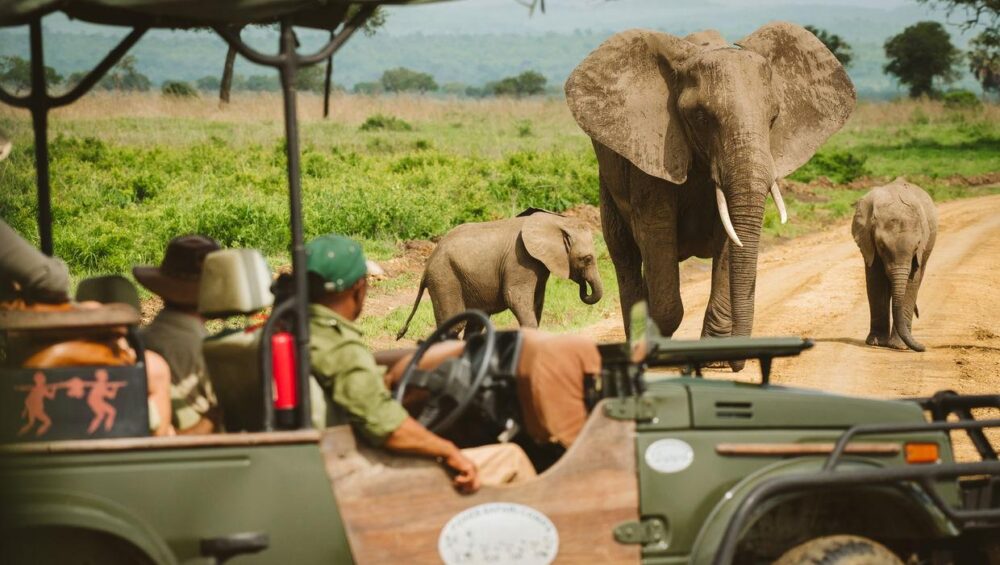
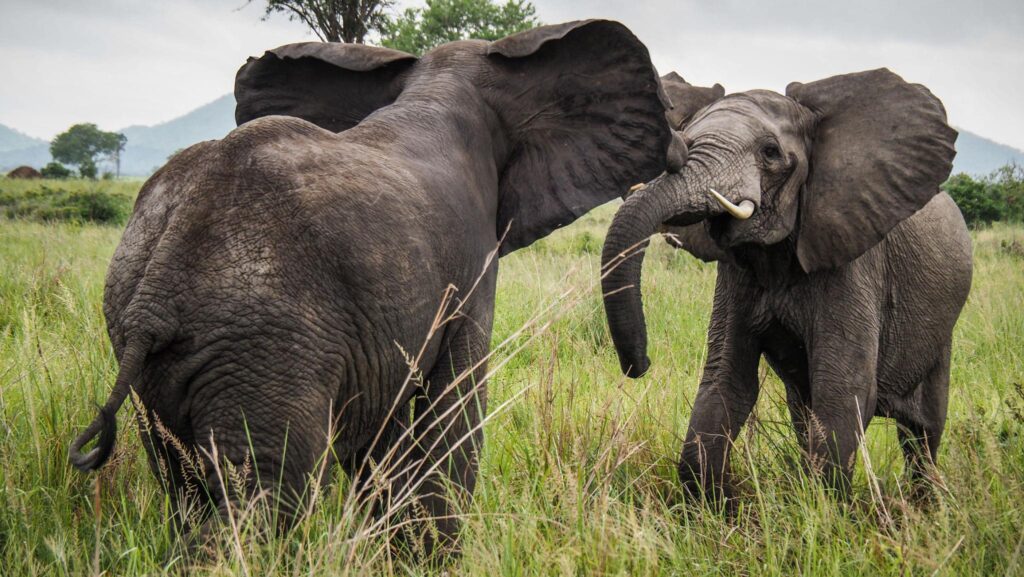
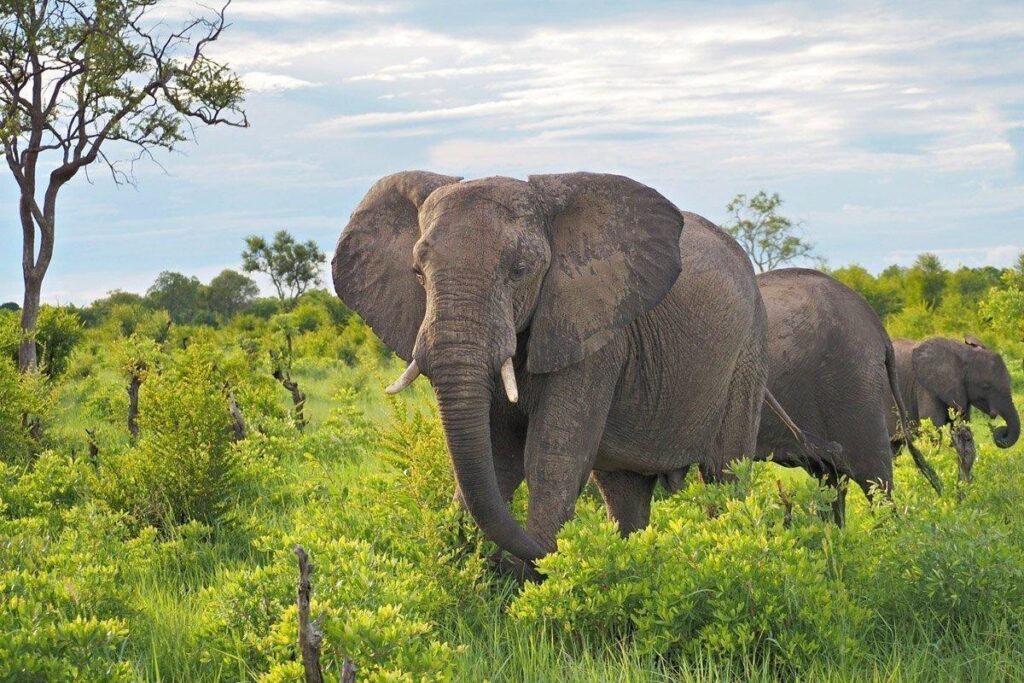
Mikumi has a network of wildlife-viewing roads around the Mkata Floodplain. The open landscape makes it possible to search for elephants, lions, buffaloes, zebras, giraffes, wildebeests, hippos, and other wildlife.
Birdwatching is another excellent activity.
The park has a variety of habitats that support many bird species. Guided walking safaris offer a different way to experience the park.
Instead of viewing the landscape only from a vehicle, you can explore nature on foot with a trained guide.
Game Drives in Mikumi National Park
Game drives are the main safari activity in Mikumi National Park.
You travel through the park in a safari vehicle with an experienced guide.
The guide searches for wildlife and explains what you see along the way.
The Mkata Floodplain is one of the most important areas for game viewing. Its open grasslands provide wide views across the landscape.
You may see elephants moving through the plains.
Giraffes can often be seen near trees and open grassland.
Zebras and wildebeests may be found grazing together.
Buffaloes can appear in groups.
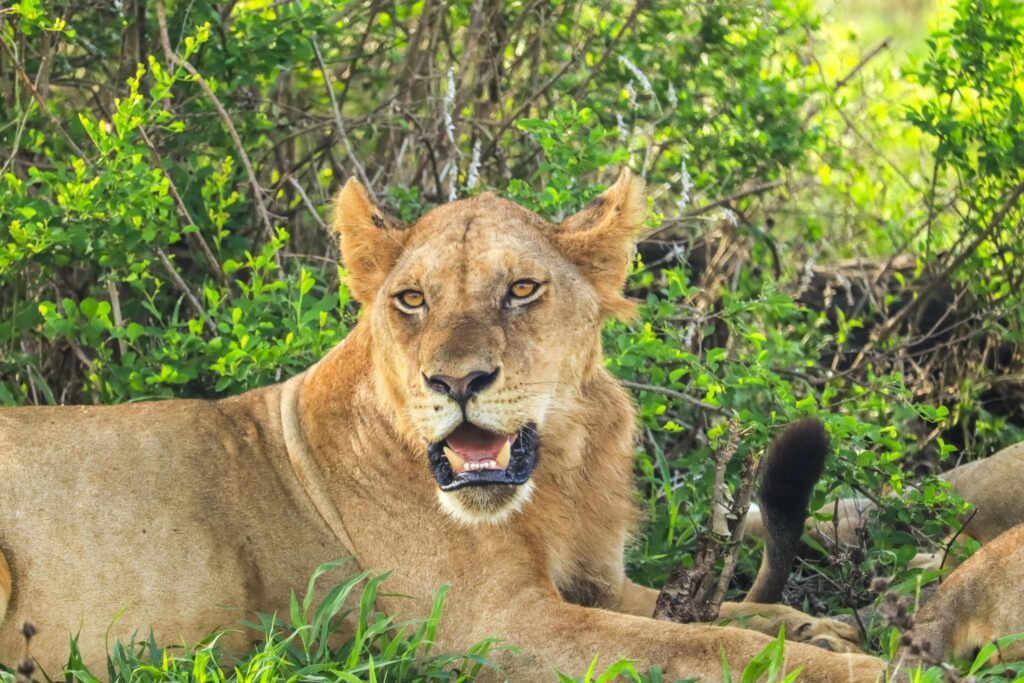
Lions are also present in the park.
Wildlife sightings are never guaranteed. Animals move freely and conditions change throughout the day.
This is why having a knowledgeable guide can make your game drive more rewarding.
Morning Game Drives in Mikumi
A morning game drive is a great way to start your safari.
The temperatures are usually cooler early in the day.
Many animals are also active during the morning.
You may see predators returning from their night activities.
Herbivores may be feeding in the open grasslands.
The morning light can also be excellent for photography.
If you have only one day in Mikumi, starting early can help you make the most of your time.
Afternoon Game Drives in Mikumi
Afternoon game drives offer another perspective of the park.
As the day becomes cooler, some animals become more active again.
You can continue exploring the Mkata Floodplain and other wildlife areas.
The afternoon light can create beautiful views across the savannah.
It is also a good time to look for animals around water sources.
A full-day safari can combine morning and afternoon game drives.
This gives you more time to explore and increases your opportunities for wildlife encounters.
Full-Day Game Drives
A full-day game drive is ideal for travelers who want to spend as much time as possible inside the park.
You can explore different areas instead of focusing on one short route.
Your guide can adjust the route depending on wildlife activity.
You can stop to watch animals and take photographs.
A picnic lunch can also be arranged depending on your safari itinerary and park regulations.
A full day is particularly useful for visitors who have traveled a long way to reach Mikumi.
You get more time to enjoy the landscape rather than rushing through the park.
Birdwatching in Mikumi National Park
Birdwatching is one of the best activities in Mikumi for nature lovers.
More than 400 bird species have been recorded in the park.
The combination of grasslands, woodland, and seasonal water sources creates habitats for many different birds.
You may see colorful birds such as rollers and bee-eaters.
Raptors can also be found in the park.
Waterbirds are attracted to wetlands and seasonal pans.
Birdwatching can be done during a normal game drive.
You can also ask your guide to focus more on birds if bird photography is one of your main interests.
The green season can be particularly interesting for birdwatchers because seasonal birdlife adds to the resident species.
Guided Walking Safaris in Mikumi
A walking safari allows you to experience Mikumi from a different perspective.
You leave the safari vehicle and explore the bush on foot with a qualified guide.
The experience is not only about finding large animals.
You can learn about tracks, plants, insects, birds, and other smaller details that are easy to miss from a vehicle.
Walking also gives you a better sense of the landscape.
You begin to notice animal footprints and sounds.
You can learn how guides identify signs of wildlife.
Walking safaris must take place in designated areas and under appropriate guidance.
Safety is always important when walking in a wildlife environment.
Bird Photography in Mikumi
Mikumi is a rewarding destination for wildlife photographers.
The open Mkata Floodplain provides wide views.
Large animals can sometimes be photographed against open backgrounds.
Bird photographers also have many opportunities.
The park’s bird diversity includes colorful species and birds of prey.
Early morning and late afternoon can provide attractive natural light.
A camera with a zoom lens is useful for wildlife photography.
However, you should always follow your guide’s instructions.
Never move too close to animals simply to get a better photograph.
Wildlife Photography Safaris
Photography can become the main focus of your Mikumi safari.
A photography-focused itinerary gives you more time to observe animal behavior.
Instead of quickly moving from one sighting to another, you can spend more time watching.
This is useful when photographing elephants, giraffes, lions, zebras, buffaloes, and birds.
The open landscapes around the Mkata Floodplain can also create strong landscape photographs.
The best photography opportunities depend on light, weather, wildlife activity, and patience.
A good guide can help you position the vehicle safely while giving you time to capture the moment.
Night Game Drives in Mikumi
Night game drives provide a completely different safari experience.
The park changes after sunset.
Some animals become active at night.
You may have the opportunity to observe nocturnal wildlife and behavior that you would not normally see during a daytime game drive.
Night drives are subject to park rules and permitted areas.
They should always be conducted with an authorized guide and appropriate arrangements.
For travelers who have already experienced a daytime game drive, a night experience can add another dimension to their safari.
Wildlife Viewing Around Water Sources
Water is important to wildlife.
Animals need water for drinking, cooling down, and other daily activities.
During drier periods, water sources can become particularly useful locations for wildlife viewing.
Your guide may spend time checking areas where animals are likely to gather.
You may see elephants, buffaloes, hippos, birds, and other species around suitable water sources.
Patience is important.
Sometimes the best experience comes from stopping quietly and watching what happens.
Cultural Experiences Around Mikumi
A Mikumi safari can also be combined with cultural experiences outside the national park.
These experiences provide an opportunity to learn more about communities and traditions in the surrounding area.
Cultural activities vary depending on the itinerary and local arrangements.
A responsible experience should respect local communities and avoid treating culture as a performance.
Your safari operator can recommend appropriate community-based experiences.
This can be a good addition if you want your trip to include more than wildlife.
Can You Visit Mikumi National Park From Zanzibar?
Yes.
Mikumi is a popular option for travelers who want to combine a Zanzibar holiday with a mainland safari.
You can travel from Zanzibar to mainland Tanzania and continue to Mikumi.
For travelers with very limited time, a one-day safari can be arranged using air travel when suitable flights are available.
A two-day safari gives you more time to enjoy the park.
A three-day safari is better for travelers who want a slower experience.
The best option depends on your schedule and budget.
1-Day Mikumi Safari From Zanzibar
A one-day Mikumi safari from Zanzibar is designed for travelers with limited time.
You travel to Mikumi, spend the day on a game drive, and return to Zanzibar.
It is a long day.
However, it allows you to combine a beach holiday with a short wildlife experience.
The main focus should be the game drive.
If you only have one day, good planning is important.
Early departures and efficient transfers help maximize your time in the park.
2-Day Mikumi Safari From Zanzibar
Two days provide a more relaxed safari experience.
You can travel from Zanzibar to mainland Tanzania and continue to Mikumi.
After arriving, you can enjoy a game drive and spend the night near the park.
The next morning gives you another opportunity for wildlife viewing.
This option is better for travelers who do not want to rush.
It also gives you more time to enjoy the landscape and wildlife.
3-Day Mikumi Safari From Zanzibar
A three-day safari gives you even more flexibility.
You can enjoy several game-drive sessions.
You also have more time to relax at your accommodation.
The extra time can be useful for photographers and wildlife enthusiasts.
A three-day itinerary can also be combined with other attractions in southern Tanzania.
This makes it a good choice for travelers who want more than a quick safari.
Best Time for Mikumi National Park Activities
Mikumi can be visited throughout the year.
The experience changes with the seasons.
The dry season from June to October is often favorable for wildlife viewing. Vegetation can be less dense, and animals may become easier to locate around water sources.
The green season offers a different experience.
The landscape becomes greener.
Birdwatching can also be rewarding during this period.
Your ideal travel period depends on your interests.
If wildlife viewing is your priority, the dry season can be a strong choice.
If you enjoy green landscapes and birding, the wetter months can be appealing.
Which Mikumi Activity Is Best for You?
For most first-time visitors, the game drive is the best activity.
It gives you the opportunity to experience Mikumi’s main attraction.
Birdwatching is ideal for travelers who enjoy birds and nature.
A walking safari is better for visitors who want a closer look at the smaller details of the ecosystem.
Photography is suitable for travelers who want to spend more time observing wildlife.
A night drive can be an exciting addition when available and properly arranged.
You do not necessarily have to choose only one activity.
A two-day or three-day safari can combine several experiences.
How Many Days Do You Need for Mikumi Activities?
One day is enough for a basic game-drive experience.
Two days provide a better balance.
Three days allow you to explore at a slower pace.
If you want to combine Mikumi with other southern Tanzania destinations, you can extend the trip further.
For travelers coming from Zanzibar, two or three days is often a comfortable choice.
It gives you enough time for travel and wildlife viewing without making the safari too long.
Frequently Asked Questions About Mikumi Activities
What activities are available in Mikumi National Park?
The main activities include game drives, birdwatching, and guided walking safaris in designated areas. Other experiences may be available depending on current park rules and arrangements.
What is the main activity in Mikumi?
Game drives are the main safari activity.
They allow visitors to explore the park by vehicle while searching for wildlife.
Can you go on a walking safari in Mikumi?
Yes.
Guided walking safaris are available in designated areas. They offer a different way to experience the park and learn about tracks, plants, birds, and the smaller parts of the ecosystem.
Is birdwatching good in Mikumi?
Yes.
Mikumi has a rich birdlife and more than 400 recorded bird species. The park’s woodland, grasslands, and seasonal water sources provide good habitats for birds.
Can you visit Mikumi from Zanzibar?
Yes.
Mikumi can be included in a safari itinerary from Zanzibar.
Travel options depend on your schedule and the available transport connections.
How many days do you need for a Mikumi safari?
One day can work for travelers with limited time.
Two days provide a better balance.
Three days are ideal for a more relaxed safari.
Final Thoughts
Mikumi National Park offers several ways to experience Tanzania’s wildlife.
Game drives remain the main attraction.
They provide opportunities to explore the Mkata Floodplain and search for elephants, lions, giraffes, zebras, buffaloes, hippos, and other wildlife.
Birdwatching adds another dimension to the safari.
Walking safaris allow you to explore the environment more closely.
Photography gives you time to observe wildlife and capture the scenery.
Mikumi is also convenient for travelers coming from Dar es Salaam and Zanzibar.
Whether you have one day or several days, you can create an itinerary that matches your time and interests.
For the best experience, choose a safari duration that allows you to enjoy the park without rushing.
If you are ready to experience Mikumi National Park activities, a game drive is the perfect place to start.
What Are Some Interesting Facts About Mikumi National Park?
Mikumi National Park is one of Tanzania’s most interesting safari destinations. It is known for its open savannah, rich wildlife, and easy access from Dar es Salaam.
The park is also a great choice for travelers coming from Zanzibar. A short trip can take you from the beaches of Zanzibar to the wildlife of mainland Tanzania.
But how much do you really know about Mikumi?
There are many interesting facts about this park. Its history, landscape, wildlife, and location all make it special.
Here are some of the most interesting facts about Mikumi National Park.
Mikumi National Park Was Established in 1964
Mikumi National Park was officially established in 1964.
It is one of Tanzania’s protected wildlife areas. The park was created to protect its wildlife, grasslands, forests, and other natural habitats.
Today, Mikumi is managed by the Tanzania National Parks Authority, commonly known as TANAPA.
The park has become an important destination for wildlife tourism in southern Tanzania.
Its conservation role is also important. Protecting Mikumi helps maintain habitats for many species of mammals, birds, reptiles, and other wildlife.
Mikumi Covers About 3,230 Square Kilometers
Mikumi National Park covers approximately 3,230 square kilometers.
That is a large area to explore.
The park contains different habitats. These include open grasslands, woodland, rivers, wetlands, and seasonal water sources.
These different environments support a wide range of wildlife.
The size of the park also means that animals can move freely between different areas.
This is one reason why every game drive can be different.
Mikumi Is Famous for the Mkata Floodplain
One of the most interesting features of Mikumi is the Mkata Floodplain.
The floodplain is an open area surrounded by woodland and mountains.
It is one of the best-known wildlife viewing areas in the park.
The open landscape can make animals easier to spot during a game drive.
Large animals can often be seen moving across the grasslands.
The floodplain also attracts many herbivores. These include zebras, wildebeests, buffaloes, and giraffes.
Predators such as lions also use the area.
For photographers, the open landscape provides excellent views of wildlife and the surrounding scenery.
Mikumi Is Part of a Larger Ecosystem
Mikumi is not an isolated wildlife area.
The park forms part of a much larger ecosystem in southern Tanzania.
Its ecological connections extend toward other protected areas and important natural landscapes.
This wider ecosystem allows wildlife to move through large areas of natural habitat.
Mikumi is also part of the southern Tanzania safari circuit.
This makes it possible to combine a Mikumi safari with other destinations.
Travelers with more time can explore places such as Nyerere National Park, Udzungwa Mountains National Park, and Ruaha National Park.
Mikumi Is Located in Southern Tanzania
Mikumi National Park is located in the Morogoro Region of southern Tanzania.
It is positioned along an important transport route between Dar es Salaam and the southern parts of the country.
The park is about 300 kilometers from Dar es Salaam by road.
This location is one of Mikumi’s biggest advantages.
Many famous safari parks require long journeys from Tanzania’s major cities.
Mikumi can be reached more easily from the coast.
This makes it particularly attractive for short safari holidays.
Mikumi Is Easy to Visit From Dar es Salaam
Mikumi is one of the most convenient safari destinations for people staying in Dar es Salaam.
The road connection makes it possible to travel from the city to the park by vehicle.
Travelers with limited time can arrange a short safari.
A longer trip allows more time for game drives and relaxation.
This accessibility has helped make Mikumi popular with both international visitors and local travelers.
You Can Visit Mikumi From Zanzibar
One of the most useful facts about Mikumi is that you can visit it from Zanzibar.
Zanzibar is famous for its beaches and tropical atmosphere.
However, it does not offer the same mainland wildlife experience as Tanzania’s national parks.
Travelers can combine the two experiences.
You can enjoy the beaches of Zanzibar and then travel to mainland Tanzania for a Mikumi safari.
The journey usually involves traveling from Zanzibar to Dar es Salaam before continuing toward Mikumi.
A two-day or three-day safari can work well for travelers who want to add wildlife to their Zanzibar holiday.
This combination gives you both a beach and safari experience in one trip.
Mikumi Has a Wide Variety of Wildlife
Mikumi is home to a diverse range of wildlife.
The park is particularly known for large mammals.
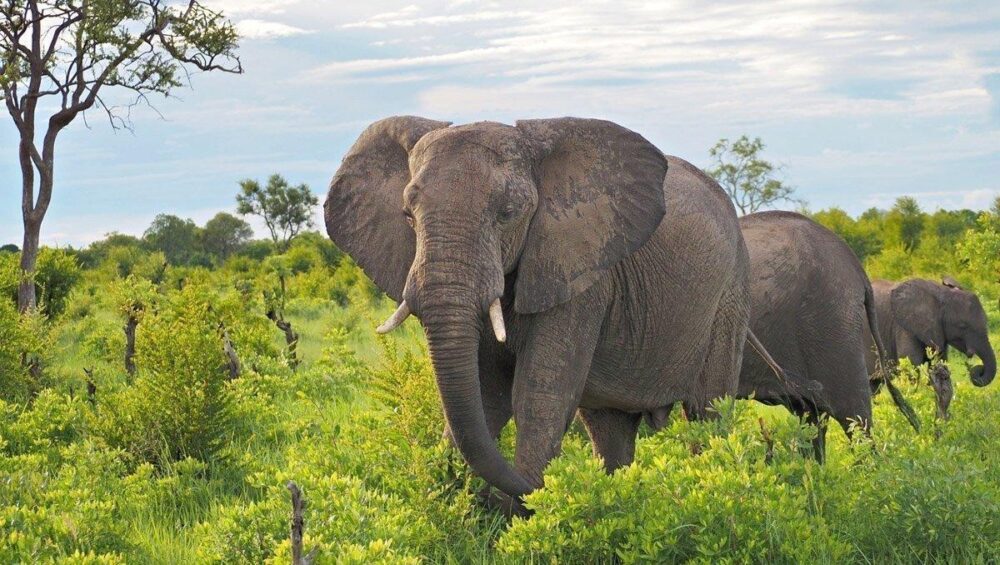
Elephants can often be seen moving through the savannah and woodland.
Giraffes are another common sight.
They can be seen feeding from trees or moving across the open plains.
Zebras and wildebeests are also found in the park.
Buffaloes can sometimes be seen in large groups.
Hippos live around suitable water sources.
The park is also home to lions.
Seeing lions is one of the most exciting experiences for many safari visitors.
Other animals include antelopes, monkeys, baboons, crocodiles, and many smaller species.
Wildlife sightings are never guaranteed.
Animals move freely through the park.
The season, weather, time of day, and location can all affect what you see.
Mikumi Is Known for Its Giraffes
Giraffes are one of the animals that visitors often hope to see in Mikumi.
Their long necks make them easy to recognize across the open landscape.
They can often be seen browsing on vegetation.
Watching a giraffe move across the savannah can be a memorable safari experience.
They also contribute to the character of Mikumi’s landscape.
A giraffe standing against the background of the floodplain and mountains can create an excellent wildlife photograph.
Mikumi Is Home to Lions
Mikumi is also home to lions.
These powerful predators are among the most exciting animals to look for during a game drive.
Lions can rest during the hotter parts of the day.
They may also become more active during cooler periods.
Your safari guide will look for signs of their presence.
This can include tracks, calls, and recent animal activity.
However, seeing lions is never guaranteed.
Wildlife is unpredictable.
That is part of what makes a safari exciting.
Mikumi Has More Than 400 Bird Species
Mikumi is not only about large mammals.
The park is also an excellent destination for birdwatching.
More than 400 bird species have been recorded in the park.
The variety of habitats provides suitable environments for different birds.
You may see birds around wetlands, grasslands, woodland, and water sources.
Some visitors come specifically for wildlife photography.
Others enjoy birdwatching as an additional activity during their game drives.
If you are interested in birds, tell your guide before starting your safari.
This allows the guide to pay more attention to bird species during the drive.
Mikumi Has Beautiful Savannah Landscapes
Wildlife is not the only reason to visit Mikumi.
The scenery is also impressive.
The park contains wide grasslands, woodland, seasonal water sources, and distant mountains.
The Mkata Floodplain is particularly scenic.
The combination of open plains and surrounding hills creates classic African safari scenery.
The landscape changes throughout the year.
During greener periods, the park can look lush and vibrant.
During the drier months, the vegetation becomes more golden and open.
Both seasons have their own appeal.
Mikumi Is Part of the Southern Tanzania Safari Circuit
Mikumi is an important destination in southern Tanzania.
It can be combined with several other attractions.
Nyerere National Park is one possible addition.
Udzungwa Mountains National Park is another.
Ruaha National Park can also be included in a longer southern Tanzania safari.
Combining several destinations allows travelers to experience different landscapes and wildlife environments.
A longer southern circuit is especially suitable for travelers who have more than a few days available.
Mikumi Is Excellent for Short Safaris
Another interesting fact about Mikumi is how suitable it is for short safari trips.
Not every traveler has a week available for wildlife tourism.
Some visitors only have one or two days.
Mikumi can fit into this type of itinerary.
A one-day safari can provide a quick introduction to the park.
A two-day safari gives you more time for wildlife viewing.
A three-day safari provides a more relaxed experience.
This flexibility makes Mikumi suitable for different types of travelers.
Mikumi Offers More Than Wildlife Viewing
A safari in Mikumi is mainly focused on game drives.
However, the overall experience is about more than simply seeing animals.
You can enjoy the landscape, observe birds, take photographs, and learn about the local environment.
Depending on your itinerary and available activities, you may also have opportunities to experience cultural attractions around the park.
The experience can be tailored to your interests.
This is particularly useful for private safari travelers.
Mikumi Is a Good Destination for Wildlife Photography
Mikumi’s open landscapes are attractive to photographers.
The Mkata Floodplain provides wide views.
Animals can sometimes be seen against open backgrounds.
The changing light during morning and afternoon game drives can also create beautiful photographic conditions.
You do not need professional equipment to enjoy wildlife photography.
Even a smartphone can capture memorable moments.
However, a camera with a good zoom lens is useful for distant wildlife.
Always follow your guide’s instructions when photographing animals.
Mikumi Can Be Combined With a Zanzibar Beach Holiday
A safari and beach holiday is one of the most appealing combinations in Tanzania.
You can begin your trip in Zanzibar.
Spend several days enjoying the beaches, culture, and ocean activities.
Then travel to mainland Tanzania.
From there, continue to Mikumi National Park for a wildlife experience.
After the safari, you can return to Zanzibar or continue exploring mainland Tanzania.
This combination allows travelers to experience two very different sides of Tanzania.
Mikumi Is a Good Choice for First-Time Safari Travelers
Mikumi can be a good introduction to the African safari experience.
The park is accessible.
It has diverse wildlife.
Its open landscapes can provide good opportunities for game viewing.
It can also be visited on a short itinerary.
First-time safari travelers can therefore experience Tanzania without committing to a very long safari.
A professional guide can also explain animal behavior and help visitors understand the ecosystem.
When Is the Best Time to Visit Mikumi?
Mikumi can be visited throughout the year.
The dry season is popular for wildlife viewing.
During drier periods, vegetation may be less dense.
Animals may also spend more time around water sources.
The green season offers a different experience.
The landscape becomes greener.
Birdlife can be particularly interesting during this period.
The best time depends on your personal priorities.
Some travelers prefer easier wildlife viewing.
Others prefer green landscapes and fewer visitors.
Why Is Mikumi National Park Worth Visiting?
Mikumi is worth visiting because it combines accessibility with a genuine wildlife experience.
You do not need to travel to the far north of Tanzania to experience a safari.
The park offers elephants, giraffes, zebras, buffaloes, lions, hippos, birds, and many other species.
Its landscapes are beautiful.
Its location also makes it easy to combine with Zanzibar and other southern Tanzania destinations.
For travelers with limited time, Mikumi can provide an excellent introduction to Tanzania’s wildlife.
Frequently Asked Questions About Mikumi National Park
What is Mikumi National Park famous for?
Mikumi is famous for its open savannah landscapes, Mkata Floodplain, diverse wildlife, and accessibility from Dar es Salaam.
When was Mikumi National Park established?
Mikumi National Park was established in 1964.
How big is Mikumi National Park?
Mikumi covers approximately 3,230 square kilometers.
What animals can you see in Mikumi?
Visitors may see elephants, lions, giraffes, zebras, buffaloes, wildebeests, hippos, antelopes, monkeys, and many other species.
Can you visit Mikumi from Zanzibar?
Yes. Mikumi can be included in a safari from Zanzibar by traveling to mainland Tanzania and continuing toward the park.
How many days do you need in Mikumi?
Two to three days is a good duration for most visitors. A one-day safari is possible for travelers with limited time.
Final Thoughts
Mikumi National Park is more than just a convenient safari destination.
It has a fascinating landscape, diverse wildlife, rich birdlife, and an important place in southern Tanzania’s conservation network.
The Mkata Floodplain is one of its most recognizable features.
The park is also easy to combine with other destinations.
You can visit Mikumi from Dar es Salaam or add a safari to your Zanzibar holiday.
Whether you have one day or several days, Mikumi offers an opportunity to experience Tanzania’s wildlife in a beautiful natural environment.
Mikumi National Park is located in southern Tanzania. It is one of the country’s most accessible safari destinations.
The park is found along the main road between Dar es Salaam and Iringa. It is also part of the larger southern Tanzania safari circuit.
Mikumi covers a large area of savannah, woodland, wetlands, and mountains. The famous Mkata Floodplain is one of the best areas for wildlife viewing.
Where Is Mikumi National Park in Tanzania?
Mikumi National Park is in the Morogoro Region of Tanzania. It lies west of Dar es Salaam.
The park is located near the town of Mikumi. The town is an important stopping point for travelers heading toward southern Tanzania.
Its location makes Mikumi easier to reach than many other safari destinations in Tanzania.
This is one reason Mikumi is popular with travelers who have limited time.
How Far Is Mikumi National Park From Dar es Salaam?
Mikumi National Park is about 300 kilometers from Dar es Salaam by road.
The journey usually takes several hours. Travel time depends on traffic, road conditions, and where you enter the park.
The road from Dar es Salaam is one of the main routes used by safari travelers.
This makes Mikumi a convenient option for a short safari from the city.
You can leave Dar es Salaam early in the morning and reach the Mikumi area later in the day.
How Far Is Mikumi National Park From Zanzibar?
Mikumi National Park is not located on Zanzibar Island. You must travel from Zanzibar to mainland Tanzania first.
The most common route starts with a ferry or flight from Zanzibar to Dar es Salaam.
From Dar es Salaam, you continue by road toward Mikumi National Park.
The total journey takes longer than traveling from Dar es Salaam alone. This is why many visitors from Zanzibar choose a two-day or three-day safari.
A longer safari gives you more time for wildlife viewing. It also makes the journey more comfortable.
Where Is Mikumi on the Tanzania Map?
Mikumi is located in southern Tanzania. It sits along an important transport route connecting the coast with the southern and central parts of the country.
The park is surrounded by important landscapes and protected areas.
Its location also makes it a useful starting point for exploring other southern Tanzania destinations.
Mikumi can be combined with places such as Nyerere National Park, Udzungwa Mountains National Park, and Ruaha National Park.
What Is Mikumi National Park Near?
Mikumi is close to several important destinations.
The town of Morogoro is located to the northeast of the park. Morogoro is known for the Uluguru Mountains and is an important stop for travelers in the region.
Nyerere National Park lies to the southeast. It is one of the major wildlife destinations in southern Tanzania.
Udzungwa Mountains National Park is further southwest. It is known for its mountains, forests, waterfalls, hiking, and unique wildlife.
Ruaha National Park is further west. It is a popular destination for travelers looking for a longer southern Tanzania safari.
This location makes Mikumi a good destination for travelers who want to combine several parks in one trip.
What Is Mikumi National Park Known For?
Mikumi National Park is known for its open savannah landscapes and diverse wildlife.
The Mkata Floodplain is one of the most important wildlife areas in the park.
The landscape is relatively open. This can make it easier to spot animals during game drives.
Visitors may see elephants, lions, giraffes, zebras, buffaloes, wildebeests, hippos, and many other species.
The park is also home to many bird species.
Wildlife sightings can change from one season to another. Animals also move around the park.
A skilled safari guide can help you find the best areas to explore during your visit.
Can You Visit Mikumi National Park From Zanzibar?
Yes. Mikumi National Park can be visited from Zanzibar.
This makes Mikumi an attractive option for travelers who want to combine a Zanzibar beach holiday with a mainland safari.
You can travel from Zanzibar to Dar es Salaam and continue to Mikumi by road.
Another option is to arrange a flight connection when available.
The best choice depends on your budget, schedule, and preferred travel style.
For many travelers, a two-day Mikumi safari from Zanzibar offers a good balance.
A three-day safari is better if you want more time for game drives and a slower travel experience.
How Do You Get to Mikumi National Park?
The most common way to reach Mikumi is by road.
From Dar es Salaam, you travel west toward Morogoro and then continue toward Mikumi.
The journey allows you to see parts of mainland Tanzania along the way.
You can also reach the region by air. Flights may be available depending on the season and flight schedule.
Travelers from Zanzibar can first reach Dar es Salaam. They can then continue to Mikumi by road.
A professional safari operator can organize the transfers and game drives as part of a complete safari package.
Is Mikumi National Park Easy to Reach?
Mikumi is considered one of the easier Tanzania safari parks to access from the coast.
Its location near Dar es Salaam is a major advantage.
You do not need to spend several days traveling to reach the park.
This makes Mikumi suitable for short safari holidays.
It is also a good option for travelers who have limited time in Tanzania.
Visitors staying in Zanzibar can add Mikumi to their holiday without spending an entire week on safari.
What Wildlife Can You See in Mikumi?
Mikumi has a wide range of wildlife.
Elephants are among the animals commonly associated with the park. They can sometimes be seen moving across the open plains.
Giraffes are also a common sight. They are often seen feeding from trees and moving through the savannah.
Zebras and wildebeests can be found in open grassland areas.
Buffaloes may be seen in herds. Hippos can be found around suitable water sources.
Mikumi is also home to lions. Seeing a lion is one of the highlights of many safari trips.
Other animals include antelopes, monkeys, baboons, crocodiles, and many smaller species.
Birdwatchers can also enjoy the park. Mikumi supports a variety of resident and migratory birds.
Is Mikumi National Park Worth Visiting?
Yes. Mikumi is worth visiting, especially if you want a safari that is easier to access from Dar es Salaam or Zanzibar.
The park offers a genuine wildlife experience.
It also requires less travel time than some of Tanzania’s more distant safari destinations.
Mikumi is especially attractive for short trips.
It can work well for couples, families, first-time safari travelers, and visitors combining wildlife with a Zanzibar beach holiday.
How Many Days Do You Need in Mikumi?
The ideal length depends on your travel plans.
A one-day safari can work if you have very limited time.
A two-day safari gives you more time for game drives and allows you to spend a night near the park.
Three days is a good option if you prefer a slower pace.
Travelers with more time can combine Mikumi with other southern Tanzania parks.
For visitors traveling from Zanzibar, two or three days is usually a better choice than a rushed day trip.
Best Time to Visit Mikumi National Park
Mikumi can be visited throughout the year.
The dry season is popular with many safari travelers. Vegetation is generally less dense during this period.
Animals may also gather around water sources.
The green season offers a different experience.
The landscape becomes greener and more scenic. Birdwatching can also be rewarding during this period.
Your choice depends on what you want from your safari.
Frequently Asked Questions About Mikumi’s Location
Where exactly is Mikumi National Park?
Mikumi National Park is located in the Morogoro Region of southern Tanzania. It lies west of Dar es Salaam.
Is Mikumi near Dar es Salaam?
Yes. Mikumi is about 300 kilometers from Dar es Salaam by road.
How far is Mikumi from Zanzibar?
Mikumi is on mainland Tanzania. Travelers from Zanzibar must first cross to Dar es Salaam or use an appropriate flight connection before continuing to Mikumi.
Can you travel from Zanzibar to Mikumi?
Yes. Mikumi can be visited from Zanzibar. The journey can be arranged by combining sea or air travel with road transport.
Is Mikumi close to Nyerere National Park?
Mikumi and Nyerere are both part of southern Tanzania’s safari region. They can be combined in a longer safari itinerary.
Is Mikumi National Park worth visiting?
Yes. Mikumi is a strong choice for travelers looking for an accessible Tanzania safari with diverse wildlife and beautiful savannah scenery.
Final Thoughts
Mikumi National Park is located in southern Tanzania, in the Morogoro Region.
Its location makes it one of the most convenient safari destinations for travelers coming from Dar es Salaam.
It is also accessible from Zanzibar through mainland Tanzania.
The park offers open savannah landscapes, rich wildlife, and excellent opportunities for game drives.
If you are staying in Zanzibar and want to experience a Tanzania safari without traveling to the far north, Mikumi is an excellent option.
A two-day or three-day safari gives you enough time to enjoy the park without rushing.
Mikumi is more than just a convenient safari destination. It is a place where you can experience Tanzania’s wildlife and landscapes while exploring the southern safari circuit.
Planning a safari to Mikumi National Park and wondering how many days you need? For most travelers, 2 to 3 days is the ideal length for a Mikumi safari. This gives you enough time to enjoy several game drives, explore different areas of the park, and experience Tanzania’s wildlife without rushing.
However, the best safari duration depends on where you are traveling from, your budget, your interests, and how much time you have available. A 1-day Mikumi safari can be a good option for travelers with limited time, while a 3-day or longer safari is better for visitors who want a more relaxed experience.
Mikumi is one of Tanzania’s most accessible safari destinations, particularly for travelers coming from Dar es Salaam and Zanzibar. Its open plains, wildlife-rich landscapes, and proximity to major travel hubs make it an attractive choice for both short safari trips and longer southern Tanzania adventures.
In this guide, we explain exactly how many days you should spend in Mikumi National Park and what you can expect from a 1-day, 2-day, or 3-day safari.
How Many Days Do You Need in Mikumi National Park?
For most visitors, 2 or 3 days is the recommended amount of time for Mikumi National Park.
A 1-day safari allows you to experience the park and enjoy a game drive, but the schedule can be tight, especially if you are traveling from Zanzibar. A 2-day safari provides a much better balance between travel and wildlife viewing, while 3 days allows you to enjoy the park at a more relaxed pace.
Here is a simple comparison:
Safari Duration
Best For
Experience
1 Day
Travelers with limited time
Quick wildlife experience
2 Days
First-time visitors
Best overall balance
3 Days
Relaxed safari travelers
More game-drive opportunities
4–5 Days
Safari enthusiasts
Extended southern Tanzania experience
If you are visiting Mikumi for the first time, 2 days and 1 night is an excellent starting point.
Is One Day Enough for Mikumi National Park?
Yes, you can visit Mikumi National Park in one day, but you should understand that it will be a fast-paced safari.
A 1-day Mikumi safari is particularly attractive to travelers who have limited time in Tanzania. It can also work well for visitors staying in Dar es Salaam or travelers visiting Zanzibar who want to add a safari experience to their beach holiday.
During a one-day safari, the main focus is usually on the game drive. Depending on your starting point, you may travel early in the morning, enter the park, spend several hours exploring the wildlife areas, and then begin your return journey.
One day can be enough to see some of Mikumi’s famous wildlife, including elephants, giraffes, zebras, buffaloes, wildebeests, hippos, and potentially lions.
However, wildlife sightings are never guaranteed. Animals move freely throughout the park, and spending more time in the area generally gives you more opportunities to explore different habitats and encounter different species.
Who Should Choose a 1-Day Mikumi Safari?
A 1-day safari is suitable for:
Travelers with a very limited schedule
Visitors staying in Dar es Salaam
Zanzibar travelers looking for a short mainland safari
First-time safari visitors who want a quick introduction
Budget-conscious travelers
Travelers combining a safari with a beach holiday
If your priority is simply experiencing a Tanzanian safari rather than spending several days in the bush, one day can be worthwhile.
However, if you have enough time, staying overnight is usually a better option.
How Many Days Is Best for a Mikumi Safari?
For most travelers, 2 days and 1 night is the best Mikumi safari duration.
Two days give you considerably more time than a day trip without requiring a long commitment. You can enjoy game drives on different parts of your trip, spend a night close to the park, and experience the destination without constantly watching the clock.
A typical 2-day Mikumi safari may look like this:
Day 1: Travel and Game Drive
Your safari begins with travel toward Mikumi National Park. After arriving and completing the necessary arrangements, you can begin your game drive.
The afternoon can be spent exploring Mikumi’s plains and wildlife areas. Depending on the season and conditions, you may encounter elephants, giraffes, zebras, buffaloes, wildebeests, impalas, hippos, and other wildlife.
After the game drive, you spend the night at your selected accommodation near the park.
Day 2: Morning Game Drive and Departure
The second day gives you another opportunity to explore Mikumi, often beginning with a morning game drive.
Early hours can be particularly rewarding because many animals are active before the heat of the day becomes intense.
After your morning experience, you can have breakfast or continue with your planned journey before departing Mikumi.
A 2-day safari is ideal for travelers who want a genuine safari experience while keeping the trip relatively short.
Is 3 Days Enough in Mikumi National Park?
Yes. Three days is an excellent duration for travelers who want a more relaxed Mikumi safari.
With three days, you have more flexibility to spend time in different areas, enjoy multiple game drives, and avoid making the safari feel like a rushed excursion.
A possible 3-day itinerary could look like this:
Day 1: Arrival and Afternoon Game Drive
Travel to Mikumi National Park and settle into your accommodation. Depending on your arrival time, you can enjoy an afternoon game drive.
This gives you your first opportunity to explore the park and begin looking for wildlife.
Day 2: Full-Day Mikumi Safari
Day two can be dedicated primarily to wildlife viewing.
With a full day available, your safari guide can spend more time exploring different areas instead of having to return quickly because of a tight schedule.
You may encounter large herbivores such as elephants, buffaloes, zebras, giraffes, and wildebeests, as well as predators such as lions.
You can also spend time observing birds, landscapes, and smaller animals that are easy to miss during a rushed game drive.
Day 3: Morning Safari and Departure
Enjoy another morning game drive before beginning your journey onward.
This extra morning gives you another opportunity to search for wildlife and enjoy Mikumi’s scenery before leaving the park.
For couples, families, photographers, and travelers who simply prefer a slower pace, 3 days can be better than trying to fit the entire experience into one day.
How Many Days Should You Stay in Mikumi From Zanzibar?
If you are traveling from Zanzibar, the ideal duration depends on how much time you have available.
A 1-day Mikumi safari from Zanzibar can be suitable for travelers who want to experience a safari during a short Zanzibar holiday. However, the day can be long because of the travel involved.
A 2-day Mikumi safari from Zanzibar is generally a better choice. You can travel to the mainland, enjoy a game drive, stay overnight, and have additional time for wildlife viewing before returning to Zanzibar.
If you have more time, a 3-day Mikumi safari from Zanzibar gives you a more relaxed experience.
For travelers combining a Zanzibar beach holiday with a Tanzania safari, 2–3 days in Mikumi can provide a good balance between wildlife and beach time.
How Many Days Should You Stay in Mikumi From Dar es Salaam?
Mikumi is also a popular safari destination for travelers starting from Dar es Salaam.
Because of its relative accessibility from the city, travelers with limited time can consider a 1-day Mikumi safari from Dar es Salaam.
However, a 2-day safari provides a more comfortable experience. You have more time for game drives and do not need to fit the entire safari experience into a single day.
Travelers with three days can enjoy a slower itinerary and potentially combine Mikumi with another destination in southern Tanzania.
What Can You See During a Mikumi Safari?
The amount of wildlife you see depends on the season, location, weather, time of day, and simply the unpredictable nature of wildlife.
Mikumi is known for its diverse wildlife, and some of the animals you may encounter include:
Elephants
Elephants are among the most impressive animals to encounter in Mikumi. Seeing a herd moving across the open landscape can be one of the highlights of a safari.
Giraffes
Giraffes are commonly associated with Tanzania’s savannah landscapes, and Mikumi offers opportunities to see them feeding and moving through the park.
Zebras and Wildebeests
Zebras and wildebeests can often be seen across open grassland areas, sometimes alongside other grazing animals.
Buffaloes
African buffaloes are another major species you may encounter during a game drive. They can sometimes be seen in herds across the park.
Lions
Mikumi is home to lions, although sightings are never guaranteed. Spending multiple days in the park gives your guide more opportunities to search for predators.
Hippos and Other Wildlife
Hippos can be found around suitable water sources, while crocodiles may also be seen in some areas.
You may also encounter antelopes, monkeys, baboons, birds, reptiles, and numerous smaller species.
What Is the Best Time to Visit Mikumi National Park?
The best time to visit Mikumi depends on what you want to experience.
The dry season is often considered favorable for wildlife viewing because vegetation can be less dense and animals may gather around available water sources.
The green season offers a different experience. The landscape becomes lush, there can be fewer visitors, and birdwatching can be particularly rewarding.
For travelers who only have one day, timing can be especially important. Starting early can help you take advantage of cooler hours when wildlife is often active.
If you have 2 or 3 days, you have greater flexibility and more opportunities to experience different conditions.
How to Make the Most of Your Time in Mikumi
Regardless of whether you stay for one, two, or three days, a few decisions can make your safari more enjoyable.
Start Early
Early morning game drives can be rewarding because temperatures are generally cooler and many animals are active.
Spend at Least One Night if Possible
If your schedule allows, staying overnight gives you more time in the destination and reduces the feeling of rushing through the safari.
Choose an Experienced Guide
A knowledgeable safari guide can make a significant difference. Guides understand animal behavior, know the park’s roads and habitats, and can help you make better use of your available time.
Don’t Try to See Everything
A safari is not about checking every animal off a list. Take time to enjoy the landscape, watch animal behavior, photograph the scenery, and appreciate the experience.
1 Day vs 2 Days vs 3 Days in Mikumi
So, which duration should you choose?
Choose 1 day if you have very limited time and mainly want a quick introduction to Mikumi National Park.
Choose 2 days if you want the best balance between travel, game drives, accommodation, and cost. This is our recommended option for many first-time visitors.
Choose 3 days if you want a more relaxed experience with additional opportunities for wildlife viewing and photography.
If you have 4 or 5 days available, you can consider expanding your itinerary beyond Mikumi and exploring more of southern Tanzania.
Frequently Asked Questions About Mikumi Safari Duration
Can You Visit Mikumi National Park in One Day?
Yes. A one-day safari is possible and can be a good option for travelers with limited time. However, the itinerary can be long, especially when traveling from Zanzibar.
Is 2 Days Enough for Mikumi National Park?
Yes. Two days and one night is enough for a rewarding introduction to Mikumi National Park and gives you more time than a day trip.
Is 3 Days Too Long for Mikumi National Park?
No. Three days can be ideal for travelers who prefer a slower pace and want additional game-drive opportunities.
How Many Days Do You Need in Mikumi From Zanzibar?
For most travelers from Zanzibar, 2 days and 1 night is a strong option. A 3-day trip is better if you want a more relaxed safari.
How Many Days Do You Need in Mikumi From Dar es Salaam?
A day trip can work from Dar es Salaam, but 2 days gives you a more comfortable safari experience with additional time for wildlife viewing.
Can You See Lions in Mikumi National Park?
Yes, lions live in Mikumi National Park. However, wildlife sightings are unpredictable, so there is no guarantee that you will see them during a particular safari.
What Is the Best Length for a First Mikumi Safari?
For a first visit, 2–3 days is recommended. Two days is ideal for a short and balanced safari, while three days allows you to explore at a more relaxed pace.
Final Verdict: How Many Days Do You Need in Mikumi National Park?
So, how many days do you really need in Mikumi National Park?
For most travelers, 2 to 3 days is the ideal safari duration.
A 1-day Mikumi safari is suitable when time is limited, especially for travelers visiting from Zanzibar or Dar es Salaam. A 2-day safari offers the best balance of time, wildlife viewing, comfort, and cost. A 3-day safari is the better choice for travelers who want a relaxed experience and more opportunities to explore.
If you are traveling from Zanzibar, consider spending at least one night near Mikumi rather than trying to rush through the park in a single day. And if you have additional time, you can extend your southern Tanzania adventure by combining Mikumi with other destinations.
Ready to experience Mikumi National Park? Choose the safari duration that fits your schedule and let your journey into Tanzania’s wildlife country begin.
Mikumi National Park is one of Tanzania’s most accessible and rewarding safari destinations. Located in the southern safari circuit, the park is famous for its vast open plains, abundant wildlife, and convenient location just a few hours’ drive from Dar es Salaam. Covering approximately 3,230 square kilometers (1,247 square miles), Mikumi offers visitors an authentic African safari experience without the crowds often found in the country’s more famous northern parks.
Whether you’re planning a day trip, a weekend getaway, or a multi-day wildlife adventure, Mikumi National Park provides excellent opportunities to see elephants, lions, giraffes, zebras, buffaloes, wildebeests, hippos, crocodiles, and more than 400 bird species. The park’s open landscape, often compared to the Serengeti, makes wildlife viewing easier than in many other parks because animals can be spotted from long distances.
This comprehensive guide covers everything you need to know about visiting Mikumi National Park, including the best time to visit, safari options, wildlife, accommodation, entrance fees, transportation, and practical travel tips. Whether you’re traveling from Zanzibar, Dar es Salaam, or elsewhere in Tanzania, you’ll find all the information needed to plan an unforgettable safari.
Why Mikumi National Park Is One of Tanzania’s Best Safari Destinations
Mikumi National Park has become one of Tanzania’s fastest-growing safari destinations because it combines incredible wildlife with exceptional accessibility. Unlike remote parks that require expensive domestic flights, Mikumi can be reached by road from Dar es Salaam in about five to six hours, making it one of the easiest national parks to visit in the country.
The park is home to the famous Mkata Floodplain, where large herds of zebras, buffaloes, wildebeests, and impalas graze alongside giraffes and elephants. Predators such as lions, leopards, hyenas, and African wild dogs also inhabit the park, offering visitors the chance to witness exciting wildlife interactions during game drives.
Another major advantage is affordability. Travelers can experience a genuine Tanzanian safari at a lower cost than destinations like the Serengeti or the Ngorongoro Conservation Area. This makes Mikumi an excellent choice for families, couples, solo travelers, photographers, and budget-conscious adventurers seeking outstanding value. Its growing popularity among visitors from Zanzibar has also made Mikumi one of the top choices for short safari extensions after a beach holiday.
What Makes Mikumi Different from Other National Parks
While Tanzania is home to many spectacular national parks, Mikumi offers several unique advantages that distinguish it from the rest.
The park’s landscape is dominated by wide, open grasslands, allowing visitors to spot wildlife with remarkable ease. Unlike parks with dense vegetation where animals can remain hidden, Mikumi’s visibility significantly improves the chances of seeing a variety of species during a single game drive.
Mikumi is also part of the greater Selous ecosystem, bordering Nyerere National Park to the south. This connection supports healthy wildlife populations and creates a diverse natural environment where animals roam freely across protected areas.
Another distinguishing feature is the relaxed safari experience. Visitor numbers remain relatively low compared to Tanzania’s most famous parks, allowing guests to enjoy peaceful game drives without large crowds or traffic around wildlife sightings. The park is also ideal for travelers with limited time because its excellent road access and nearby airstrip make it possible to enjoy a memorable safari in just one or two days.
Who This Guide Is For
This guide is written for anyone planning a safari to Mikumi National Park, whether you are visiting Tanzania for the first time or returning to discover more of its remarkable wildlife. It is especially valuable for travelers looking for a Mikumi National Park safari, visitors planning a safari from Zanzibar or Dar es Salaam, families seeking an affordable wildlife adventure, couples looking for a romantic escape, photographers searching for outstanding game-viewing opportunities, and international tourists researching accommodation, transportation, park fees, and travel tips.
By the end of this guide, you’ll have everything you need to confidently plan your visit, choose the right safari package, decide when to travel, understand what wildlife to expect, and make the most of your experience in one of Tanzania’s most rewarding national parks.
Where Is Mikumi National Park?
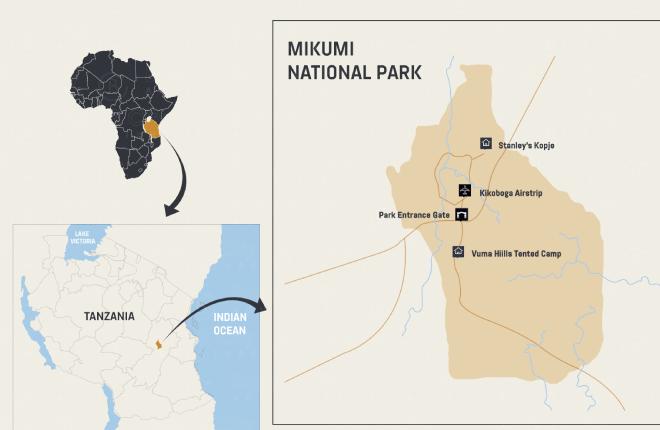
Mikumi National Park is located in eastern Tanzania within the Morogoro Region, making it one of the country’s most accessible wildlife destinations. Positioned along the A-7 highway that connects Dar es Salaam with Zambia, the park serves as the gateway to Tanzania’s Southern Safari Circuit. Its strategic location allows visitors to enjoy an authentic safari without traveling to the more distant northern parks. Surrounded by scenic mountains, rivers, and open savannahs, Mikumi offers a convenient escape into nature while remaining well connected to major cities and tourist hubs.
Location Within Tanzania
Mikumi National Park lies approximately 283 kilometers (176 miles) west of Dar es Salaam and covers an area of about 3,230 square kilometers (1,247 square miles). The park sits between the Uluguru Mountains to the northeast and the Lumango Mountains to the southwest, creating a diverse landscape of floodplains, acacia woodlands, baobab trees, and rolling hills. It forms part of the larger Selous ecosystem, which supports one of East Africa’s richest concentrations of wildlife. Because of its central location in southern Tanzania, Mikumi is an ideal starting point for exploring other protected areas in the region.
Distance from Dar es Salaam
Dar es Salaam is the main gateway to Mikumi National Park for both international and domestic travelers. The journey by road covers approximately 283 kilometers and usually takes between five and six hours, depending on traffic and road conditions. The route follows the well-maintained A-7 highway through Morogoro, offering scenic views of villages, mountains, and rural Tanzania along the way.
For travelers who prefer to save time, charter and scheduled flights are available from Dar es Salaam to Mikumi Airstrip, reducing travel time to around one hour. This option is especially popular among visitors with limited time who want to maximize their safari experience.
Distance from Zanzibar
Mikumi National Park has become one of the most popular safari destinations for travelers staying in Zanzibar. Although the island is separated from mainland Tanzania by the Indian Ocean, reaching the park is straightforward through a short domestic flight to Mikumi Airstrip or by flying to Dar es Salaam and continuing by road.
Direct safari packages from Zanzibar typically allow visitors to leave the island early in the morning, enjoy a full-day game drive in Mikumi, and return the same day or continue with an overnight stay. This convenience makes Mikumi one of the best safari destinations to combine with a Zanzibar beach holiday.
Map and Accessibility
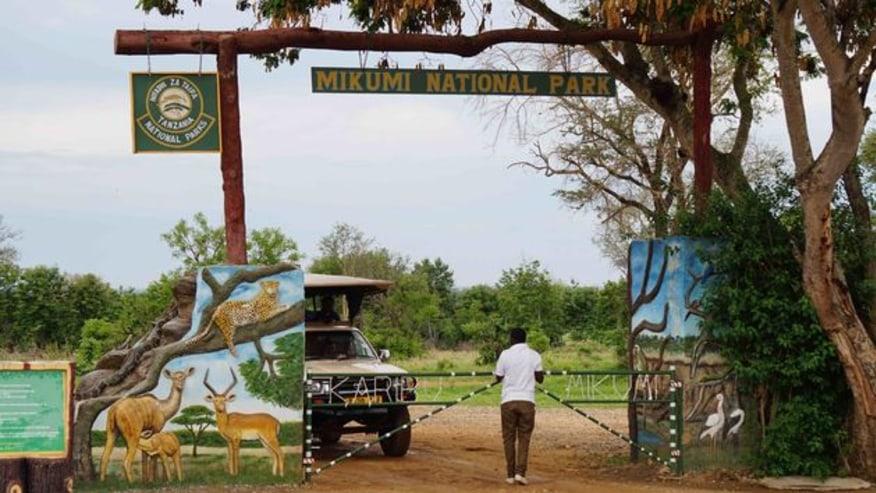
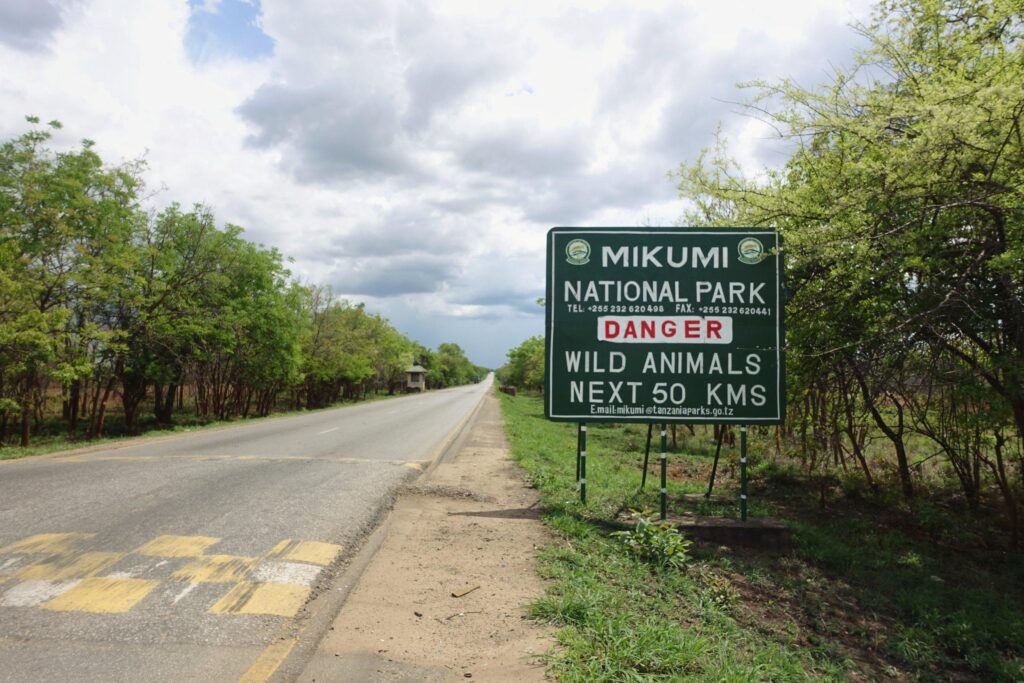
Mikumi National Park is easily accessible by both road and air, making it one of Tanzania’s most convenient national parks to visit. The main entrance is located directly along the A-7 highway, eliminating the need for long drives on rough roads that are common in more remote safari destinations.
The park’s excellent transport connections make it suitable for self-drive travelers, guided safari tours, private transfers, and fly-in safaris. Once inside the park, an extensive network of game-viewing tracks provides easy access to major wildlife areas, including the famous Mkata Floodplain, hippo pools, and surrounding woodland habitats.
Nearby National Parks
Mikumi National Park is ideally located for travelers wishing to explore more of Tanzania’s Southern Safari Circuit. The closest major protected area is Nyerere National Park, formerly part of the Selous Game Reserve, which lies to the south and shares an important wildlife ecosystem with Mikumi. Together, these parks support large populations of elephants, lions, buffaloes, wild dogs, and countless other species.
Farther southwest is Ruaha National Park, Tanzania’s largest national park, renowned for its dramatic landscapes and exceptional predator sightings. To the east, the Udzungwa Mountains National Park offers a completely different experience with tropical forests, waterfalls, endemic primates, and spectacular hiking trails. Combining Mikumi with these nearby parks allows visitors to experience the incredible diversity of southern Tanzania, from classic savannah safaris to mountain adventures and rainforest exploration.
Where Is Mikumi National Park?
Mikumi National Park is located in eastern Tanzania within the Morogoro Region, making it one of the country’s most accessible wildlife destinations. Positioned along the A-7 highway that connects Dar es Salaam with Zambia, the park serves as the gateway to Tanzania’s Southern Safari Circuit. Its strategic location allows visitors to enjoy an authentic safari without traveling to the more distant northern parks. Surrounded by scenic mountains, rivers, and open savannahs, Mikumi offers a convenient escape into nature while remaining well connected to major cities and tourist hubs.
Location Within Tanzania
Mikumi National Park lies approximately 283 kilometers (176 miles) west of Dar es Salaam and covers an area of about 3,230 square kilometers (1,247 square miles). The park sits between the Uluguru Mountains to the northeast and the Lumango Mountains to the southwest, creating a diverse landscape of floodplains, acacia woodlands, baobab trees, and rolling hills. It forms part of the larger Selous ecosystem, which supports one of East Africa’s richest concentrations of wildlife. Because of its central location in southern Tanzania, Mikumi is an ideal starting point for exploring other protected areas in the region.
Distance from Dar es Salaam
Dar es Salaam is the main gateway to Mikumi National Park for both international and domestic travelers. The journey by road covers approximately 283 kilometers and usually takes between five and six hours, depending on traffic and road conditions. The route follows the well-maintained A-7 highway through Morogoro, offering scenic views of villages, mountains, and rural Tanzania along the way.
For travelers who prefer to save time, charter and scheduled flights are available from Dar es Salaam to Mikumi Airstrip, reducing travel time to around one hour. This option is especially popular among visitors with limited time who want to maximize their safari experience.
Distance from Zanzibar
Mikumi National Park has become one of the most popular safari destinations for travelers staying in Zanzibar. Although the island is separated from mainland Tanzania by the Indian Ocean, reaching the park is straightforward through a short domestic flight to Mikumi Airstrip or by flying to Dar es Salaam and continuing by road.
Direct safari packages from Zanzibar typically allow visitors to leave the island early in the morning, enjoy a full-day game drive in Mikumi, and return the same day or continue with an overnight stay. This convenience makes Mikumi one of the best safari destinations to combine with a Zanzibar beach holiday.
Map and Accessibility
Mikumi National Park is easily accessible by both road and air, making it one of Tanzania’s most convenient national parks to visit. The main entrance is located directly along the A-7 highway, eliminating the need for long drives on rough roads that are common in more remote safari destinations.
The park’s excellent transport connections make it suitable for self-drive travelers, guided safari tours, private transfers, and fly-in safaris. Once inside the park, an extensive network of game-viewing tracks provides easy access to major wildlife areas, including the famous Mkata Floodplain, hippo pools, and surrounding woodland habitats.
Nearby National Parks
Mikumi National Park is ideally located for travelers wishing to explore more of Tanzania’s Southern Safari Circuit. The closest major protected area is Nyerere National Park, formerly part of the Selous Game Reserve, which lies to the south and shares an important wildlife ecosystem with Mikumi. Together, these parks support large populations of elephants, lions, buffaloes, wild dogs, and countless other species.
Farther southwest is Ruaha National Park, Tanzania’s largest national park, renowned for its dramatic landscapes and exceptional predator sightings. To the east, the Udzungwa Mountains National Park offers a completely different experience with tropical forests, waterfalls, endemic primates, and spectacular hiking trails. Combining Mikumi with these nearby parks allows visitors to experience the incredible diversity of southern Tanzania, from classic savannah safaris to mountain adventures and rainforest exploration.
History of Mikumi National Park
Mikumi National Park has played an important role in Tanzania’s conservation efforts for more than half a century. Known today as one of the country’s most accessible safari destinations, the park was created to protect its rich wildlife, diverse habitats, and the important migration routes that connect southern Tanzania’s protected areas. Over the years, Mikumi has grown from a relatively little-known reserve into one of Tanzania’s most popular national parks, attracting visitors from around the world while supporting wildlife conservation and sustainable tourism.
Establishment of the Park
Mikumi National Park was officially established in 1964, making it one of Tanzania’s oldest national parks. Covering approximately 3,230 square kilometers (1,247 square miles), the park was created to safeguard the abundant wildlife and natural ecosystems of the Mkata River floodplain and surrounding woodlands. Its location along the main highway between Dar es Salaam and Zambia has made it one of the easiest national parks to access, contributing significantly to its popularity among both domestic and international visitors.
Since its establishment, the park has remained under the management of the Tanzania National Parks Authority (TANAPA), which oversees wildlife protection, tourism development, scientific research, and environmental education. Careful management has helped preserve Mikumi’s diverse landscapes while ensuring visitors can enjoy exceptional game-viewing experiences throughout the year.
Conservation Efforts
Conservation is at the heart of Mikumi National Park’s success. TANAPA works closely with local communities, conservation organizations, researchers, and tourism stakeholders to protect the park’s ecosystems and wildlife. Anti-poaching patrols, ecological monitoring, habitat management, and community outreach programs all contribute to maintaining healthy populations of elephants, lions, giraffes, buffaloes, zebras, hippos, and many other species.
The park also promotes responsible tourism by encouraging sustainable safari practices that minimize environmental impacts while generating revenue for conservation. Entrance fees and tourism income help fund wildlife protection, infrastructure improvements, scientific research, and conservation education, ensuring that Mikumi’s natural heritage is preserved for future generations.
Importance Within the Greater Selous Ecosystem
Mikumi National Park forms an integral part of the Greater Selous Ecosystem, one of Africa’s largest and most ecologically significant protected landscapes. This vast conservation area links Mikumi with Nyerere National Park and several surrounding wildlife management areas, creating an extensive network of habitats that allow animals to move naturally in search of food, water, and breeding grounds.
These wildlife corridors are essential for maintaining healthy populations and preserving genetic diversity among species such as elephants, African wild dogs, lions, and buffaloes. The ecosystem also supports hundreds of bird species, reptiles, amphibians, and countless plant species that thrive across savannahs, wetlands, rivers, and woodlands.
By protecting this interconnected landscape, Mikumi National Park contributes not only to Tanzania’s biodiversity but also to global conservation efforts. Its role within the Greater Selous Ecosystem makes it one of the country’s most important protected areas for wildlife conservation, ecological research, and sustainable safari tourism.
Wildlife in Mikumi National Park
Mikumi National Park is one of Tanzania’s best wildlife destinations, offering exceptional game viewing throughout the year. The park is home to an impressive variety of mammals, birds, reptiles, and amphibians that thrive across its open grasslands, acacia woodlands, wetlands, and river systems. Thanks to the expansive Mkata Floodplain, wildlife is often easy to spot, making Mikumi an excellent destination for first-time safari visitors, photographers, and experienced wildlife enthusiasts alike.
The park forms part of the Greater Selous Ecosystem, allowing many animals to move freely between protected areas. This rich biodiversity makes every game drive unique, with opportunities to witness predators, large herbivores, colorful birds, and fascinating reptiles in their natural habitats.
Lions
Lions are among the most sought-after animals in Mikumi National Park. The park supports a healthy lion population, and sightings are common, particularly around the Mkata Floodplain where prey is abundant. Visitors often encounter prides resting beneath acacia trees during the heat of the day before becoming more active in the early morning and late afternoon. Witnessing lions stalking prey or interacting with cubs is one of the highlights of a Mikumi safari.
Elephants
African elephants are frequently seen throughout Mikumi National Park. Family groups roam the woodlands and grasslands, feeding on grasses, leaves, bark, and fruits. Watching these gentle giants move across the open plains is a memorable safari experience. During the dry season, elephants often gather near rivers and waterholes, providing excellent opportunities for photography.
Giraffes
The Masai giraffe, Tanzania’s national animal, is one of the most commonly seen species in Mikumi National Park. These graceful animals browse on acacia leaves using their long necks and prehensile tongues. Their striking patterns and elegant movements make them favorites among photographers, and large groups can often be seen crossing the plains.
Zebras
Plains zebras are abundant in Mikumi and are among the first animals visitors notice during a game drive. They often graze alongside wildebeests and other herbivores, benefiting from shared vigilance against predators. Their distinctive black-and-white stripes create stunning photographic opportunities against the park’s golden grasslands.
Buffaloes
African buffaloes are widespread across the park and are commonly seen in large herds. These powerful animals spend much of their time grazing on grasses and resting near water sources. Despite their calm appearance, buffaloes are highly protective and are considered one of Africa’s most formidable wild animals.
Wildebeests
Large herds of blue wildebeests roam the Mkata Floodplain, where they feed on nutrient-rich grasses. Their seasonal movements and social behavior contribute to the dynamic ecosystem of the park. Wildebeests are an important prey species for lions and other predators, making them central to Mikumi’s natural food chain.
Hippos
Mikumi National Park is home to a thriving population of hippos that spend most of the day submerged in rivers and pools to stay cool. The park’s famous hippo pools provide visitors with an excellent opportunity to observe these massive mammals at close range. During the evening, hippos leave the water to graze on surrounding grasslands.
Crocodiles
Nile crocodiles inhabit many of Mikumi’s rivers, lakes, and permanent waterholes. These ancient reptiles are often seen basking along riverbanks or floating almost motionless in the water while waiting for prey. Although they appear slow, crocodiles are powerful ambush predators and play an important role in maintaining healthy aquatic ecosystems.
Leopards
Leopards are among the park’s most elusive predators, making every sighting especially exciting. They prefer wooded areas where they can remain hidden during the day before becoming active after sunset. Patient visitors may spot a leopard resting in a tree or quietly moving through dense vegetation in search of prey.
Wild Dogs (Rare Sightings)
African wild dogs are among the rarest predators in Mikumi National Park. Although sightings are uncommon, small packs occasionally move through the park as part of the larger Greater Selous Ecosystem. These highly intelligent and cooperative hunters are known for their remarkable teamwork and impressive hunting success. Seeing African wild dogs is considered a special privilege for safari enthusiasts.
Primates
Several primate species inhabit Mikumi National Park, adding diversity to the wildlife experience. Yellow baboons are commonly seen along roadsides and in woodland areas, often living in large social groups. Vervet monkeys are also widespread and are easily recognized by their gray coats and black faces. These primates play an important ecological role by dispersing seeds and contributing to the health of the park’s forests and woodlands.
Reptiles
In addition to crocodiles, Mikumi National Park supports a wide variety of reptiles adapted to its diverse habitats. Visitors may encounter Nile monitor lizards, colorful agamas, geckos, skinks, tortoises, and several species of snakes. While most reptiles remain hidden, they are an essential part of the ecosystem, helping control insect and rodent populations while serving as prey for larger predators and birds of prey.
Mikumi National Park’s remarkable wildlife diversity ensures that every safari offers new discoveries. From iconic members of the Big Four to elusive predators, playful primates, and fascinating reptiles, the park provides unforgettable wildlife encounters throughout the year. Combined with its open landscapes and excellent visibility, Mikumi remains one of Tanzania’s finest destinations for experiencing African wildlife in its natural environment.
Birdwatching in Mikumi National Park
Mikumi National Park is a paradise for birdwatchers, offering excellent opportunities to observe a remarkable diversity of birdlife throughout the year. With more than 400 recorded bird species, the park is one of Tanzania’s top birding destinations. Its varied habitats, including open grasslands, wetlands, rivers, seasonal floodplains, acacia woodlands, and forested areas, provide ideal conditions for both resident and migratory birds.
Whether you are an experienced birder with a long life list or a beginner hoping to spot colorful African birds for the first time, Mikumi delivers rewarding birdwatching experiences during every season. Many bird species can be seen during regular game drives, while dedicated birding excursions allow visitors to explore the park’s most productive habitats in greater detail.
Resident Bird Species
Mikumi National Park is home to a wide variety of resident bird species that can be seen throughout the year. Large birds such as the ostrich, secretary bird, southern ground hornbill, and saddle-billed stork are commonly found on the open plains. Raptors including martial eagles, African fish eagles, tawny eagles, and bateleurs patrol the skies in search of prey.
The park’s wetlands and rivers attract numerous waterbirds, including herons, egrets, ibises, kingfishers, African jacanas, spur-winged geese, and various species of ducks. In the woodlands, visitors may encounter colorful lilac-breasted rollers, bee-eaters, barbets, hornbills, woodpeckers, weavers, sunbirds, and shrikes. This incredible variety makes Mikumi an exciting destination for bird enthusiasts regardless of the time of year.
Migratory Birds
Mikumi also welcomes numerous migratory bird species that travel from Europe, Asia, and other parts of Africa. These birds typically arrive between November and April, taking advantage of the park’s abundant food resources during Tanzania’s rainy season.
During this period, birdwatchers may observe migratory storks, swallows, wagtails, cuckoos, flycatchers, and several species of waders that temporarily inhabit the park’s wetlands and floodplains. The arrival of migratory birds significantly increases the park’s overall bird diversity, making this one of the most exciting times for birding and wildlife photography.
Best Birdwatching Locations
Several areas within Mikumi National Park are particularly rewarding for birdwatching. The Mkata Floodplain is one of the most productive locations, attracting large numbers of waterbirds, raptors, and grassland species throughout the year. The park’s famous hippo pools also support an abundance of birdlife, including kingfishers, herons, cormorants, African fish eagles, and colorful bee-eaters.
Woodland areas around the floodplain provide excellent opportunities to observe hornbills, rollers, woodpeckers, sunbirds, and various songbirds. Rivers, seasonal wetlands, and small lakes scattered throughout the park further enhance bird diversity by attracting species that depend on aquatic habitats. Early morning and late afternoon are generally the best times to visit these locations, as birds are most active during the cooler hours of the day.
Best Months for Birding
Birdwatching in Mikumi National Park is rewarding throughout the year, but the experience varies by season. The dry season, from June to October, offers excellent visibility because vegetation is less dense, making birds easier to locate. During this time, many species gather around permanent water sources, allowing visitors to observe multiple birds in a relatively small area.
For the greatest diversity, the green season, from November to April, is considered the best time for birding. This period coincides with the arrival of migratory birds and the breeding season for many resident species. Birds display vibrant breeding plumage, males become more vocal, and courtship behavior is common, creating outstanding opportunities for bird photography and observation.
Whether you visit during the dry season or the lush green months, Mikumi National Park offers exceptional birdwatching experiences. Its combination of diverse habitats, abundant resident species, and seasonal migrants makes it one of Tanzania’s premier destinations for bird lovers and nature enthusiasts.
Best Time to Visit Mikumi National Park
Mikumi National Park is a year-round safari destination, but the experience varies depending on the season. Wildlife can be seen throughout the year, although weather conditions, vegetation, and animal behavior change from month to month. The dry season is generally preferred for game viewing, while the green season offers lush landscapes, fewer tourists, and outstanding birdwatching opportunities. Choosing the best time to visit depends on your interests, whether you are focused on wildlife photography, birding, or simply enjoying a peaceful safari.
Dry Season Safari
The dry season, which runs from June to October, is widely regarded as the best time for a safari in Mikumi National Park. During these months, rainfall is minimal, vegetation becomes thinner, and animals gather around permanent rivers and waterholes. This makes wildlife easier to locate and observe during game drives.
Visitors have excellent chances of spotting elephants, lions, giraffes, buffaloes, zebras, wildebeests, and hippos in relatively open landscapes. Roads remain dry and accessible, making travel throughout the park more comfortable. The cooler temperatures, especially in the mornings and evenings, also create pleasant conditions for exploring the park.
Green Season Safari
The green season extends from November to May, with the heaviest rainfall usually occurring between March and May. During this period, the park transforms into a lush green landscape filled with fresh grass, blooming wildflowers, and seasonal water sources.
Although wildlife is more widely dispersed because water is plentiful, visitors still enjoy rewarding game drives. The green season is particularly attractive for birdwatchers as hundreds of migratory bird species arrive in the park. It is also an excellent time for photography, with dramatic skies, vibrant vegetation, and newborn animals adding life to the scenery. Lower visitor numbers and attractive accommodation rates make this season appealing for travelers seeking a quieter safari experience.
Monthly Weather Guide
From January to February, temperatures are warm with occasional rainfall, creating excellent conditions for wildlife viewing and birdwatching. March through May marks the long rainy season, when heavy showers are common and the landscape is at its greenest.
The dry season begins in June, bringing cooler mornings and comfortable daytime temperatures. July, August, and September offer ideal safari conditions with clear skies, dry roads, and concentrated wildlife around water sources. October remains dry and warm before the short rains typically begin in November. December experiences intermittent rainfall while still providing enjoyable safari opportunities, especially for bird enthusiasts and photographers.
Peak vs Low Season
The peak safari season runs from June to October, when weather conditions are ideal for wildlife viewing. During these months, accommodations and safari tours often book well in advance, especially during school holidays and international travel seasons. Visitors can expect excellent game viewing but should plan early to secure their preferred lodges and safari packages.
The low season, generally from March to May, sees fewer tourists due to the long rains. However, this period offers several advantages, including discounted accommodation rates, quieter game drives, and beautiful green landscapes. Wildlife remains present throughout the park, and travelers who do not mind occasional rain can enjoy a more peaceful safari experience.
Best Time for Wildlife Photography
Wildlife photographers can capture outstanding images in Mikumi throughout the year, although each season offers unique advantages. The dry season provides clear visibility, golden grasslands, and predictable animal sightings around waterholes, making it ideal for photographing large mammals and predator interactions.
The green season creates a completely different atmosphere with vibrant landscapes, dramatic clouds, colorful sunsets, and abundant birdlife. Many animals give birth during this period, providing opportunities to photograph young wildlife alongside their mothers. Early mornings and late afternoons remain the best times for photography regardless of the season, thanks to the soft natural light and increased animal activity.
Safari Activities in Mikumi National Park
Mikumi National Park offers a variety of safari experiences that allow visitors to explore its wildlife and natural beauty from different perspectives. Whether you are visiting for a single day or several nights, the park provides activities suitable for families, photographers, birdwatchers, and first-time safari travelers. Most experiences are led by professional guides who share valuable knowledge about the park’s wildlife, ecosystems, and conservation efforts.
Game Drives
Game drives are the most popular activity in Mikumi National Park and provide the best opportunity to observe wildlife in its natural habitat. Guided drives typically follow the park’s extensive network of tracks across the Mkata Floodplain, woodlands, and river systems, where visitors can encounter elephants, lions, giraffes, zebras, buffaloes, wildebeests, hippos, crocodiles, and many other species. Half-day, full-day, and multi-day game drives are available depending on your itinerary.
Sunrise Safari
A sunrise safari begins shortly after dawn when wildlife is most active. The cool morning temperatures encourage predators such as lions and leopards to continue hunting, while herbivores emerge to graze across the open plains. Morning light also creates ideal conditions for photography, offering soft colors and beautiful landscapes before the midday heat arrives.
Sunset Safari
Sunset safaris provide a completely different experience as the park transitions from day to night. Many animals become more active during the cooler evening hours, creating excellent opportunities to observe wildlife behavior. As the sun sets over the savannah, visitors can enjoy spectacular views while watching elephants, giraffes, zebras, and other animals silhouetted against colorful African skies.
Birdwatching Tours
Dedicated birdwatching tours allow visitors to discover Mikumi’s remarkable bird diversity with the assistance of experienced guides. These excursions focus on wetlands, rivers, woodlands, and floodplains where more than 400 bird species have been recorded. Birding tours are especially rewarding during the green season, when migratory birds arrive and many resident species display vibrant breeding plumage.
Photography Safaris
Photography safaris are designed for travelers who want to capture the park’s landscapes and wildlife under the best possible conditions. Professional guides position safari vehicles for optimal lighting and wildlife viewing, allowing photographers to capture dramatic images of predators, elephants, giraffes, birds, and breathtaking scenery. Early morning and late afternoon departures provide the best natural light for high-quality photographs.
Cultural Experiences Nearby
Beyond wildlife viewing, visitors can enrich their safari by exploring nearby local communities and learning about Tanzanian culture. Cultural visits may include traditional villages where guests can experience local customs, music, dance, handicrafts, and everyday rural life. These experiences provide valuable insight into the relationship between local communities and wildlife conservation while supporting community-based tourism initiatives.
How to Get to Mikumi National Park
One of Mikumi National Park’s greatest advantages is its accessibility. Unlike many of Tanzania’s remote safari destinations, Mikumi can be reached by road, air, or a combination of both, making it an excellent choice for short safaris as well as longer Southern Circuit adventures. Whether you are traveling from Dar es Salaam, Zanzibar, or another part of Tanzania, reaching the park is relatively straightforward.
By Road from Dar es Salaam
Driving from Dar es Salaam is the most common way to reach Mikumi National Park. The journey covers approximately 283 kilometers (176 miles) along the well-maintained A-7 highway and usually takes five to six hours, depending on traffic and road conditions. The route passes through Morogoro and offers scenic views of mountains, villages, and rural landscapes before reaching the park’s main entrance.
By Air
Travelers who prefer a faster journey can fly directly to Mikumi Airstrip from Dar es Salaam using scheduled or charter flights. The flight typically takes around one hour, making it an ideal option for visitors with limited time. Many safari operators arrange transfers from the airstrip directly to lodges or game drives, allowing guests to begin their safari shortly after arrival.
From Zanzibar
Mikumi National Park is one of the most popular safari destinations for visitors staying in Zanzibar. Travelers can take a direct domestic flight from Zanzibar to Mikumi Airstrip or fly to Dar es Salaam before continuing by road or air to the park. Many tour operators offer all-inclusive safari packages from Zanzibar that include flights, park fees, game drives, meals, and accommodation, making the journey simple and convenient.
Self-Drive Guide
Self-driving to Mikumi National Park is possible for travelers who enjoy independent adventures. The A-7 highway is paved and well maintained, making the drive relatively straightforward from Dar es Salaam. Inside the park, a four-wheel-drive vehicle is recommended, particularly during the rainy season when some tracks may become muddy. Visitors should carry sufficient fuel, drinking water, navigation tools, and follow all park regulations to ensure a safe and enjoyable safari.
Public Transportation
Budget travelers can reach Mikumi by taking long-distance buses that operate daily between Dar es Salaam and towns in southern Tanzania. Most buses stop near Mikumi town, from where taxis or pre-arranged transfers can take visitors to the national park entrance or nearby lodges. While public transportation is the most economical option, it offers less flexibility than private vehicles or organized safari tours and is generally better suited for independent travelers with flexible schedules.
Mikumi National Park Safari Packages
Mikumi National Park offers safari packages to suit every type of traveler, from visitors with only one day available to those seeking a longer wildlife adventure. Whether you are traveling from Zanzibar, Dar es Salaam, or another destination in Tanzania, there are options ranging from budget-friendly tours to luxury fly-in safaris. Most packages include transportation, park entrance fees, professional guides, game drives, meals, and accommodation where applicable.
Day Trip from Zanzibar
A day trip from Zanzibar is one of the most popular ways to experience Mikumi National Park. Guests typically depart early in the morning on a direct flight to Mikumi Airstrip, where they are met by a professional safari guide. After arriving, visitors enjoy a full-day game drive through the park with opportunities to see elephants, lions, giraffes, zebras, buffaloes, wildebeests, hippos, and many other species.
Lunch is usually served at a safari lodge inside or near the park before the afternoon game drive continues. In the evening, travelers fly back to Zanzibar, making this package ideal for visitors who want to combine a beach holiday with an authentic African safari in a single day.
2-Day Mikumi Safari
A two-day safari provides more time to explore the park and significantly increases the chances of seeing a wider variety of wildlife. Most itineraries include an afternoon game drive on the first day, an overnight stay at a lodge or tented camp, and a morning safari before returning to Zanzibar or Dar es Salaam.
This option offers a more relaxed experience than a day trip and allows visitors to enjoy sunrise wildlife activity, comfortable accommodation, and additional opportunities for photography.
3-Day Mikumi Safari
A three-day safari is ideal for travelers who want to experience Mikumi National Park at a slower pace. Multiple game drives allow guests to explore different habitats while increasing the likelihood of spotting elusive animals such as leopards and African wild dogs.
Many three-day itineraries also include optional cultural visits or combine Mikumi with nearby attractions, creating a richer travel experience. This package is particularly popular among photographers, families, and wildlife enthusiasts who prefer extended time in nature.
Luxury Safari Packages
Luxury safari packages combine exceptional wildlife viewing with premium comfort and personalized service. Guests typically travel by scheduled or charter flights, stay in high-end safari lodges, and enjoy private game drives in well-equipped vehicles.
Luxury packages often include spacious suites, gourmet dining, swimming pools, spa facilities, and spectacular views overlooking the surrounding wilderness. They are perfect for honeymooners, couples, and travelers seeking an exclusive safari experience.
Private Safari Options
Private safaris offer complete flexibility and are tailored to individual preferences. Travelers have exclusive use of a safari vehicle and guide, allowing them to customize departure times, game drive durations, and wildlife interests.
Private tours are ideal for couples, families, photographers, and small groups who value privacy, personalized attention, and the freedom to explore the park at their own pace.
Family Safari Packages
Family safari packages are designed to provide a safe, comfortable, and enjoyable experience for travelers with children. These itineraries usually include family-friendly accommodation, flexible game drive schedules, and experienced guides who make wildlife viewing engaging for younger visitors.
Many lodges offer spacious family rooms, child-friendly meals, and activities that help children learn about Tanzania’s wildlife and conservation in an entertaining way.
Accommodation Near Mikumi National Park
Visitors to Mikumi National Park can choose from a wide range of accommodation options to suit different budgets and travel styles. From luxury safari lodges overlooking the savannah to affordable guesthouses near the park entrance, there is something for every traveler. Many properties also organize game drives, airport transfers, and safari packages, making trip planning simple and convenient.
Luxury Lodges
Luxury lodges provide the highest level of comfort while allowing guests to remain close to nature. These properties typically feature spacious rooms or tented suites, private verandas, fine dining restaurants, swimming pools, and exceptional hospitality.
Many luxury lodges are located near the park boundary or inside designated wildlife areas, offering beautiful views and frequent wildlife sightings directly from the property.
Mid-Range Safari Lodges
Mid-range lodges offer an excellent balance between comfort and affordability. Guests can expect well-furnished rooms, private bathrooms, quality dining, and convenient access to the national park.
These accommodations are popular with couples, families, and small groups seeking a comfortable safari without the premium price associated with luxury lodges.
Budget Accommodation
Budget travelers can find affordable guesthouses, lodges, and small hotels around Mikumi town and the park entrance. Although facilities are generally simpler, they provide clean rooms, essential amenities, and easy access to safari activities.
Budget accommodation is particularly suitable for backpackers, solo travelers, and visitors who prefer to spend more of their travel budget on safari experiences.
Campsites
Camping offers one of the most immersive ways to experience Mikumi National Park. Public and special campsites allow visitors to spend the night surrounded by nature while listening to the sounds of the African wilderness.
Some campsites require guests to bring their own equipment, while others provide furnished safari tents with basic facilities. Camping is popular among adventurous travelers seeking an authentic bush experience.
Inside vs Outside the Park
Staying inside the park provides immediate access to wildlife and allows guests to begin game drives early in the morning without additional travel time. The experience is often more immersive, with animals occasionally visible from the lodge itself.
Accommodation outside the park generally offers a wider range of price options and easier access to nearby towns and services. It can also be a more economical choice for travelers on a budget while still providing convenient access to the park entrance.
Park Entrance Fees and Travel Costs
Understanding the costs of visiting Mikumi National Park helps travelers plan a realistic safari budget. Expenses vary depending on the season, nationality, transportation method, accommodation, and safari package selected. While luxury experiences are available, Mikumi also remains one of Tanzania’s more affordable safari destinations.
Entrance Fees
All visitors must pay a park entrance fee before entering Mikumi National Park. Fees differ for international tourists, East African residents, and Tanzanian citizens, with children generally paying reduced rates. Entrance fees contribute directly to wildlife conservation, park maintenance, infrastructure development, and visitor services.
Since fees may change periodically, travelers should confirm the latest rates before booking their safari.
Vehicle Fees
Safari vehicles entering the park are subject to separate conservation and vehicle entry charges. The amount depends on the type and size of the vehicle. These fees help maintain roads, visitor facilities, and conservation programs within the park.
Most organized safari packages already include vehicle charges in the total tour price.
Guide Fees
Professional safari guides greatly enhance the wildlife experience by sharing expert knowledge about animal behavior, ecology, birds, and conservation. Guided safaris are highly recommended, especially for first-time visitors.
Guide fees vary depending on the duration of the safari and whether the guide is shared or private. Most tour operators include guide services within their package prices.
Flying Costs
Domestic flights between Zanzibar or Dar es Salaam and Mikumi significantly reduce travel time but increase overall trip costs. Flight prices vary depending on the airline, travel season, availability, and booking date.
Although flying is more expensive than traveling by road, it is often the preferred option for travelers with limited time or those seeking greater comfort.
Budget Estimates
A budget safari to Mikumi National Park can cost approximately US$200 to US$350 per person per day, depending on accommodation and group size. Mid-range safaris generally range from US$350 to US$600 per person per day, while luxury fly-in experiences often exceed US$700 per person per day.
Travelers should also budget for optional activities, travel insurance, personal expenses, gratuities, and souvenirs when planning their safari.
What to Pack for a Mikumi Safari
Packing appropriately helps ensure a comfortable and enjoyable safari in Mikumi National Park. The region experiences warm temperatures throughout the year, with cooler mornings during the dry season and occasional rain during the green season. Lightweight clothing, suitable equipment, and essential travel items will help you make the most of your adventure.
Clothing
Choose lightweight, breathable clothing in neutral colors such as khaki, olive, beige, or brown. These colors blend into the environment and are less likely to attract insects. Long-sleeved shirts and lightweight trousers provide protection from the sun and mosquitoes, while a light jacket is useful during early morning game drives. Comfortable walking shoes, a wide-brimmed hat, sunglasses, and sunscreen are also recommended.
Camera Equipment
A camera is one of the most valuable items to bring on safari. A DSLR, mirrorless camera, or modern smartphone can capture unforgettable wildlife moments. A telephoto lens is ideal for photographing distant animals, while extra batteries, memory cards, a lens cleaning cloth, and a protective camera bag help ensure you never miss an opportunity.
Binoculars
Binoculars greatly enhance the safari experience by allowing visitors to observe distant wildlife and birds in greater detail. Compact binoculars with magnification between 8×42 and 10×42 provide an excellent balance between image quality and portability, making them ideal for both wildlife viewing and birdwatching.
Essential Documents
Before traveling, ensure you have your passport, visa if required, travel insurance, flight confirmations, accommodation bookings, and safari vouchers. Keeping both printed and digital copies of important documents provides additional security in case of loss or technical issues during your trip.
Health Essentials
Pack any personal medications along with a basic first-aid kit containing pain relievers, antiseptic cream, adhesive bandages, and motion sickness tablets if needed. Insect repellent, sunscreen, hand sanitizer, reusable water bottles, and malaria prevention medication—if recommended by your healthcare provider—are also important for a safe and comfortable safari in Mikumi National Park.
Travel Tips for Visiting Mikumi National Park
A well-planned safari can make your visit to Mikumi National Park safer, more comfortable, and more enjoyable. While the park is one of Tanzania’s most accessible safari destinations, understanding local conditions, respecting wildlife, and preparing for your journey will help you get the most out of your experience. Whether you’re visiting for a day or staying several nights, these practical travel tips will help ensure a memorable adventure.
Safety Tips
Mikumi National Park is considered a safe destination for tourists when visiting with a licensed safari operator or following park regulations. Always remain inside your safari vehicle unless your guide instructs otherwise or you are in a designated safe area. Wild animals may appear calm, but they are unpredictable and should never be approached on foot.
Follow your guide’s instructions at all times, avoid feeding wildlife, and maintain a respectful distance from animals. If you are driving yourself, stay on designated roads, obey speed limits, and avoid driving after dark. Carry drinking water, protect yourself from the sun with sunscreen and a hat, and use insect repellent, particularly during the rainy season.
Safari Etiquette
Respect for wildlife and fellow visitors is an important part of every safari experience. Speak quietly during game drives to avoid disturbing animals, and never ask your guide to drive too close to wildlife simply for photographs. Patience often results in better sightings and a more natural experience.
Do not litter inside the park, avoid playing loud music, and keep mobile phones on silent whenever possible. Giving animals enough space allows them to behave naturally and helps preserve the quality of the safari for everyone. Responsible tourism also contributes to long-term conservation efforts within Mikumi National Park.
Mobile Network and Internet
Mobile phone coverage is generally available in and around Mikumi National Park, although signal strength varies depending on your location. Major Tanzanian networks such as Vodacom, Airtel, Tigo, Halotel, and Yas provide service in many parts of the area, while remote sections of the park may have limited or no reception.
Many safari lodges and hotels offer Wi-Fi, although internet speeds may be slower than in major cities. Travelers who require reliable connectivity should consider purchasing a local SIM card before departing from Dar es Salaam or Zanzibar.
Money and Payments
The official currency in Tanzania is the Tanzanian Shilling (TZS), although US dollars are widely accepted by safari operators, lodges, and tourism businesses. Credit and debit cards are accepted at many mid-range and luxury accommodations, but some smaller lodges and local businesses may prefer cash.
It is advisable to carry a combination of cash and cards, particularly if you plan to purchase souvenirs, tip guides, or visit local communities. ATMs are available in larger towns such as Morogoro, but they are limited near the national park, so withdrawing cash before your safari is recommended.
Photography Tips
Mikumi National Park offers outstanding opportunities for wildlife photography thanks to its open landscapes and abundant wildlife. The best lighting conditions occur shortly after sunrise and during the final hours before sunset, when soft natural light enhances colors and creates dramatic shadows.
A telephoto lens allows photographers to capture distant animals without disturbing them, while a wide-angle lens is ideal for landscapes and scenic views. Bring extra batteries, memory cards, and a lens cleaning cloth, as dust can accumulate during game drives. Above all, be patient and allow wildlife encounters to unfold naturally rather than rushing for a single photograph.
Nearby Attractions to Combine with Mikumi
Mikumi National Park is perfectly positioned within Tanzania’s Southern Safari Circuit, making it easy to combine with several other outstanding destinations. Whether you’re interested in mountain hiking, river safaris, cultural experiences, or relaxing on tropical beaches, extending your itinerary allows you to experience the remarkable diversity of Tanzania in a single trip.
Udzungwa Mountains National Park
Located about two hours from Mikumi, Udzungwa Mountains National Park is famous for its lush tropical forests, waterfalls, and exceptional biodiversity. Unlike most Tanzanian national parks, Udzungwa is best explored on foot through guided hiking trails that lead to spectacular viewpoints and the impressive Sanje Waterfalls.
The park is home to several endemic primates, including the Iringa red colobus and the Sanje mangabey, as well as hundreds of bird species, butterflies, and unique plant life. Combining Mikumi with Udzungwa offers the perfect balance between classic wildlife safaris and mountain adventure.
Nyerere National Park
South of Mikumi lies Nyerere National Park, Africa’s largest national park and one of Tanzania’s premier safari destinations. Known for its vast wilderness, the park offers experiences that complement a Mikumi safari, including boat safaris along the Rufiji River, guided walking safaris, and traditional game drives.
Nyerere is renowned for its large elephant populations, African wild dogs, lions, leopards, hippos, crocodiles, and exceptional birdlife. Together, Mikumi and Nyerere create an unforgettable Southern Circuit safari that showcases two of Tanzania’s most important protected areas.
Ruaha National Park
Ruaha National Park is Tanzania’s largest and one of its most remote wildlife destinations. Located southwest of Mikumi, the park is celebrated for its dramatic landscapes, giant baobab trees, and outstanding predator populations. Lions, leopards, cheetahs, elephants, buffaloes, and African wild dogs are regularly seen throughout the park.
Ruaha attracts experienced safari travelers looking for uncrowded game viewing and a true wilderness experience. Combining Ruaha with Mikumi allows visitors to experience two very different ecosystems while exploring the richness of southern Tanzania.
Morogoro
Morogoro serves as the gateway to Mikumi National Park and is an excellent stop for travelers driving from Dar es Salaam. Nestled at the base of the Uluguru Mountains, the town offers a relaxed atmosphere, lively markets, local restaurants, and cultural attractions.
Visitors can explore nearby waterfalls, hike in the Uluguru Mountains, visit local farms, or experience everyday Tanzanian life before continuing to the national park. Morogoro also provides convenient accommodation for travelers breaking up the journey to Mikumi.
Zanzibar Extension
Many visitors choose to combine a wildlife safari in Mikumi National Park with a beach holiday in Zanzibar. This combination offers the perfect contrast between thrilling game drives and relaxing days on the Indian Ocean. After exploring the savannah, travelers can unwind on Zanzibar’s white-sand beaches, swim in turquoise waters, enjoy snorkeling or diving, and discover the island’s rich Swahili history and culture.
Direct flights between Zanzibar and Mikumi make this combination both convenient and popular. Whether you begin your journey with a safari or end it with a tropical escape, combining these two destinations creates one of Tanzania’s most memorable travel experiences.
Mikumi National Park vs Other Tanzania Safari Parks
Tanzania is home to some of Africa’s most famous safari destinations, each offering unique landscapes, wildlife, and travel experiences. While the Serengeti often attracts international attention, Mikumi National Park has become increasingly popular because of its accessibility, affordability, and excellent wildlife viewing. Choosing the right safari destination depends on your budget, available time, travel style, and the type of experience you are looking for.
Mikumi vs Serengeti
Both Mikumi National Park and Serengeti National Park offer incredible wildlife experiences, but they cater to different types of travelers. The Serengeti is world-famous for the Great Migration, vast plains, and opportunities to see the Big Five. It offers one of Africa’s most iconic safari experiences but usually requires a larger budget and more travel time.
Mikumi, on the other hand, is easier to reach from Dar es Salaam and Zanzibar and is significantly more affordable. Although it does not host the Great Migration, visitors can still enjoy excellent sightings of lions, elephants, giraffes, zebras, buffaloes, wildebeests, hippos, crocodiles, and hundreds of bird species. For travelers with limited time or those seeking a more budget-friendly safari, Mikumi is an excellent alternative.
Mikumi vs Nyerere
Mikumi National Park and Nyerere National Park are both part of Tanzania’s Southern Safari Circuit and complement each other well. Mikumi is known for its open plains, making wildlife easier to spot during traditional game drives.
Nyerere National Park offers a more remote wilderness experience and is famous for boat safaris on the Rufiji River, walking safaris, and large populations of elephants and African wild dogs. Travelers looking for diverse safari activities may prefer Nyerere, while those seeking easy wildlife viewing and shorter travel times often choose Mikumi.
Mikumi vs Tarangire
Tarangire National Park is located in northern Tanzania and is best known for its enormous elephant herds and iconic baobab trees. During the dry season, thousands of animals gather along the Tarangire River, creating spectacular wildlife viewing opportunities.
Mikumi offers similarly rewarding game drives but generally attracts fewer visitors, providing a quieter safari experience. It is also much easier to combine with a Zanzibar holiday because of its convenient transport connections. Both parks are excellent choices, with Tarangire standing out for elephants and Mikumi offering greater accessibility and value.
Mikumi vs Ruaha
Ruaha National Park is Tanzania’s largest national park and one of the country’s most remote safari destinations. It is celebrated for its rugged landscapes, exceptional predator sightings, and low visitor numbers, making it ideal for experienced safari enthusiasts seeking a true wilderness adventure.
Mikumi provides a more accessible and relaxed safari, making it suitable for first-time visitors and travelers with shorter itineraries. While Ruaha offers a more remote experience, Mikumi’s open plains and shorter travel times make it an attractive option for those looking for convenience without sacrificing wildlife encounters.
Which Safari Is Best for First-Time Visitors?
For first-time safari travelers, Mikumi National Park is one of the best choices in Tanzania. Its excellent road and air connections, affordable safari packages, abundant wildlife, and relatively uncrowded game drives create an enjoyable and stress-free introduction to African safaris.
Visitors can see many of Tanzania’s iconic animals within a short period, making Mikumi especially suitable for families, couples, solo travelers, and visitors combining a safari with a Zanzibar beach holiday. Travelers seeking the Great Migration or the complete Big Five experience may prefer the Serengeti, but for accessibility, value, and memorable wildlife encounters, Mikumi is difficult to beat.
Frequently Asked Questions About Mikumi National Park
Planning a safari often comes with many questions, especially for first-time visitors. The answers below address the most common questions travelers ask when preparing for a trip to Mikumi National Park.
Is Mikumi Worth Visiting?
Yes. Mikumi National Park is widely considered one of Tanzania’s best safari destinations for travelers seeking outstanding wildlife, beautiful scenery, and excellent value for money. Its accessibility from Dar es Salaam and Zanzibar, combined with abundant wildlife and fewer crowds, makes it a rewarding destination for both short and extended safaris.
Can You See the Big Five?
Mikumi is home to lions, elephants, buffaloes, and leopards, allowing visitors to see four members of the Big Five. Rhinoceroses are not found in the park, meaning it is not possible to see the complete Big Five during a Mikumi safari. However, the park’s impressive diversity of wildlife more than compensates for the absence of rhinos.
How Many Days Do You Need?
A one-day safari is suitable for travelers visiting from Zanzibar who have limited time. However, spending two or three days in Mikumi provides a more relaxed experience and significantly increases the chances of seeing a greater variety of wildlife while enjoying multiple game drives.
Is Mikumi Safe?
Yes. Mikumi National Park is considered a safe destination when visitors follow park regulations and travel with licensed guides or reputable tour operators. As with any wildlife area, maintaining a safe distance from animals and following your guide’s instructions is essential.
Can You Visit from Zanzibar?
Absolutely. Mikumi is one of the most popular safari destinations for visitors staying in Zanzibar. Direct domestic flights and organized safari packages make it easy to enjoy a day trip or a multi-day safari before returning to the island.
Is Self-Driving Allowed?
Yes. Self-driving is permitted within Mikumi National Park, and many independent travelers choose this option. A four-wheel-drive vehicle is recommended, particularly during the rainy season, and drivers should remain on designated roads while following all park regulations.
Are Children Allowed?
Yes. Mikumi National Park is a family-friendly safari destination. Many lodges offer family accommodation, and children can safely enjoy game drives when accompanied by responsible adults and experienced safari guides. Parents should always follow the guidance of their tour operator regarding age recommendations and safety.
What Animals Are Easy to See?
Visitors commonly see elephants, giraffes, zebras, buffaloes, wildebeests, impalas, warthogs, hippos, crocodiles, baboons, and numerous bird species. Lions are also frequently spotted, while leopards and African wild dogs are less common but can occasionally be seen with patience and a bit of luck.
Which Entrance Gate Should You Use?
The Mikumi Main Gate, located along the A-7 highway near Mikumi town, is the primary entrance for most visitors arriving by road from Dar es Salaam or Morogoro. Travelers arriving by air usually begin their safari from Mikumi Airstrip before entering the park with their guide.
What Should You Wear?
Wear lightweight, breathable clothing in neutral colors such as khaki, olive, beige, or brown. Comfortable walking shoes, a hat, sunglasses, and sunscreen are highly recommended. During morning game drives, a light jacket or fleece is useful because temperatures can be cool before sunrise. Avoid brightly colored clothing and strong perfumes, as they may attract insects or disturb wildlife.
These frequently asked questions cover the essentials for planning a successful visit to Mikumi National Park. Whether you’re organizing a safari from Zanzibar, a self-drive adventure, or a multi-day wildlife tour, understanding these basics will help you travel with confidence and make the most of your safari experience.
Sample Mikumi National Park Itineraries
Choosing the right itinerary depends on your available time, travel budget, and the type of safari experience you want. Whether you have just one day to explore the park or several days to discover southern Tanzania, Mikumi National Park offers flexible safari options for every traveler. Below are some of the most popular itineraries to help you plan your adventure.
1-Day Safari
A one-day Mikumi safari is perfect for travelers staying in Zanzibar or Dar es Salaam who want to experience an authentic African safari without spending several days away. The adventure usually begins with an early morning departure, followed by a full-day game drive through the park’s famous Mkata Floodplain and surrounding habitats.
During the safari, visitors have excellent opportunities to see elephants, lions, giraffes, zebras, buffaloes, wildebeests, hippos, crocodiles, and a wide variety of bird species. After lunch at a safari lodge, the afternoon game drive continues before returning to Zanzibar or Dar es Salaam in the evening.
2-Day Safari
A two-day safari provides a more relaxed pace and allows visitors to experience wildlife during both afternoon and early morning game drives. After arriving at Mikumi National Park, guests spend the afternoon exploring the park before enjoying dinner and an overnight stay at a safari lodge or tented camp.
The following morning offers another opportunity to observe wildlife when animals are most active before returning to your departure point. This itinerary is ideal for travelers who want a deeper safari experience without committing to a longer journey.
3-Day Safari
A three-day safari allows visitors to explore more of Mikumi National Park while maximizing wildlife viewing opportunities. Multiple game drives increase the chances of spotting elusive predators such as leopards and provide more time to appreciate the park’s diverse landscapes and birdlife.
This itinerary also allows for a slower pace, giving guests time to relax at their lodge, enjoy sunrise and sunset safaris, and fully immerse themselves in the African wilderness. It is one of the most popular choices for photographers, couples, and wildlife enthusiasts.
5-Day Southern Circuit Safari
For travelers seeking a more comprehensive adventure, a five-day Southern Circuit safari combines Mikumi National Park with other nearby destinations such as Nyerere National Park or Udzungwa Mountains National Park.
This extended itinerary offers a diverse range of experiences, including traditional game drives, boat safaris, guided nature walks, tropical rainforest hikes, and cultural encounters. It is an excellent option for visitors who want to experience the full diversity of southern Tanzania’s wildlife and landscapes.
Honeymoon Safari
A honeymoon safari in Mikumi National Park combines romance with unforgettable wildlife experiences. Couples can enjoy private game drives, luxury accommodation, candlelit dinners, and breathtaking African sunsets while surrounded by nature.
Many honeymoon packages also include direct flights from Zanzibar, making it easy to combine a relaxing beach holiday with an exclusive safari. Personalized service, intimate lodges, and stunning scenery create the perfect setting for celebrating a special occasion.
Family Safari
Family safaris are designed to provide an enjoyable experience for travelers of all ages. Comfortable family-friendly lodges, flexible schedules, and experienced guides ensure that both adults and children can appreciate the excitement of an African safari.
Children often enjoy spotting giraffes, elephants, zebras, and monkeys while learning about wildlife conservation through engaging and educational experiences. A family safari in Mikumi creates lasting memories while introducing young travelers to Tanzania’s remarkable natural heritage.
Why Book Your Mikumi Safari With Us
Choosing the right safari company can make all the difference in your travel experience. We are passionate about showcasing the incredible wildlife and landscapes of Mikumi National Park while providing professional service, personalized itineraries, and exceptional value. From your first inquiry to the final day of your safari, our goal is to ensure your journey is seamless, enjoyable, and unforgettable.
Local Safari Experts
As specialists in Mikumi National Park and Tanzania’s Southern Safari Circuit, we have in-depth knowledge of the destination, wildlife, and the best safari experiences available. Our local expertise allows us to design itineraries that maximize wildlife viewing while providing authentic insights into the region’s culture and conservation efforts.
Because we focus on Mikumi safaris, we know the best routes, seasonal wildlife movements, and accommodation options to create an outstanding safari tailored to your interests.
Professional Guides
Our experienced safari guides are passionate about Tanzania’s wildlife and committed to delivering informative, safe, and memorable game drives. Their extensive knowledge of animal behavior, birdlife, ecosystems, and local history enhances every safari, helping guests gain a deeper appreciation of the African wilderness.
Whether you are a first-time visitor or an experienced safari traveler, our guides ensure every game drive is engaging, educational, and rewarding.
Flexible Departures from Zanzibar
We specialize in convenient safari packages from Zanzibar, making it easy to combine a tropical beach holiday with an unforgettable wildlife adventure. With flexible daily departures, carefully coordinated flights, and seamless transfers, you can enjoy a stress-free journey from the island to Mikumi National Park.
Whether you are planning a one-day safari or a multi-day adventure, we handle all the logistics so you can focus on enjoying your experience.
Tailor-Made Safari Experiences
Every traveler is different, which is why we offer fully customized safari itineraries. Whether you are looking for a private safari, a honeymoon package, a family holiday, a photography expedition, or a luxury fly-in adventure, we can create an itinerary that matches your interests, budget, and schedule.
Our flexible approach ensures you enjoy a safari that is designed specifically for you rather than a one-size-fits-all tour.
Book Your Mikumi Safari Today
Your unforgettable Tanzanian safari begins here. Whether you are dreaming of seeing lions on the open plains, photographing elephants at sunset, or combining a safari with the beautiful beaches of Zanzibar, our team is ready to help make your journey a reality.
Contact us today to discuss your travel plans, receive a personalized itinerary, and secure your preferred safari dates. With professional guides, carefully selected accommodation, reliable transportation, and exceptional customer service, we are committed to providing an unforgettable Mikumi National Park safari from start to finish.