How Much Does a Mikumi Safari Cost, Prices for 1, 2 & 3 Day Safaris

How Much Does a Mikumi Safari Cost: Complete Price Guide

If you are planning a safari to Mikumi National Park, one of the first questions you will probably ask is, how much does a Mikumi safari cost?

The answer depends on several factors. Your starting point, number of safari days, accommodation, transport, group size, and type of safari all affect the final price.

A one-day Mikumi safari from Dar es Salaam can be much cheaper than a fly-in safari from Zanzibar. A private safari also costs more than a shared group safari, while luxury accommodation increases the total price.

For most travelers, a realistic Mikumi safari budget can range from about $200 to $1,400 or more per person, depending on the type and length of the safari.

The good news is that Mikumi offers options for different budgets. You can plan a short budget safari, a comfortable private safari, or a luxury fly-in experience.

Mikumi Safari Cost

Mikumi safari prices vary because there is no single standard safari package.

A one-day safari from Dar es Salaam is usually one of the most affordable ways to visit the park. A fly-in safari from Zanzibar costs more because domestic flights are included.

Multi-day safaris also cost more because they include accommodation, additional meals, more game drives, and more transportation.

Here is a general guide to realistic Mikumi safari prices.

Safari TypeTypical Price Per Person
1-Day Mikumi Safari from Dar es Salaam$200–$450
2-Day Mikumi Safari from Dar es Salaam$350–$700
3-Day Mikumi Safari from Dar es Salaam$550–$900
1-Day Mikumi Safari from Zanzibar$450–$650
2-Day Mikumi Safari from Zanzibar$700–$1,200+
3-Day Mikumi Safari from Zanzibar$800–$1,400+
Private Mikumi Safari$300–$1,000+
Budget Mikumi Safari$150–$400
Luxury Mikumi Safari$800–$2,000+

These are guide prices rather than fixed rates. The actual cost depends on your travel dates, number of people, accommodation, transportation, and inclusions.

1-Day Mikumi Safari Cost

A one-day safari is one of the most popular ways to experience Mikumi National Park, especially for travelers staying in Dar es Salaam.

The price is usually lower than a multi-day safari because there is no overnight accommodation.

However, the transportation method makes a major difference.

A road safari from Dar es Salaam can be considerably cheaper than flying from Zanzibar.

1-Day Mikumi Safari From Dar es Salaam

A realistic price for a one-day private Mikumi safari from Dar es Salaam is around $200–$450 per person.

The final price depends mainly on the number of travelers and the type of vehicle and service provided.

A private safari for two people will normally cost more per person than a private safari for four or six people because the vehicle and guide costs are shared by fewer travelers.

A typical one-day safari can include transport from Dar es Salaam, a professional safari guide, park fees, a safari vehicle, game drives, lunch, drinking water, and return transportation.

The journey from Dar es Salaam takes several hours, so the day starts early. Despite the long travel time, a day trip can be a practical option for travelers who have limited time.

1-Day Mikumi Safari From Zanzibar

A one-day safari from Zanzibar is more expensive because flights are normally required.

A realistic budget is around $450–$650 per person, depending on flight availability, safari vehicle, park fees, and other inclusions.

Flying allows you to spend more time inside Mikumi instead of spending most of the day traveling by road.

For travelers staying in Zanzibar, this can be one of the most convenient ways to experience a mainland Tanzania safari.

2-Day Mikumi Safari Cost

A two-day safari gives you more time to enjoy Mikumi National Park.

You can arrive on the first day, enjoy a game drive, stay overnight, and continue exploring the park on the second day.

A typical two-day safari includes accommodation for one night.

The price also includes additional meals and more game-driving time.

2-Day Mikumi Safari From Dar es Salaam

A realistic price is around $350–$700 per person.

Budget accommodation can keep the price lower, while a comfortable mid-range lodge will increase the cost.

Traveling as a group can also reduce the price per person because transportation costs are shared.

A two-day safari is a good choice for travelers who want more than a quick day trip but do not have enough time for a longer safari.

2-Day Mikumi Safari From Zanzibar

A two-day safari from Zanzibar normally costs more because flights or other connections are required.

A realistic budget is around $700–$1,200 or more per person.

The final price depends on whether you choose a road and ferry connection or a fly-in safari.

Flying is more convenient and saves travel time, but the airfare adds to the overall cost.

A two-day safari is often a good balance for Zanzibar travelers because it provides enough time for meaningful game viewing without requiring a long holiday away from the island.

3-Day Mikumi Safari Cost

A three-day Mikumi safari gives you a much more relaxed experience.

Instead of rushing through the park, you have time for several game drives and different wildlife-viewing opportunities.

A typical three-day safari includes two nights of accommodation.

From Dar es Salaam, a realistic price can range from around $550–$900 per person.

From Zanzibar, the price can range from approximately $800–$1,400 or more per person, depending on flights, accommodation, and other services.

Three days is particularly suitable for travelers who want to combine game drives with other experiences around Mikumi.

It is also a good option for couples and families who prefer a slower itinerary.

Mikumi Safari From Zanzibar Cost

Mikumi National Park is a popular safari choice for travelers visiting Zanzibar.

The distance between the island and the park means that transportation is an important part of the safari price.

There are several ways to organize the journey.

You can fly.

You can combine ferry and road or train transportation.

You can also choose a package that combines different transport options.

Flying is normally the fastest option.

The total price of a safari from Zanzibar can include flights, airport transfers, safari vehicle, professional guide, park fees, accommodation, meals, and game drives.

A one-day fly-in safari can cost around $450–$650 per person.

A two-day safari can cost approximately $700–$1,200 or more.

A three-day safari can cost around $800–$1,400 or more.

The exact price should always be confirmed based on your travel dates.

Mikumi Safari From Dar es Salaam Cost

Dar es Salaam is one of the easiest starting points for a Mikumi safari.

The relatively short distance compared with some other safari destinations makes Mikumi suitable for short trips.

Travelers can use road transportation or combine the journey with train services.

A one-day safari from Dar es Salaam can cost around $200–$450 per person.

A two-day safari can cost approximately $350–$700 per person.

A three-day safari can cost around $550–$900 per person.

Private groups may receive a lower per-person price when more travelers share the vehicle.

For travelers who are already staying in Dar es Salaam, Mikumi can therefore provide good value for a short Tanzania safari.

Private Mikumi Safari Cost

A private safari gives you your own safari vehicle and guide.

You do not have to share the vehicle with other travelers.

This gives you greater flexibility during the safari.

You can usually discuss the daily schedule with your guide and spend more time at wildlife sightings that interest you.

Private safari prices depend heavily on group size.

For a private safari, a broad price range is around $300–$1,000 or more per person, depending on the number of days and accommodation level.

A couple traveling alone will usually pay more per person than a family or group of six because the vehicle cost is divided among fewer people.

For this reason, private safaris can become surprisingly good value for families and groups.

Fly-In Mikumi Safari Cost

A fly-in safari is one of the fastest ways to reach Mikumi.

It is especially useful for travelers starting from Zanzibar or another distant destination.

Instead of spending many hours traveling by road, you fly closer to the park and begin your safari with much less transfer time.

The convenience comes at a higher price.

A one-day fly-in safari can cost around $450–$650 per person.

A two-day fly-in safari can cost approximately $900–$1,300 or more.

A three-day fly-in safari can cost approximately $1,000–$1,500 or more, depending on the flight and accommodation.

Flight prices can change depending on the season and availability.

This means fly-in safari prices should be quoted based on your exact travel dates.

Luxury Mikumi Safari Cost

Luxury safaris are designed for travelers who want a higher level of comfort and personalized service.

The accommodation is usually one of the biggest differences.

Luxury lodges and tented camps provide better rooms, private facilities, quality meals, and additional services.

Private vehicles are also common.

A luxury Mikumi safari can start around $800 per person and may reach $2,000 or more per person for longer or highly customized safaris.

The price can increase further if domestic flights, premium accommodation, private transfers, special meals, or additional activities are included.

Luxury is not only about the accommodation.

The quality of the guide, vehicle, food, service, location, and overall organization also affects the experience.

Budget Mikumi Safari Cost

Mikumi can also be visited on a budget.

A budget safari generally uses simpler accommodation and more economical transportation.

Camping can reduce accommodation costs.

Group safaris can also reduce the price because travelers share the vehicle and guide costs.

A realistic budget safari can cost approximately $150–$400 per person, depending on the itinerary.

Budget prices can be particularly attractive for travelers starting from Dar es Salaam.

However, you should always check what is included before booking.

A very cheap safari may exclude park fees, meals, transportation, accommodation, or other important services.

The cheapest advertised price is not always the cheapest complete safari.

Family Safari Cost

Mikumi is a good destination for a family safari because it can be visited on a relatively short itinerary.

Families can choose a private vehicle so they can travel at their own pace.

This is especially useful when traveling with young children.

Family safari prices depend on the number of adults and children, the children’s ages, accommodation requirements, and transportation.

A family of four may pay less per person than a couple because the cost of the private safari vehicle is shared by more people.

For an accurate family quotation, provide the number of adults, number of children, children’s ages, travel dates, and preferred safari duration.

This allows the safari operator to calculate accommodation and transportation correctly.

What Affects Mikumi Safari Prices?

Several factors determine the final cost of a Mikumi safari.

Number of Travelers

Group size has a major effect on the price per person.

A private vehicle costs roughly the same whether it carries two or four people.

When more travelers share the cost, the price per person can decrease.

Number of Safari Days

Longer safaris cost more because they require additional accommodation, meals, park access, and transportation.

However, the daily price per person can sometimes become lower on longer itineraries.

Private or Shared Safari

Private safaris offer more flexibility but normally cost more than group safaris.

Shared safaris can be cheaper because vehicle and guide costs are divided among multiple travelers.

Accommodation

Accommodation can significantly affect your total safari cost.

Camping and basic accommodation are generally cheaper.

Mid-range lodges offer a balance between comfort and price.

Luxury lodges and tented camps can substantially increase the cost.

Transportation

Transportation is another major factor.

Road travel from Dar es Salaam is generally more affordable than flying from Zanzibar.

Fly-in safaris save time but require domestic flights.

The best choice depends on your budget and available vacation time.

Park Fees

National park fees are an important part of the safari cost.

These fees contribute to the management and conservation of the protected area.

Always confirm whether park fees are included in your quotation.

Travel Season

Safari prices can vary according to demand.

Peak travel periods can have higher accommodation and flight prices.

Traveling during quieter periods may provide better value.

However, the best time also depends on your wildlife-viewing priorities.

Meals

Most multi-day safari packages include meals.

The number of meals and type of accommodation can affect the overall price.

Always check whether breakfast, lunch, dinner, and drinking water are included.

Flights

For travelers coming from Zanzibar, flights can represent a significant part of the total safari cost.

Flight prices depend on the route, airline, date, availability, and baggage requirements.

This is why fly-in safari prices can change from one travel date to another.

What Is Included in a Mikumi Safari Price?

A typical Mikumi safari package can include several services.

These may include a safari vehicle, professional driver-guide, park fees, accommodation, meals, drinking water, game drives, and transfers.

Fly-in packages may also include domestic flights.

However, inclusions vary between safari operators.

Always ask for a detailed quotation before paying a deposit.

A clear quotation should show what you are paying for and what is excluded.

What Is Not Included in a Mikumi Safari?

Some expenses are commonly excluded from safari packages.

These may include international flights, travel insurance, visa fees, personal expenses, alcoholic drinks, tips, and optional activities.

If you are flying, baggage charges or excess luggage may also need to be considered.

Do not assume that every safari package includes everything.

Ask the operator for a complete list of inclusions and exclusions before booking.

Realistic Mikumi Safari Price Examples

Looking at real examples can make it easier to understand how safari prices work.

Example 1: One-Day Safari From Dar es Salaam

Imagine two travelers booking a private one-day safari.

They travel by road from Dar es Salaam and return the same day.

Their package includes transportation, park fees, guide, safari vehicle, game drive, lunch, and water.

A reasonable budget could be around $300–$450 per person.

The exact amount depends on the operator and travel date.

Example 2: Two-Day Safari From Dar es Salaam

Two travelers choose a private two-day safari.

They stay one night in mid-range accommodation.

The package includes transportation, guide, park fees, meals, accommodation, and game drives.

A realistic budget could be approximately $450–$700 per person.

Example 3: One-Day Safari From Zanzibar

Two travelers fly from Zanzibar to Mikumi.

They have airport transfers, a private safari vehicle, guide, park fees, lunch, game drive, and return flight.

A reasonable budget is around $500–$650 per person.

The flight schedule and availability can affect the final price.

Example 4: Two-Day Safari From Zanzibar

Two travelers choose a two-day fly-in safari.

They spend one night in a mid-range lodge and enjoy game drives on both days.

A realistic budget could be around $900–$1,200 per person.

This option is more expensive than traveling from Dar es Salaam because of the flights.

Example 5: Family Safari

Two adults traveling with two children may choose a private two- or three-day safari.

The final cost will depend on the children’s ages and accommodation arrangements.

Instead of using a fixed price, it is better to request a family quotation.

This allows the operator to calculate the most suitable accommodation and transportation.

How to Get the Best Price for a Mikumi Safari

Getting the best safari price does not always mean choosing the cheapest package.

Start by comparing what each company includes.

One company may advertise a lower price but exclude park fees or accommodation.

Another company may appear more expensive but include almost everything.

Traveling with a small group can also reduce the per-person price of a private safari.

If you are flexible with dates, ask about different accommodation options.

You can also compare road and fly-in transportation.

If you are already in Dar es Salaam, a road safari may provide excellent value.

If you are in Zanzibar and have limited time, flying may be worth the additional cost.

Is a Mikumi Safari Worth the Cost?

For many travelers, Mikumi offers excellent value.

The park is relatively accessible from Dar es Salaam and can be visited on a short itinerary.

You do not necessarily need a week-long holiday to experience the park.

A one-day safari can provide a taste of the wildlife.

A two-day safari allows more time for game drives.

A three-day safari provides a more relaxed experience.

Mikumi is home to elephants, lions, buffaloes, giraffes, zebras, hippos, crocodiles, and many other species.

For travelers staying in Zanzibar, the ability to fly to a mainland safari destination also makes Mikumi an attractive option.

How Much Should You Budget for a Mikumi Safari?

Your budget should depend on the type of experience you want.

For a short road safari from Dar es Salaam, starting around $200–$450 per person is reasonable.

For a two-day safari from Dar es Salaam, consider around $350–$700 per person.

For a three-day safari, approximately $550–$900 per person is a useful planning range.

Travelers starting from Zanzibar should budget more because transportation can include flights.

A one-day fly-in safari can be around $450–$650 per person, while multi-day fly-in safaris can exceed $1,000 per person.

Luxury travelers should expect to pay considerably more.

The most important thing is to compare the complete package rather than focusing only on the advertised starting price.

Book Your Mikumi Safari

Ready to experience Mikumi National Park?

Mikumi Safari Tours can help you plan a safari based on your travel dates, group size, preferred accommodation, and budget.

Whether you are traveling from Zanzibar or Dar es Salaam, you can choose a short day trip or a longer private safari.

Tell us how many people are traveling, when you want to visit, how many days you have, and whether you prefer budget, mid-range, or luxury accommodation.

We can then prepare a safari quotation based on your requirements.

Request your Mikumi safari quote today and start planning your trip to Mikumi National Park.

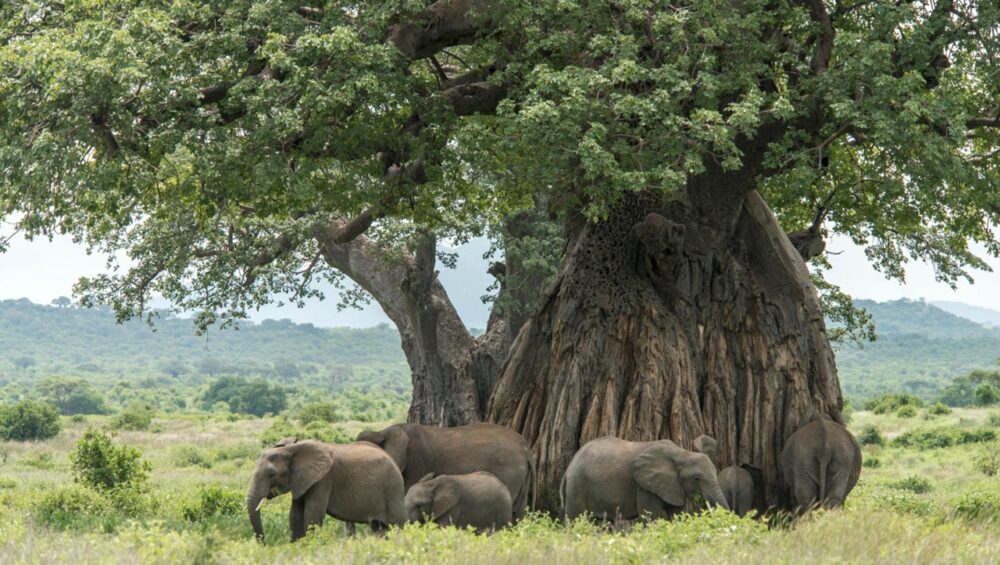
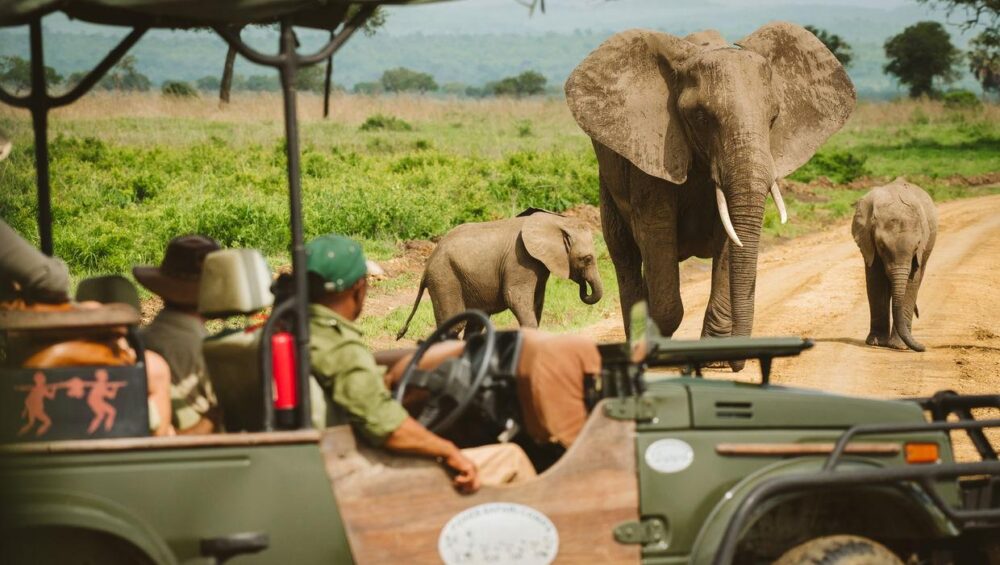
Elephants and baobab trees in Ruaha National Park

Ruaha National Park: The Complete Safari Guide

Ruaha National Park is one of the most impressive safari destinations in Tanzania and one of the best places to experience the country’s southern wilderness. The park is known for its large elephant population, powerful lion prides, African wild dogs, greater kudu, baobab-covered landscapes, and the Great Ruaha River. It also offers a quieter safari experience than some of Tanzania’s more famous northern parks.

Covering about 20,226 square kilometers, Ruaha is Tanzania’s second-largest national park. Its enormous size allows wildlife to thrive across a mixture of open savannah, woodland, rocky areas, seasonal rivers, and baobab-studded plains. The park is part of the larger Ruaha-Rungwa ecosystem, making it an important wildlife area in southern Tanzania.

A Ruaha safari is especially appealing to travelers who want more than the traditional Big Five experience. The park combines excellent wildlife viewing with dramatic scenery, fewer crowds, walking safaris, birdwatching, photography, and a strong feeling of being in a remote African wilderness.

This complete Ruaha National Park guide explains everything you need to know before planning your trip. It covers the park’s location, wildlife, best time to visit, things to do, accommodation, transportation, safari costs, recommended number of days, packing advice, and suggested itineraries.

What Makes Ruaha National Park Special?

Ruaha is special because of its combination of wilderness, wildlife, scenery, and relatively low visitor numbers. While destinations such as Serengeti and Ngorongoro receive large numbers of safari visitors, Ruaha often feels much more spacious and peaceful. You can spend hours exploring the park without encountering the same concentration of vehicles found in some of Tanzania’s northern safari areas.

The park is also famous for its elephants. Large herds are regularly seen moving through the savannah and woodland, particularly during the dry season when wildlife becomes more concentrated around reliable water sources. Lions are another major attraction, and Ruaha is also considered one of the better places in Tanzania to look for African wild dogs.

Another reason to visit is the landscape. Ruaha is not simply a flat grassland. The scenery changes between open plains, rocky hills, woodland, rivers, and enormous baobab trees. These different environments create a visually impressive safari and provide habitats for a wide variety of animals and birds.

Ruaha also sits in a region where eastern and southern African wildlife characteristics overlap. This contributes to the presence of species that are not always associated with the northern safari circuit, including greater kudu, sable antelope, and roan antelope.

Where Is Ruaha National Park Located?

Ruaha National Park is located in south-central Tanzania, within the southern safari circuit. The park is associated with Iringa Region and lies west of Iringa town. Its location makes it different from the northern safari destinations around Arusha, such as Serengeti, Ngorongoro, and Tarangire.

The park’s position is one reason it receives fewer visitors than some of Tanzania’s most famous destinations. It is farther from the main northern safari circuit, which means travelers generally need to plan a dedicated southern Tanzania itinerary.

Ruaha’s location also makes it possible to combine the park with other southern destinations. Depending on your route, you can combine Ruaha with Nyerere National Park, Mikumi National Park, Udzungwa Mountains, or other attractions in southern Tanzania.

For travelers who prefer a quieter safari and have enough time for a southern circuit, Ruaha can be an excellent choice.

How Big Is Ruaha National Park?

Ruaha National Park covers approximately 20,226 square kilometers, making it Tanzania’s second-largest national park. Its size is one of the defining features of the destination and helps create the feeling of a genuine wilderness area.

The park contains a variety of habitats, including open grasslands, woodland, river valleys, rocky landscapes, and areas dominated by baobab trees. These different habitats support different species and create changing scenery throughout a game drive.

Ruaha is also part of a much larger ecosystem. Wildlife can move across areas beyond the national park boundaries, connecting Ruaha with surrounding protected areas and wildlife habitats.

Because of the park’s size, visitors should not expect to see everything in one game drive. Spending several days in Ruaha gives you a better opportunity to explore different areas and encounter a wider variety of wildlife.

Wildlife in Ruaha National Park

Wildlife is the main reason most travelers visit Ruaha. The park supports a remarkable variety of mammals, including elephants, lions, leopards, cheetahs, buffaloes, giraffes, zebras, hippos, crocodiles, impala, greater kudu, lesser kudu, sable, roan, eland, waterbuck, warthogs, and African wild dogs.

Predators are particularly important to Ruaha’s safari appeal. Lions are frequently seen, while leopards and cheetahs require more patience and careful searching. African wild dogs are another major attraction, although sightings are never guaranteed because the animals move across large territories.

The park’s herbivore population provides an important food source for predators. During the dry season, animals often become concentrated around rivers and waterholes, creating excellent opportunities to observe interactions between different species.

Your guide plays an important role in finding wildlife. Experienced guides understand animal behavior and can use recent sightings, tracks, habitat, and environmental conditions to determine where to search.

Elephants in Ruaha National Park

Elephants are among the most recognizable animals in Ruaha. The park is known for supporting a large elephant population, and seeing herds moving through the landscape is one of the highlights of a visit.

During the dry season, elephants often spend more time near rivers and other remaining water sources. They may drink, bathe, feed along the riverbanks, or move between water and feeding areas.

Elephants can also be found feeding among the woodland and open savannah. Watching a herd move through a landscape of baobabs can create some of the most memorable scenes of a Ruaha safari.

Visitors should always maintain a safe distance and follow the instructions of their safari guide. Elephants are wild animals, and their behavior can change quickly.

Lions in Ruaha National Park

Ruaha is an excellent destination for travelers interested in lions. The park supports strong lion populations, and prides can often be found in areas where prey is abundant.

Lions may spend much of the hotter part of the day resting in shade. Early morning and late afternoon can provide better opportunities to observe active behavior because temperatures are more comfortable.

A lion sighting can be especially interesting when you have time to observe the animals rather than simply taking a photograph and moving on. You may see a pride resting together, adults interacting with cubs, or lions beginning to move as temperatures fall.

The presence of large numbers of herbivores also helps support the park’s predator population, making Ruaha an excellent destination for travelers interested in predator behavior.

Leopards in Ruaha National Park

Leopards are present in Ruaha but are naturally more difficult to find than some of the park’s other animals. Their secretive behavior and ability to hide in vegetation make them a challenging but rewarding sighting.

They can often be associated with woodland, riverine vegetation, and areas where they can find cover. A leopard may be resting on a tree branch or lying in thick vegetation, so careful observation is important.

Experienced guides are particularly valuable when searching for leopards. They know the areas where previous sightings have occurred and understand the signs that may indicate a leopard is nearby.

A leopard sighting is often one of the most exciting moments of a safari because finding one requires patience and luck.

African Wild Dogs in Ruaha National Park

African wild dogs are one of Ruaha’s most special attractions. They are highly social predators that live and hunt in packs, and their behavior is very different from that of lions and leopards.

Wild dogs can cover large distances and do not remain in one location for long. This makes sightings unpredictable. Even when a pack has recently been seen in an area, it may have moved many kilometers by the time another safari vehicle arrives.

Ruaha’s large wilderness and suitable habitat make it an important destination for travelers hoping to see these endangered predators.

If seeing wild dogs is one of your priorities, tell your safari operator before the trip. Your guide can then pay particular attention to recent sightings and suitable habitats.

Greater Kudu in Ruaha National Park

Greater kudu is one of the most impressive antelopes found in Ruaha. Male greater kudu are especially distinctive because of their large spiral horns.

They are often associated with woodland and areas where vegetation provides cover. Their coloring can make them surprisingly difficult to spot, even when they are relatively close to the vehicle.

Ruaha is an excellent destination for travelers who are interested in antelope species beyond the animals usually associated with the Big Five.

The park also has lesser kudu, adding to its importance for wildlife enthusiasts interested in East African antelope.

Sable and Roan Antelope

Ruaha is also notable for species such as sable and roan antelope. These animals are not guaranteed sightings, but they are among the species that make the park particularly attractive to experienced safari travelers.

Finding them can require patience because they are not as commonly encountered as impala, zebra, or buffalo. Their presence, however, adds to the diversity of the Ruaha safari experience.

If you are particularly interested in rare or less frequently seen species, a longer stay gives you a better opportunity to explore different habitats and search for them.

Giraffes, Zebras and Other Herbivores

Ruaha has a wide range of herbivores. Giraffes can be seen browsing on trees, while zebras and other grazing animals move through the open plains.

Impala are particularly important because they are a common prey species for several predators. Eland, waterbuck, buffalo, warthogs, and other herbivores also contribute to the ecosystem.

These animals may not always receive as much attention as lions or elephants, but watching them can help you understand how the park functions.

A good safari is not only about finding famous species. It is also about observing how animals interact with their environment.

The Big Five in Ruaha National Park

Ruaha offers opportunities to see several of the animals traditionally known as the Big Five. Elephants, buffaloes, lions, and leopards are present in the park.

Rhinoceros are not a defining feature of Ruaha, and travelers should not choose the park specifically for rhino viewing.

For many visitors, this is not a major disadvantage. Ruaha’s appeal lies in its overall wildlife diversity and wilderness atmosphere. The opportunity to see elephants, large lion prides, wild dogs, kudu, and other southern species can be more important than completing a Big Five checklist.

If your main priority is a broad wildlife experience with fewer crowds, Ruaha can be an excellent choice.

The Great Ruaha River

The Great Ruaha River is one of the most important natural features of the park. It provides water for wildlife and plays a major role in the ecosystem.

During the dry season, water becomes increasingly limited. Wildlife therefore becomes more dependent on the river and other remaining water sources.

This concentration can create excellent wildlife viewing opportunities. Elephants, hippos, crocodiles, birds, and other animals can be found around river areas.

Predators also benefit indirectly because prey animals need to visit the same water sources. This can make areas around the river productive for game drives.

The river is therefore more than a scenic feature. It is a major reason why wildlife patterns in Ruaha change throughout the year.

Ruaha’s Baobab Landscapes

Baobab trees are among the most recognizable features of Ruaha National Park. Their massive trunks and unusual shapes create a dramatic backdrop for wildlife photography.

A safari vehicle passing a large baobab with elephants or giraffes nearby can create an unforgettable scene.

Baobabs also demonstrate how different Ruaha is from the classic grassland landscapes associated with the Serengeti.

The combination of baobabs, golden grass, rocky hills, and wildlife gives the park a distinctive visual identity.

Miombo Woodlands

Miombo woodland covers significant parts of Ruaha and provides habitat for numerous animals and birds.

The woodland is particularly important for antelope species such as kudu. It also provides shelter and feeding opportunities for many other animals.

Game drives through woodland require careful observation because animals can be partially hidden by vegetation.

The experience is different from driving across an open plain. Wildlife may appear suddenly from behind trees, creating exciting encounters.

Best Time to Visit Ruaha National Park

Ruaha can be visited throughout the year, but the experience changes between seasons.

The dry season is generally considered the best time for concentrated wildlife viewing. As water becomes scarce, animals gather around reliable water sources, making them easier to locate.

The period from June to October is particularly popular for game viewing. Vegetation becomes less dense, roads are generally easier to navigate, and animals become more concentrated around water.

The green season offers a different experience. The landscape becomes greener, bird activity can increase, and the park can be particularly attractive for photography.

Your ideal travel period therefore depends on what you want from the safari. Travelers focused on wildlife concentration may prefer the dry season, while photographers and birdwatchers may enjoy the green season.

Visiting Ruaha During the Dry Season

The dry season is one of the strongest periods for a Ruaha safari.

As rainfall decreases, temporary water sources disappear and wildlife becomes increasingly dependent on rivers and permanent water sources.

This makes animals easier to locate.

The vegetation also becomes less dense, improving visibility.

Predators can be easier to find because prey animals are concentrated in predictable areas.

The main disadvantage is that the landscape can look dry and dusty. Temperatures can also become high during the afternoon.

Despite this, the dry season remains an excellent choice for first-time visitors whose main goal is wildlife viewing.

Visiting Ruaha During the Green Season

The green season transforms the park.

Rain brings fresh vegetation and changes the appearance of the landscape. Grass becomes greener, trees become more vibrant, and the scenery can be spectacular.

Birdwatching can also be rewarding during this period.

Migratory birds may be present, adding to the already impressive bird diversity.

The downside is that wildlife can be more dispersed because water is available across a wider area.

Some roads may also become more challenging after heavy rain.

For travelers who enjoy landscapes, photography, birds, and a quieter safari atmosphere, the green season can still be an excellent time to visit.

Ruaha National Park Weather

Ruaha generally experiences warm conditions, although temperatures vary between morning, afternoon, and evening.

Early mornings can be cool, especially during the dry season. Afternoon temperatures can become hot, while evenings may become cooler.

This makes layered clothing useful.

A light jacket can be helpful for early morning game drives. Once the sun rises, lighter clothing becomes more comfortable.

A hat, sunglasses, sunscreen, and drinking water are important throughout the year.

During the rainy season, a light waterproof jacket can also be useful.

How to Get to Ruaha National Park

Ruaha can be reached by road or air.

The best option depends on your starting point, budget, available time, and whether you are visiting other destinations in Tanzania.

Road travel is possible from Iringa and other parts of southern Tanzania. However, because Ruaha is a large and relatively remote destination, road travel can take significant time.

Flying is often the most convenient option for travelers with limited time. Safari flights can connect Ruaha with other destinations in Tanzania.

TANAPA identifies Msembe and Jongomero among the airstrips serving the park and recommends suitable 4×4 vehicles for road access, particularly during wetter periods.

How to Get to Ruaha From Dar es Salaam

Dar es Salaam is an important gateway for southern Tanzania.

Traveling to Ruaha by road from Dar es Salaam can be incorporated into a longer southern safari circuit. This can work well if you want to visit Mikumi or Nyerere National Park before continuing toward Ruaha.

For travelers with limited time, flying is more practical.

A domestic safari flight can reduce travel time considerably and allow you to spend more of your holiday inside the national park.

Your choice should depend on whether you value the road journey or want to maximize your safari time.

How to Get to Ruaha From Zanzibar

Zanzibar travelers can connect to Ruaha by air.

This is one of the easiest ways to combine a beach holiday with a southern Tanzania safari.

Instead of spending a full day traveling from Zanzibar to mainland Tanzania and then continuing by road, a flight can take you closer to the safari destination.

Fly-in safaris are particularly useful for travelers who have only a few days available.

Flight schedules vary, so it is important to confirm current routes, operating days, baggage limits, and departure times before booking.

How to Get to Ruaha From Arusha

Arusha is the gateway to Tanzania’s northern safari circuit.

Ruaha is located far to the south, so traveling between the two regions by road can take a significant amount of time.

Flying is usually more practical for travelers who want to combine northern and southern Tanzania.

A longer itinerary can include Serengeti and Ngorongoro before connecting by air to Ruaha.

This provides an opportunity to experience two very different safari environments.

How to Get to Ruaha From Moshi

Moshi is primarily known as the gateway to Mount Kilimanjaro.

Travelers who want to combine Kilimanjaro with Ruaha should plan their transportation carefully.

A road journey between Moshi and Ruaha is possible, but it is long.

Flying can reduce the travel time considerably.

A well-planned itinerary can allow you to climb Kilimanjaro first and then fly south for a Ruaha safari.

How to Get to Ruaha From Nairobi

Nairobi is an important regional travel hub, but Ruaha is located in Tanzania.

Travelers coming from Nairobi need to enter Tanzania before continuing toward the park.

Driving from Nairobi to Ruaha involves a long journey and border formalities.

For travelers with limited time, flying into Tanzania and connecting with a domestic safari flight is usually more efficient.

Ruaha can also be included as part of a longer Kenya and Tanzania itinerary.

Game Drives in Ruaha National Park

Game drives are the main activity in Ruaha.

Most visitors explore the park in a safari 4×4 with an experienced guide.

Because the park is so large, a vehicle allows you to cover significant distances and explore several habitats in one day.

Morning game drives are popular because temperatures are cooler and many animals are active.

Afternoon drives can also be productive, particularly as temperatures begin to fall.

Full-day game drives are ideal for travelers who want to explore more remote parts of the park.

Morning Game Drives

Morning is one of the best times to explore Ruaha.

The temperature is usually cooler, and many animals are active after the night.

Predators may still be hunting or moving through the landscape.

Bird activity also increases as the sun rises.

Morning light is particularly attractive for photographers.

A good guide will choose the route according to your interests and recent wildlife activity.

Afternoon Game Drives

Afternoon game drives provide another opportunity to explore the park.

As temperatures become more comfortable, animals may begin moving again.

Lions may leave shaded resting areas.

Elephants may continue feeding.

Giraffes can often be seen browsing.

The late afternoon light is also excellent for photography.

If you have several days in Ruaha, combining morning and afternoon drives gives you a broader experience of the park.

Full-Day Game Drives

A full-day game drive is ideal for travelers who want to explore a larger section of Ruaha.

The size of the park means that there is always more to discover.

A full day gives your guide time to search for particular species and travel between different habitats.

You can stop for a picnic lunch at an approved location before continuing the game drive.

This is particularly useful for travelers interested in special sightings such as wild dogs, greater kudu, sable, or roan.

Walking Safaris in Ruaha

Walking safaris provide a completely different way to experience Ruaha.

Instead of viewing the environment from a vehicle, you explore on foot with an authorized guide or ranger.

The focus is often on smaller details.

You can learn to recognize animal tracks, identify plants, understand bird calls, and observe signs of wildlife activity.

Walking also gives you a stronger sense of the landscape.

Because you are on foot in a wildlife area, safety is extremely important. Walking activities should always be arranged through authorized guides and conducted according to park regulations.

Birdwatching in Ruaha National Park

Ruaha is an excellent destination for birdwatching.

TANAPA records more than 570 bird species in the park, making it one of Tanzania’s important birding destinations.

The variety of habitats supports a wide range of birds.

Visitors can encounter raptors, hornbills, rollers, kingfishers, bee-eaters, starlings, weavers, and many other species.

The wet season can be particularly interesting for birdwatchers because migratory species may join resident birds.

You do not need to be an expert to enjoy birdwatching in Ruaha. A knowledgeable guide can help identify species and explain their behavior.

Photography in Ruaha National Park

Ruaha is an excellent destination for photography because both wildlife and landscapes are impressive.

The park’s baobabs provide dramatic backgrounds.

Open plains create opportunities for clean wildlife compositions.

River areas can produce excellent scenes involving elephants, hippos, crocodiles, and birds.

Predators are particularly exciting for photographers because their behavior can change quickly.

A longer safari gives photographers more opportunities to wait for the right moment instead of rushing between sightings.

Early morning and late afternoon usually provide the most attractive natural light.

Sundowners in Ruaha

A safari sundowner can be a memorable way to end a day in Ruaha.

After hours of game viewing, travelers can watch the sun set over the wilderness while enjoying refreshments at an approved location.

The landscape can become especially beautiful during the final minutes of daylight.

Baobabs, rocky hills, open plains, and distant wildlife can create a dramatic setting.

Sundowners must always be arranged according to park rules and with safety in mind.

Stargazing in Ruaha

Ruaha’s remote location makes it an excellent place for stargazing.

There is far less artificial light than in major cities, allowing the night sky to appear much clearer.

On a cloudless night, the stars can become one of the highlights of your safari.

For travelers staying in a tented camp, sitting outside after dinner can provide a memorable experience.

However, wildlife remains active after dark, so guests should follow their camp’s safety instructions and avoid walking around independently.

Where to Stay in Ruaha National Park

Accommodation in Ruaha ranges from campsites and basic accommodation to comfortable safari lodges and luxury tented camps.

The best choice depends on your budget and preferred style of travel.

Budget travelers can consider camping and simpler accommodation.

Mid-range travelers can choose comfortable safari camps and lodges.

Luxury travelers can choose high-end tented camps offering private rooms, quality meals, scenic settings, and personalized service.

Location is also important.

A property close to your preferred safari areas can reduce unnecessary travel and allow you to spend more time inside the park.

Camping in Ruaha

Camping provides one of the most immersive ways to experience the park.

Instead of being separated from nature by the walls of a conventional hotel, you are surrounded by the sounds of the African bush.

Nighttime can be particularly memorable.

You may hear hyenas calling in the distance or birds becoming active around the camp at sunrise.

Camping also allows travelers to experience the wilderness in a simpler and more direct way.

However, visitors must follow all park regulations and camp safety procedures. Wildlife should never be approached or followed independently.

Mid-Range Accommodation in Ruaha

Mid-range accommodation is suitable for travelers who want a balance between comfort and price.

These properties can offer comfortable rooms or tents, meals, outdoor areas, and useful facilities without the cost of high-end luxury camps.

Mid-range accommodation is a good choice for couples, families, and small groups.

It is also practical for travelers who spend most of their day on game drives and mainly need comfortable accommodation for resting and eating.

Luxury Accommodation in Ruaha

Luxury tented camps provide a more exclusive safari experience.

They often combine comfortable accommodation with excellent food, scenic locations, personalized service, and a strong connection with the surrounding wilderness.

Luxury accommodation is especially popular with honeymooners and couples celebrating special occasions.

The best luxury safari experience is not only about the room. Guiding quality, location, food, service, and the overall atmosphere are equally important.

How Many Days Do You Need in Ruaha?

The ideal Ruaha safari length depends on your interests and itinerary.

One day can provide an introduction to the park, but it is not ideal for travelers arriving by road because of the distance involved.

Two days allow for several game drives and a more relaxed experience.

Three days is an excellent option for first-time visitors.

Four or more days are ideal for travelers who want to explore different parts of the park, spend more time searching for predators, and enjoy activities such as walking safaris or birdwatching.

If you are traveling from Zanzibar or another distant starting point, three days or more can make the journey more worthwhile.

One-Day Ruaha Safari

A one-day Ruaha safari is possible, particularly when using air travel.

However, it can feel rushed.

Because the park is large and relatively remote, spending only one day limits the amount of time available for exploration.

If you have flexibility, staying at least two nights provides a better experience.

Two-Day Ruaha Safari

A two-day safari provides a reasonable introduction to Ruaha.

You can arrive, enjoy a game drive, stay overnight, and continue exploring the following day.

This gives you several opportunities to see wildlife and experience different areas of the park.

Two days can work well for travelers who are combining Ruaha with Nyerere, Mikumi, or another destination.

Three-Day Ruaha Safari

Three days is one of the best choices for a first visit.

It provides enough time for multiple game drives and allows you to explore different habitats.

You can spend one day focusing on areas around the Great Ruaha River and another exploring different sections of the park.

There is also more time to search for special species such as African wild dogs, greater kudu, sable, and roan.

Three days also gives you enough time to enjoy the accommodation and relax between game drives.

Four-Day or Longer Ruaha Safari

A longer safari is ideal for travelers who want a deeper wilderness experience.

Four or five days provide more flexibility.

You can take full-day game drives, spend time in different areas, and include walking or other activities where available.

Longer stays are also beneficial for photographers and wildlife enthusiasts who want to wait for particular species or behaviors.

The more time you spend in the park, the less your experience depends on what happens during a single game drive.

Ruaha National Park Safari Costs

The cost of a Ruaha safari depends on several factors.

Accommodation level is one of the biggest factors.

Budget camping is considerably cheaper than luxury tented accommodation.

Transportation also affects the price.

Road safaris can have different costs from fly-in safaris.

The number of travelers matters as well because private safari vehicle costs can be shared among a group.

Park fees, accommodation, meals, guide services, vehicle costs, transfers, and activities may all form part of the final package price.

Because fees and accommodation rates can change, travelers should request a current quotation before booking.

What Is Usually Included in a Ruaha Safari?

A safari package may include accommodation, meals, a private safari vehicle, an experienced driver-guide, park fees, airport transfers, and game drives.

The exact inclusions depend on the tour operator and package.

Some activities, flights, drinks, tips, travel insurance, visas, and personal expenses may be excluded.

Always read the quotation carefully.

A cheaper safari is not necessarily better if important services are missing from the package.

What to Pack for a Ruaha Safari

Packing for Ruaha should focus on comfort, practicality, and protection from the sun.

Lightweight clothing is useful during the warmer parts of the day.

A warm layer is useful for early morning game drives.

Comfortable walking shoes are important if you plan to take a walking safari.

A hat, sunglasses, sunscreen, insect repellent, and reusable water bottle are also useful.

Binoculars can greatly improve wildlife viewing.

A camera with extra batteries and memory cards is useful for photographers.

If you are flying on a small safari aircraft, check the baggage allowance before packing because luggage restrictions may apply.

Ruaha Safari Safety

Ruaha is a wild environment, and visitors must respect the animals and park regulations.

Always follow your guide’s instructions.

Do not approach wildlife.

Do not leave the safari vehicle unless your guide has confirmed that it is safe and permitted.

During walking activities, remain with your guide and follow all instructions.

At camps and lodges, follow nighttime movement rules.

Never assume that an animal is harmless because it looks calm.

Responsible behavior protects both visitors and wildlife.

Is Ruaha National Park Safe for Tourists?

Ruaha is generally suitable for organized safari tourism when visitors follow park rules and travel with experienced guides.

The most important safety principle is to remember that you are entering a wild environment.

Wild animals should always be treated with respect.

Travelers should also take normal precautions related to sun exposure, hydration, insects, food, and personal belongings.

Using an established safari operator and an experienced guide can make the trip safer and more comfortable.

Ruaha National Park for Families

Ruaha can be suitable for families, but parents should consider the age of their children and the length of the safari.

Long game drives can be tiring for young children.

Private safari vehicles can provide more flexibility because the schedule can be adapted around the family’s needs.

Accommodation should also be chosen carefully.

Families should confirm whether children are accepted, whether family rooms are available, and whether walking activities have age restrictions.

Ruaha National Park for Couples

Ruaha is an excellent destination for couples who want a peaceful and private safari experience.

The lower visitor density can create a more intimate atmosphere.

Tented camps can provide a romantic setting, while private game drives allow couples to explore at their own pace.

A combination of game drives, sundowners, scenic accommodation, and quiet evenings can make Ruaha particularly attractive for honeymooners.

Ruaha National Park Honeymoon Safari

A Ruaha honeymoon can combine adventure with privacy.

Couples can spend their days exploring the park and their evenings relaxing at a safari camp.

Luxury accommodation can provide additional comfort, while private game drives allow the itinerary to be tailored to the couple.

Ruaha can also be combined with Zanzibar.

A honeymoon itinerary could begin with a safari in Ruaha and end with several relaxing days on the beach.

Ruaha National Park vs Serengeti

Ruaha and Serengeti provide very different safari experiences.

Serengeti is famous for its enormous open plains, the Great Migration, and world-renowned predator viewing.

Ruaha is known for its wilderness, elephants, baobabs, wild dogs, kudu, and southern Tanzania atmosphere.

If the Great Migration is your main priority, Serengeti is the obvious choice.

If you prefer fewer crowds and a more remote experience, Ruaha may be more appealing.

Both parks can provide excellent wildlife viewing, but the overall atmosphere is different.

Ruaha vs Nyerere National Park

Ruaha and Nyerere are both major destinations in southern Tanzania.

Nyerere is famous for the Rufiji River, boat safaris, hippos, crocodiles, and its large wilderness area.

Ruaha is particularly known for elephants, predators, baobabs, and its dry-season river landscapes.

Combining the two creates an excellent southern Tanzania safari.

You can experience river-based wildlife activities in Nyerere and traditional game drives and wilderness landscapes in Ruaha.

Ruaha vs Mikumi National Park

Mikumi is generally easier to reach from Dar es Salaam.

This makes it particularly attractive for travelers with limited time.

Ruaha is more remote and much larger.

It offers a deeper wilderness experience and a wider range of southern Tanzania wildlife.

Mikumi can be excellent for short safaris.

Ruaha is better suited to travelers who have more time and want to explore a larger and quieter wilderness.

Ruaha Safari Itineraries

A good Ruaha itinerary should balance travel time with time inside the park.

If you have only two days, focus on game drives and the main wildlife areas.

A three-day itinerary provides more flexibility.

A four- or five-day safari can be combined with additional activities or another southern Tanzania destination.

Two-Day Ruaha Safari

A two-day safari can begin with arrival and an afternoon game drive. The second day can include a full-day game drive before departure.

This itinerary is suitable for travelers with limited time.

Three-Day Ruaha Safari

A three-day safari can include arrival and an afternoon game drive on the first day, a full day of wildlife exploration on the second day, and a final morning game drive before departure.

This gives you a good introduction to the park.

Four-Day Ruaha Safari

A four-day safari provides more time for wildlife viewing.

You can explore different habitats, take full-day game drives, and spend more time searching for specific species.

Where available and appropriate, walking safaris can also be included.

Five-Day Southern Tanzania Safari

Five days allows you to create a broader southern Tanzania experience.

Ruaha can be combined with Nyerere or Mikumi depending on your route.

This type of itinerary is ideal for travelers who want to experience more than one southern Tanzania ecosystem.

Why Choose a Ruaha Safari?

Ruaha is an excellent choice for travelers who want a quieter alternative to the busiest safari destinations.

Its huge size provides a strong sense of space.

Its wildlife is diverse.

Its elephant population is impressive.

Its predator viewing can be excellent.

Its landscapes are distinctive.

Its baobabs create spectacular scenery.

Its African wild dogs and unusual antelope species provide additional reasons to visit.

Most importantly, Ruaha still feels like a wilderness destination.

It is a place where the landscape and wildlife remain the center of the experience.

Frequently Asked Questions About Ruaha National Park

Is Ruaha National Park worth visiting?

Yes. Ruaha is particularly worthwhile for travelers who want excellent wildlife viewing, large elephant herds, predators, unusual antelope species, dramatic landscapes, and fewer crowds.

What is Ruaha National Park famous for?

Ruaha is famous for its elephants, lions, African wild dogs, greater kudu, baobab landscapes, the Great Ruaha River, and its large wilderness area.

Is Ruaha better than Serengeti?

Neither park is simply better. Serengeti is ideal for travelers interested in the Great Migration and famous northern safari landscapes. Ruaha is better suited to travelers who want a quieter southern wilderness experience.

Can you see wild dogs in Ruaha?

Yes. African wild dogs are found in Ruaha, although sightings are never guaranteed because they move across large areas.

Can you see the Big Five in Ruaha?

Elephants, buffaloes, lions, and leopards are present. Rhinoceros are not a defining attraction of Ruaha.

How many days do you need in Ruaha?

Three days is an excellent duration for a first visit. Two days can work for travelers with limited time, while four or more days allow a deeper exploration.

What is the best month to visit Ruaha?

The dry season from June to October is generally excellent for wildlife viewing because animals become more concentrated around water. The green season can be attractive for birdwatching and photography.

Can you visit Ruaha from Zanzibar?

Yes. Flying from Zanzibar to the Ruaha area is one of the most convenient ways to combine a Zanzibar holiday with a southern Tanzania safari.

Is Ruaha suitable for a honeymoon?

Yes. Ruaha’s quiet atmosphere, luxury tented camps, private game drives, wildlife, and dramatic landscapes make it an excellent honeymoon destination.

Final Thoughts

Ruaha National Park offers one of Tanzania’s most rewarding safari experiences. Its enormous size, diverse wildlife, dramatic landscapes, and relatively low visitor numbers make it very different from the country’s more heavily visited northern parks.

The park is especially attractive for travelers interested in elephants, lions, African wild dogs, greater kudu, baobabs, and authentic wilderness.

The best time to visit depends on your priorities. The dry season is excellent for concentrated wildlife viewing, while the green season offers beautiful scenery and strong birdwatching opportunities.

For travelers coming from Dar es Salaam, Zanzibar, Arusha, or Moshi, the best route depends on the amount of time available. Flying is often the most convenient option for short trips, while road travel can work well as part of a longer southern Tanzania safari.

A three-day safari is a strong starting point for first-time visitors. Longer stays provide more opportunities to explore the park and experience its different habitats.

If you want a Tanzania safari that feels wild, spacious, and less crowded, Ruaha National Park deserves a place near the top of your list.

Best places to stay near Mikumi National Park

Best Places to Stay Near Mikumi National Park

Choosing the right place to stay can make your Mikumi safari more comfortable and enjoyable. Mikumi National Park has several accommodation options in and around the park, ranging from simple campsites and budget lodges to comfortable safari camps and higher-end properties.

The best accommodation depends on your budget, safari duration, preferred level of comfort, and how close you want to be to the park. Some travelers prefer staying close to the park entrance, while others choose a lodge with more facilities and a relaxing atmosphere.

If you are planning a one-day, two-day, or three-day Mikumi safari, choosing the right accommodation can also help you make better use of your time.

Where to Stay Near Mikumi National Park

There are accommodation options both inside and outside Mikumi National Park. Staying closer to the park can be convenient because you spend less time traveling between your accommodation and the safari areas.

Accommodation around Mikumi town can also be a practical choice, especially for travelers arriving by road from Dar es Salaam. Some lodges are located close enough to the park to make early morning game drives convenient.

The right location depends on your itinerary. If wildlife viewing is your priority, staying close to the park can be particularly useful.

Staying Inside Mikumi National Park

Staying inside or close to the protected area can provide a more immersive safari experience. You are already near the wildlife environment when you wake up, which can make early morning game drives easier to organize.

Some safari camps and park accommodation options provide a closer connection with nature. You may hear birds and other sounds of the African bush around your accommodation.

However, accommodation inside the park can be more expensive than some options outside the park. Availability can also be limited, especially during busy travel periods.

For travelers who want the full safari atmosphere, staying inside the park or at a property very close to it can be an excellent choice.

Staying Near Mikumi Town

Mikumi town has several accommodation options and is convenient for travelers arriving by road.

Staying around town can provide access to restaurants, shops, and other basic services. It can also be useful for travelers who want a more affordable place to stay before or after a safari.

The main advantage is convenience. You can arrive in the area, check into your accommodation, and prepare for your game drive without needing to travel a long distance.

For budget-conscious travelers, accommodation around Mikumi town can offer good value.

Camp Bastian Mikumi

Camp Bastian Mikumi is one of the accommodation options travelers can consider when planning a safari in the area. The property is known as a safari-style accommodation option with facilities designed for visitors exploring Mikumi.

It can be suitable for travelers looking for a comfortable stay without choosing the highest-priced luxury properties.

Its location also makes it useful for safari itineraries that include game drives in Mikumi National Park.

Before booking, check the current room options, availability, meals, and services because accommodation facilities and rates can change.

Mikumi Safari Lodge

Mikumi Safari Lodge is another accommodation option for travelers visiting the park. It provides a safari-oriented setting and can work well for visitors who want accommodation close to the Mikumi safari experience.

The lodge can be considered by couples, families, and individual travelers depending on the available room types.

When choosing a lodge, it is important to look beyond the room itself. Consider the location, meals, transportation arrangements, and how easily your safari vehicle can access the park.

Tan-Swiss Lodge

Tan-Swiss Lodge is located in the Mikumi area and offers accommodation for travelers looking for a comfortable stay near the national park.

The property has been known as an option for safari travelers and visitors exploring the wider Morogoro and Mikumi area.

It can be a practical choice for travelers who want to combine their safari with time around the local area.

As with any accommodation, current prices and availability should be confirmed before booking.

Mantis Lodge and Camping Site

Mantis Lodge and Camping Site provides another option for travelers who prefer a combination of lodge accommodation and camping.

This type of accommodation can appeal to travelers who want to experience the natural surroundings while keeping their accommodation options flexible.

Camping can also be attractive to travelers who want a more traditional safari atmosphere.

If you are planning to camp, confirm what facilities are available and whether camping equipment is provided or needs to be brought separately.

Mikumi Wildlife Camp

Mikumi Wildlife Camp is another safari accommodation option associated with the Mikumi area.

Wildlife camps can be particularly appealing to visitors who want to spend more time surrounded by the natural environment.

The experience can feel different from staying in a conventional hotel.

For travelers who want their accommodation to be part of the safari experience, a wildlife camp can be worth considering.

Vuma Hills Tented Camp

Vuma Hills Tented Camp is located in the wider Mikumi National Park environment and offers a more traditional tented safari experience.

Tented accommodation is popular among travelers who want to combine comfort with a closer connection to nature.

The setting can be especially attractive to couples and travelers looking for a quieter safari experience.

Because properties can have seasonal availability and changing rates, it is important to confirm the current accommodation details before booking.

Stanley’s Kopje

Stanley’s Kopje is a safari accommodation option in the Mikumi area known for its elevated setting and wildlife-focused atmosphere.

A property with a scenic location can add another dimension to your safari because the accommodation itself becomes part of the experience.

This type of lodge can be attractive to travelers who are looking for more than a basic overnight stay.

It is particularly suitable for visitors who want to relax after spending several hours on a game drive.

Angalia Tented Camp

Angalia Tented Camp is another option for travelers looking for tented accommodation near Mikumi.

Tented camps can offer a balance between comfort and a traditional safari atmosphere.

They are particularly appealing to visitors who want to experience the sounds and surroundings of the African bush while still having comfortable accommodation.

Always confirm current availability, room categories, meal arrangements, and access to the park before making your final decision.

Best Budget Accommodation Near Mikumi

Travelers on a limited budget do not necessarily need to sacrifice the safari experience.

There are affordable lodges, guesthouses, and camping options around Mikumi. Staying outside the park can often reduce accommodation costs compared with higher-end safari camps.

Budget accommodation can be a good choice if you plan to spend most of your time inside the park on game drives.

The accommodation does not need to be luxurious if your main priority is wildlife.

However, check the cleanliness, location, security, meals, and transport arrangements before booking.

Best Mid-Range Accommodation Near Mikumi

Mid-range accommodation is a popular choice for many safari travelers because it provides a balance between price and comfort.

These properties can offer private rooms, comfortable beds, meals, outdoor areas, and other useful facilities without the higher prices associated with luxury camps.

Mid-range accommodation works well for couples, families, and small groups.

It is also a good option for a two-day or three-day Mikumi safari because you can relax comfortably after a full day in the park.

Best Luxury Accommodation Near Mikumi

Luxury safari accommodation is designed for travelers who want a more exclusive experience.

Luxury properties can offer spacious rooms or tents, quality dining, private facilities, scenic locations, and additional services.

The advantage is not only the room. A good luxury safari property can make the entire trip feel more relaxed.

Luxury accommodation is particularly attractive for honeymooners, couples celebrating special occasions, and travelers who prefer comfort over saving money.

Where to Stay for a One-Day Mikumi Safari

If you are doing a one-day safari, accommodation may not be necessary if you are returning to Dar es Salaam on the same day.

However, travelers who arrive in Mikumi the day before can benefit from staying close to the park.

An early start can give you more time for wildlife viewing.

For a one-day safari, location is therefore more important than having extensive hotel facilities.

A comfortable property near the park can make the safari easier and reduce unnecessary travel.

Where to Stay for a Two-Day Mikumi Safari

A two-day safari gives you more accommodation choices.

You can arrive on the first day, enjoy a game drive, stay overnight, and continue exploring the following morning.

Mid-range lodges and safari camps are particularly suitable for this type of itinerary.

Staying close to the park means you can spend more time on safari instead of traveling long distances between your accommodation and the park.

Where to Stay for a Three-Day Mikumi Safari

A three-day safari gives you more time to enjoy your accommodation as well as the park.

You can take your time during game drives and return to your lodge for meals and relaxation.

This makes a comfortable mid-range or luxury property more attractive.

If you are traveling from Zanzibar, a three-day itinerary can also make the overall journey less rushed.

Best Places to Stay in Mikumi for Families

Families should consider more than price when choosing accommodation.

Room configuration is important. Families should check whether the property offers family rooms or suitable arrangements for children.

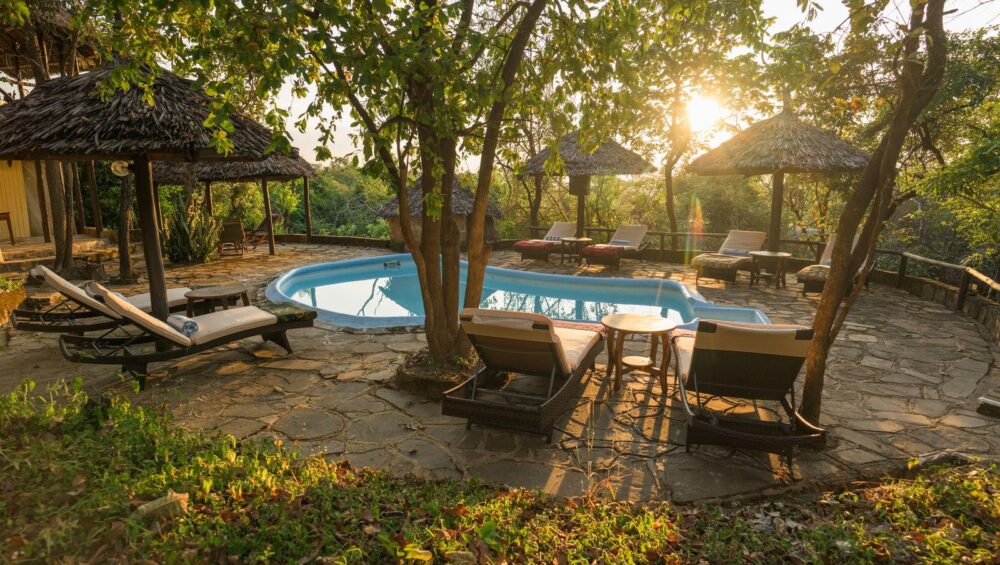
A swimming pool or outdoor space can also be useful, especially after a long game drive.

Location matters as well. A property close to the park can reduce travel time and make the safari more comfortable for children.

Private safari arrangements can also give families more flexibility with departure times and breaks.

Best Places to Stay in Mikumi for Couples

Couples may prefer accommodation with a quiet setting, comfortable rooms, good dining, and scenic surroundings.

Tented camps can provide a more intimate safari atmosphere.

Higher-end lodges can also be attractive for honeymooners or couples celebrating a special occasion.

The best choice depends on whether you prioritize privacy, luxury, location, or price.

Can You Stay Inside Mikumi National Park?

Yes, there are accommodation options within the wider Mikumi protected area and nearby safari camps.

Staying closer to the park can provide a more immersive experience and reduce travel time before game drives.

However, not every accommodation option is located inside the national park itself. Some properties described as being near Mikumi are located outside the park boundaries.

This distinction is important when booking.

Always check the exact location of the property and how far it is from the gate you will use for your safari.

How Much Does Accommodation Near Mikumi Cost?

Accommodation prices near Mikumi vary widely.

Budget properties can be significantly cheaper than luxury safari camps.

Mid-range accommodation sits between these two categories and is often a popular choice for travelers who want comfort without paying luxury prices.

Prices can also change according to season, room type, meal plan, and availability.

Safari packages may include accommodation together with park fees, meals, transportation, and game drives.

For this reason, comparing the total safari package rather than only the room price can sometimes provide a better understanding of the actual cost.

Where to Stay Near Mikumi From Zanzibar

Travelers coming from Zanzibar should consider their arrival and departure times when choosing accommodation.

If you are flying to the Mikumi area, staying close to your safari activities can help maximize your time.

If you are traveling through Dar es Salaam by road, accommodation around Mikumi can be useful after the long transfer from the coast.

For a one-day safari, a very convenient location is important because travel time is limited.

For two or three days, you have more flexibility and can choose accommodation based on comfort and experience.

How to Choose the Best Place to Stay Near Mikumi

The best accommodation is not necessarily the most expensive one.

Start with your safari itinerary.

If you are planning early morning game drives, choose a property with convenient access to the park.

Next, consider your budget.

A simple lodge can be perfectly suitable if you spend most of the day exploring the park.

If comfort is important, a mid-range lodge may provide the best balance.

If you are celebrating a special occasion, a luxury tented camp can make the safari more memorable.

You should also check what is included. Meals, transfers, Wi-Fi, swimming pools, family rooms, and other facilities vary between properties.

Frequently Asked Questions About Mikumi Accommodation

What is the best place to stay near Mikumi National Park?

The best place depends on your budget and safari itinerary. Travelers looking for comfort can consider mid-range safari lodges, while budget travelers may prefer simpler accommodation or camping.

Can you stay inside Mikumi National Park?

Yes, accommodation is available within the wider protected area and in nearby safari properties. Always check the exact location because some properties marketed as being near Mikumi are outside the park.

What is the best budget accommodation near Mikumi?

There are several budget lodges, guesthouses, and camping options around Mikumi. The best choice depends on current availability, facilities, location, and price.

What is the best luxury accommodation near Mikumi?

Luxury tented camps and safari lodges provide a more exclusive experience. The best option depends on your preferred location, facilities, and safari itinerary.

Where should I stay for a one-day Mikumi safari?

For a one-day safari, staying close to the park can be beneficial because it reduces travel time. If you are traveling from Dar es Salaam and returning the same day, you may not need accommodation in Mikumi.

Is it better to stay inside or outside Mikumi National Park?

Staying inside or very close to the park can save travel time and provide a stronger safari atmosphere. Staying outside can offer more affordable accommodation and easier access to local services.

Final Thoughts

Mikumi National Park offers accommodation for different types of travelers. Whether you are looking for a simple place to sleep, a comfortable mid-range lodge, or a luxury safari camp, there are options to consider around the park.

The best choice depends on your budget, the length of your safari, and how much time you want to spend traveling between your accommodation and the park.

For short safaris, location should be a major consideration. For longer safaris, comfort and the overall accommodation experience become more important.

If you are traveling from Zanzibar, Dar es Salaam, Arusha, or another destination, choose accommodation that fits your transport schedule and safari plans.

A good place to stay should make your safari easier, more comfortable, and more enjoyable from the moment you arrive until the end of your trip.

Read Also

How to Get to Mikumi National Park

How Many Days Do You Need in Mikumi National Park?

Mikumi National Park Activities: Things to Do on Safari

Things to Know Before Visiting Mikumi National Park

Where Is Mikumi National Park Located?

What Are Some Interesting Facts About Mikumi National Park?

How to Get to Mikumi National Park

Mikumi National Park is one of the most accessible safari destinations in Tanzania, especially for travelers starting from Dar es Salaam. Located in the Morogoro Region, the park is about 283 to 288 kilometers from Dar es Salaam by road. Its location makes it a practical choice for travelers who want to experience a Tanzania safari without spending several days traveling to a remote destination.

Mikumi can be reached by road or air, depending on where your journey begins. Dar es Salaam is the main gateway, while travelers from Zanzibar, Arusha, Moshi, and Nairobi need to plan additional connections. Understanding the different routes can help you choose the most convenient option for your safari.

How to Get to Mikumi National Park From Dar es Salaam

Dar es Salaam is the most convenient starting point for a Mikumi safari. The journey from the city to the park is approximately 283 to 288 kilometers and normally takes around four hours by road, depending on traffic, road conditions, and stops along the way.

The most convenient option is to travel with a private safari vehicle. A safari company can pick you up from your hotel or Julius Nyerere International Airport and drive directly toward Mikumi. The same safari vehicle can then take you into the park for your game drive.

Leaving Dar es Salaam early in the morning is recommended if you want to enjoy a game drive on the same day. The earlier you leave, the more time you can have for wildlife viewing.

Flying is another option for travelers who want to reduce road travel. Scheduled flights can operate to the Mikumi area, depending on the current flight schedule and availability.

How to Get to Mikumi National Park From Zanzibar

Mikumi National Park is located on mainland Tanzania, so travelers staying in Zanzibar need to connect with the mainland before continuing to the park.

One option is to travel from Zanzibar to Dar es Salaam and then continue by road toward Mikumi. The route passes through Morogoro before reaching the park. This option can work well for travelers who prefer road travel or want a private safari transfer.

Another option is to fly from Zanzibar toward the Mikumi area when a suitable flight is available. Flying can save considerable travel time and allows you to spend more of your holiday enjoying the safari rather than traveling by road.

A one-day Mikumi safari from Zanzibar can be arranged, but it can involve a long travel day. A two-day or three-day safari is usually more comfortable because it gives you more time for wildlife viewing and relaxation.

How to Get to Mikumi National Park From Arusha

Arusha is the main gateway for Tanzania’s northern safari circuit. It is also the starting point for many safaris to destinations such as Serengeti National Park, Ngorongoro Crater, and Tarangire National Park.

Mikumi is located much farther south, so traveling from Arusha by road takes considerably longer than traveling from Dar es Salaam.

Road travel is possible for travelers who are planning a longer Tanzania itinerary. However, if Mikumi is your main safari destination, flying toward Dar es Salaam and continuing by road can be more practical.

Another option is to include Mikumi as part of a longer southern Tanzania itinerary. This allows you to combine several destinations instead of making a long journey only to visit Mikumi.

How to Get to Mikumi National Park From Moshi

Moshi is best known as a gateway to Mount Kilimanjaro. Many travelers stay in Moshi before or after climbing the mountain.

Moshi is located in northern Tanzania, while Mikumi is in southern Tanzania. The distance between the two destinations makes a direct road journey relatively long.

Traveling by road is possible, but it may not be the most efficient choice for a short safari. Travelers with limited time can consider flying toward Dar es Salaam and continuing to Mikumi by road or connecting with an available safari flight.

If you are planning both Kilimanjaro and Mikumi, it is best to organize the route in advance. This can help reduce unnecessary travel time and make the overall trip more comfortable.

How to Get to Mikumi National Park From Nairobi

Nairobi is a major travel hub in East Africa and a common starting point for Kenya safaris. However, Mikumi is located in Tanzania, so travelers coming from Nairobi need to cross the Kenya–Tanzania border before continuing south.

A road journey from Nairobi to Mikumi is possible, but it is a long route and involves border formalities. It is therefore not usually the most convenient option for a short Mikumi safari.

Travelers starting in Nairobi who want to visit Mikumi may prefer to fly into Tanzania and continue from Dar es Salaam. This can make the itinerary simpler and reduce the amount of time spent traveling by road.

If you are planning a Kenya and Tanzania safari together, Mikumi can be included as part of a longer East African itinerary.

Can You Travel to Mikumi by Train?

Train travel can be combined with a Mikumi safari, although there is no direct passenger train that takes you inside the national park.

Travelers may use the Tanzania SGR service to reach Morogoro when the schedule works for their itinerary. From Morogoro, a road transfer is required to continue to Mikumi.

This can be an interesting option for travelers who enjoy train journeys. However, a direct private safari vehicle from Dar es Salaam is usually simpler if your main goal is to reach Mikumi quickly.

Train schedules can change, so travelers should check the current timetable before planning the journey around a train connection.

Can You Fly to Mikumi National Park?

Yes. Air travel is available for Mikumi and can be a useful option for visitors who want to reduce road travel.

Mikumi has an airstrip in the park area, and flights can connect the destination with other parts of Tanzania depending on the operating schedule.

Flying is particularly attractive for travelers coming from Zanzibar or those with limited vacation time. It can allow you to spend more time on safari instead of spending several hours on the road.

Flight availability can vary by season and operator. Baggage restrictions can also apply, especially on small safari aircraft. Always confirm the flight schedule and luggage allowance before booking.

How Far Is Mikumi National Park From Dar es Salaam?

Mikumi National Park is approximately 283 to 288 kilometers from Dar es Salaam by road.

The journey usually takes around four hours, although the exact time depends on traffic, road conditions, stops, and your departure point.

This relatively short distance is one of the main reasons Mikumi is popular with visitors staying in Dar es Salaam.

It is also why the park works well for short safari itineraries.

How Far Is Mikumi From Zanzibar?

The distance from Zanzibar to Mikumi is more complicated because the two destinations are separated by the Indian Ocean.

Travelers first need to connect Zanzibar with mainland Tanzania before continuing to Mikumi.

The total travel time depends on whether you use a ferry and road transfer or choose air travel. A private itinerary can be arranged around your preferred transport method.

For travelers with limited time, flying can be more convenient.

For travelers who want to keep costs lower, combining mainland transport with a road safari can be an alternative.

How Long Does It Take to Get to Mikumi?

Travel time depends on your starting point.

From Dar es Salaam, the road journey is generally around four hours.

From Zanzibar, the total journey can take significantly longer because you need to connect with mainland Tanzania.

From Arusha or Moshi, the journey is much longer by road because these destinations are in northern Tanzania.

From Nairobi, travelers also need to account for the international border crossing between Kenya and Tanzania.

For this reason, your starting location should be one of the first things you consider when choosing your Mikumi safari itinerary.

Which Is the Best Way to Get to Mikumi National Park?

For most travelers, the best option is to travel from Dar es Salaam by private safari vehicle. It is straightforward, comfortable, and allows you to combine transportation with your safari.

For travelers coming from Zanzibar, flying can be a convenient option when suitable flights are available. Traveling through Dar es Salaam by road is another practical choice.

For travelers coming from Arusha or Moshi, flying can reduce the amount of time spent on the road. A longer southern Tanzania itinerary can also make the journey more worthwhile.

For travelers coming from Nairobi, flying into Tanzania is generally more convenient than making the entire journey by road, especially if you have limited time.

Can You Visit Mikumi in One Day?

Yes, a one-day Mikumi safari is possible.

It is most practical for travelers starting from Dar es Salaam because of the relatively short road distance.

Travelers coming from Zanzibar can also arrange a one-day safari, but the schedule needs to be carefully planned because of the additional travel between the island and mainland.

If you have more time, a two-day safari is a better option. It allows you to spend more time in the park without making the trip feel rushed.

A three-day safari provides even more flexibility and can include several game drives.

Final Thoughts

Getting to Mikumi National Park is relatively easy when you choose the right route for your starting point. Dar es Salaam is the main gateway and offers the simplest road connection to the park.

Travelers from Zanzibar can connect through Dar es Salaam or consider flying when suitable services are available. Visitors from Arusha and Moshi have a longer journey and may benefit from a flight connection. Travelers coming from Nairobi need to consider the Kenya–Tanzania border and the additional distance involved.

Choosing the right transport option can make a significant difference to your safari experience. If you are short on time, flying can save hours of travel. If you prefer a road adventure, a private safari vehicle offers flexibility and allows you to enjoy the journey as part of the experience.

For most visitors, planning the journey around their starting location, safari duration, and budget is the best way to reach Mikumi comfortably.

Read Also

How Many Days Do You Need in Mikumi National Park?

Mikumi National Park Activities: Things to Do on Safari

Things to Know Before Visiting Mikumi National Park

Where Is Mikumi National Park Located?

What Are Some Interesting Facts About Mikumi National Park?

Safari vehicle and wildlife in Mikumi National Park

Things to Know Before Visiting Mikumi National Park

Planning a safari to Mikumi National Park is an exciting opportunity to experience Tanzania’s wildlife without spending many days traveling between destinations. Located in the Morogoro Region of southern Tanzania, Mikumi is known for its open savannah landscapes, diverse wildlife, and the famous Mkata Floodplain. Its relatively convenient location also makes it popular with travelers staying in Dar es Salaam and visitors who want to combine a Zanzibar beach holiday with a mainland safari.

Before visiting Mikumi National Park, it is useful to understand how to get there, when to visit, what animals you may see, how many days you need, what to pack, and what to expect during a game drive. Good preparation can make your safari more comfortable and help you get more from your time in the park.

Where Is Mikumi National Park?

Mikumi National Park is located in southern Tanzania, within Morogoro Region. The park lies along the major road connecting Dar es Salaam with destinations farther west and south. Its location has made it one of the more accessible national parks for travelers based on the Tanzanian coast.

Mikumi is approximately 300 kilometers from Dar es Salaam by road. The journey takes several hours depending on traffic, road conditions, and your exact departure point. This accessibility makes the park particularly suitable for travelers looking for a short safari rather than a long trip into northern Tanzania.

Mikumi is also part of the southern Tanzania safari circuit. Travelers with more time can combine it with destinations such as Nyerere National Park, Udzungwa Mountains National Park, and Ruaha National Park.

When Is the Best Time to Visit Mikumi National Park?

Mikumi National Park can be visited throughout the year, but the experience can change depending on the season. The dry season is generally popular with safari travelers because vegetation becomes less dense and wildlife can be easier to locate around remaining water sources. The period from June to October is often considered a good time for general wildlife viewing.

The green season offers a different experience. Rainfall brings fresh vegetation and gives the landscape a greener appearance. This period can also be attractive for birdwatchers because seasonal bird activity adds to the park’s resident birdlife. Photographers may also enjoy the dramatic skies and lush scenery.

The best time to visit ultimately depends on your priorities. If your main goal is wildlife viewing, the dry season can be a strong choice. If you prefer green landscapes, birdwatching, and a different atmosphere, visiting during the wetter months can also be rewarding.

How Many Days Do You Need in Mikumi?

The ideal length of a Mikumi safari depends on where you are traveling from and how much time you have available. A one-day safari can work for travelers who are staying in Dar es Salaam or have very limited time, but it can involve a long travel day.

A two-day Mikumi safari offers a better balance for many travelers. It gives you time to travel to the park, enjoy a game drive, spend a night near the park, and continue exploring the following day. This option is especially useful if you want to avoid rushing.

A three-day Mikumi safari allows for a more relaxed experience. You can enjoy multiple game drives and have more time to appreciate the scenery and wildlife. Travelers coming from Zanzibar may find a two- or three-day itinerary more comfortable because additional travel time is required to reach mainland Tanzania.

How Do You Get to Mikumi National Park?

Road travel is one of the most common ways to reach Mikumi National Park. From Dar es Salaam, the route generally passes through the Morogoro area before continuing toward Mikumi. The journey takes several hours, making private safari vehicles a popular option for visitors who want transport and game drives arranged together.

Air travel can also be an option depending on the available flight schedules. Travelers should check current routes before planning their itinerary because flight availability can change according to season and demand.

If you are traveling from Zanzibar, the journey requires an additional connection because Mikumi is located on mainland Tanzania. You can travel from Zanzibar to Dar es Salaam and then continue to Mikumi by road, or use suitable air connections when available. For many visitors, booking a complete safari package is the easiest way to coordinate these transfers.

What Animals Can You See in Mikumi?

Mikumi National Park is home to a wide range of wildlife, making it an attractive destination for both first-time safari travelers and experienced visitors. The park’s open grasslands provide good conditions for viewing many large mammals during game drives.

Elephants are among the animals visitors commonly hope to see. Giraffes can often be found browsing vegetation, while zebras and wildebeests may be seen grazing across open areas. Buffaloes are also present, and hippos can be found around suitable water sources.

Mikumi is also home to predators, including lions. Seeing a lion during a game drive can be one of the most memorable moments of a safari. Other wildlife includes different species of antelope, monkeys, baboons, crocodiles, and many smaller animals.

Wildlife sightings cannot be guaranteed because animals move freely through the park. Your guide’s knowledge, the season, weather conditions, and time of day can all influence what you see.

What Is a Typical Mikumi Safari Like?

The main activity in Mikumi National Park is the game drive. Visitors explore the park in a safari vehicle accompanied by a guide who knows the roads, wildlife areas, and behavior of the animals.

Morning game drives are popular because temperatures are generally cooler and many animals are active during the early hours. Afternoon drives provide another opportunity to explore the park, particularly as temperatures become more comfortable later in the day.

A full-day game drive gives you more time to explore different areas and look for wildlife. Instead of spending only a few hours in the park, you can take your time and stop when interesting wildlife is found.

The Mkata Floodplain is one of the most important areas for wildlife viewing. Its open landscape can provide wide views across the savannah and make it easier to spot animals at a distance.

What Should You Pack for Mikumi National Park?

Packing for a Mikumi safari does not need to be complicated. Comfortable clothing is one of the most important things to consider because you may spend several hours inside a safari vehicle.

Lightweight trousers and shirts are practical during the day. A light jacket or sweater can be useful during early morning game drives when temperatures may be cooler. Comfortable closed shoes are also recommended, especially if your itinerary includes walking activities.

Sun protection is essential. Sunglasses, sunscreen, and a hat can help protect you from strong sunlight during the day. A reusable water bottle is also useful for staying hydrated.

If photography is important to you, bring a camera with a suitable zoom lens. Binoculars can also improve your experience by allowing you to observe animals and birds from a greater distance.

What Should You Wear on Safari?

Safari clothing should be comfortable and practical. Lightweight and breathable clothes are suitable for warm daytime conditions, while a light jacket can provide extra comfort during cooler mornings.

Neutral colors such as beige, brown, khaki, and green are commonly chosen for safari. They blend naturally with the environment and are practical for outdoor activities.

Comfortable footwear is important. If you are only doing game drives, normal comfortable shoes may be enough. If your itinerary includes a guided walking experience, closed and supportive footwear is a better choice.

What Are the Park Rules?

Mikumi National Park is a protected wildlife area, so visitors must follow park regulations. These rules are designed to protect wildlife, visitors, and the natural environment.

During game drives, remain inside the safari vehicle unless your guide tells you that it is safe and permitted to leave. Wild animals should never be approached or disturbed, even when they appear calm.

Avoid feeding animals, making unnecessary noise, or leaving rubbish behind. Your guide will explain important safety and conservation rules before and during your safari.

Following these guidelines helps protect the park and ensures that future visitors can enjoy the same natural environment.

Is Mikumi National Park Safe?

Mikumi is a wildlife environment, so normal wildlife safety rules are important. The safest approach is to listen carefully to your safari guide and follow instructions throughout your visit.

Do not attempt to approach wild animals or leave the vehicle without permission. Animals can behave unpredictably, even when they appear relaxed.

If you are staying at a lodge or camp near the park, follow the property’s instructions about moving around after dark. Walking around wildlife areas at night without appropriate guidance is not recommended.

With responsible behavior and a professional safari operator, visitors can enjoy Mikumi safely while respecting the natural environment.

How Much Does a Mikumi Safari Cost?

The cost of a Mikumi safari depends on several factors, including the number of days, number of travelers, accommodation level, transportation, and whether you choose a private or shared safari.

A private safari generally provides greater flexibility because the itinerary can be adjusted around your interests and schedule. Shared safaris can sometimes reduce the cost by dividing transportation expenses among travelers.

When comparing safari prices, check what is included in the package. Park fees, transportation, accommodation, meals, guide services, and game drives can all affect the final price.

A cheaper quote is not necessarily the best option if important services are excluded. Understanding the inclusions before booking can help you avoid unexpected costs.

Can You Visit Mikumi National Park From Zanzibar?

Yes, Mikumi National Park can be visited from Zanzibar. This is one of the reasons Mikumi is attractive to travelers who want to combine a beach holiday with a safari.

Zanzibar offers beaches, marine activities, and cultural experiences, while Mikumi provides a mainland wildlife experience. Combining the two gives travelers an opportunity to experience very different sides of Tanzania during the same holiday.

The journey from Zanzibar requires travel to mainland Tanzania before continuing to Mikumi. Depending on your itinerary, this can be arranged by combining sea or air travel with road transportation.

A one-day safari is possible for travelers with very limited time, but it can be tiring because of the travel involved. A two-day or three-day safari usually provides a more comfortable experience.

What Should You Expect From a Mikumi Safari?

A safari is different from a normal sightseeing trip because wildlife is unpredictable. You may see many animals during one game drive and have a quieter experience during another.

This is normal.

Animals move freely through their natural environment. Your guide may spend time searching for particular species or following signs of recent animal activity.

Safari roads can also be uneven in some areas. A safari vehicle is designed for these conditions, but visitors should still expect some bumps during the journey.

Patience is an important part of safari. Sometimes the most memorable sightings happen after waiting quietly for an animal to appear or watching an animal’s behavior for several minutes.

Is Mikumi Good for First-Time Safari Travelers?

Mikumi can be a good introduction to a Tanzania safari. Its accessibility makes it possible to experience a national park without committing to a long northern safari circuit.

The park has diverse wildlife and attractive landscapes. Game drives provide opportunities to see large mammals while learning about the ecosystem from an experienced guide.

Mikumi is also suitable for travelers who want a shorter safari. You can build an itinerary around one, two, or three days depending on your available time.

For visitors who are combining a safari with a Zanzibar holiday, Mikumi can provide a convenient way to add wildlife to the trip.

Can You See the Big Five in Mikumi?

Mikumi is home to several species associated with the African Big Five, including lions, elephants, buffaloes, and leopards. However, wildlife sightings vary and some animals are much harder to find than others.

Rhinoceros are not a regular sight in Mikumi, so travelers should not choose the park based solely on expectations of seeing all five species.

Mikumi’s appeal is its overall wildlife experience. The opportunity to see elephants, giraffes, zebras, lions, buffaloes, hippos, birds, and other species makes the park rewarding even when a particular animal is not encountered.

Common Mistakes to Avoid When Visiting Mikumi

One common mistake is choosing an itinerary that does not allow enough time for travel. This is particularly important when traveling from Zanzibar, where the journey to mainland Tanzania adds extra time.

Another mistake is expecting guaranteed wildlife sightings. A safari takes place in a natural environment, so animals cannot be scheduled.

Visitors should also avoid packing only for hot weather. Early morning game drives can be cooler, making a light jacket useful.

Ignoring your guide’s instructions is another mistake to avoid. Your guide understands the environment and wildlife behavior and should always be treated as the authority during your safari.

Finally, avoid trying to get too close to animals for photographs. A good safari photograph is never worth compromising your safety or disturbing wildlife.

Why Visit Mikumi National Park?

Mikumi National Park combines accessibility with a genuine Tanzania wildlife experience. Its location makes it particularly convenient for travelers based in Dar es Salaam and those who want to add a safari to a Zanzibar holiday.

The park’s open savannah and Mkata Floodplain create attractive landscapes for game drives. Visitors may encounter elephants, lions, giraffes, zebras, buffaloes, hippos, antelopes, birds, and many other species.

Mikumi is also part of the southern Tanzania safari circuit. Travelers with more time can combine it with Nyerere, Udzungwa, or Ruaha for a longer wildlife adventure.

For travelers who want to experience Tanzania’s wildlife without spending a long time traveling between destinations, Mikumi can be an excellent choice.

Frequently Asked Questions About Visiting Mikumi National Park

Is Mikumi National Park worth visiting?

Mikumi National Park is worth visiting for travelers looking for an accessible safari destination with diverse wildlife and attractive savannah landscapes. Its location also makes it convenient for shorter safari itineraries.

Can I visit Mikumi in one day?

A one-day Mikumi safari is possible, particularly for travelers staying in Dar es Salaam. However, the experience can involve a long travel day. Two days usually provides more time to enjoy the park at a comfortable pace.

What is the best time to visit Mikumi?

The dry season is generally popular for wildlife viewing because vegetation can be less dense and animals may concentrate around water sources. However, Mikumi can be visited throughout the year, and the green season offers beautiful landscapes and rewarding birdwatching.

Can I visit Mikumi from Zanzibar?

Yes. Mikumi can be included in a Zanzibar holiday. Travelers need to reach mainland Tanzania before continuing to the park. The journey can be arranged by combining sea or air travel with road transportation.

What should I wear in Mikumi?

Wear comfortable, lightweight clothing suitable for warm weather. A light jacket is useful for early morning drives, while comfortable shoes, sunglasses, sunscreen, and a hat are practical additions.

Is Mikumi suitable for families?

Mikumi can be suitable for families, particularly when the safari is planned around comfortable travel times and suitable accommodation. Private safari arrangements can provide additional flexibility for families.

How long should I stay in Mikumi?

Two or three days is a good duration for many visitors. One day can work for travelers with limited time, while a longer stay allows more opportunities for game drives and a relaxed safari experience.

Final Thoughts

Knowing what to expect before visiting Mikumi National Park can help you plan a more enjoyable safari. Consider the season, travel time, safari duration, accommodation, and activities before making your arrangements.

Mikumi offers a genuine wildlife experience in an accessible part of southern Tanzania. Its diverse wildlife, open landscapes, and connection to the wider southern safari circuit make it an attractive destination for both first-time and experienced safari travelers.

If you are staying in Zanzibar, Mikumi also provides an opportunity to combine a beach holiday with a mainland safari. Choosing the right itinerary can give you enough time to enjoy the journey, explore the park, and experience Tanzania’s wildlife without unnecessary rushing.

Read Also

How Many Days Do You Need in Mikumi National Park?

Mikumi National Park Activities: Things to Do on Safari

Where Is Mikumi National Park Located?

What Are Some Interesting Facts About Mikumi National Park?

How Much Does a Mikumi Safari Cost, Prices for 1, 2 & 3 Day Safaris

How Many Days Do You Need in Mikumi National Park?

Planning a safari to Mikumi National Park and wondering how many days you need? For most travelers, 2 to 3 days is the ideal length for a Mikumi safari. This gives you enough time to enjoy several game drives, explore different areas of the park, and experience Tanzania’s wildlife without rushing.

However, the best safari duration depends on where you are traveling from, your budget, your interests, and how much time you have available. A 1-day Mikumi safari can be a good option for travelers with limited time, while a 3-day or longer safari is better for visitors who want a more relaxed experience.

Mikumi is one of Tanzania’s most accessible safari destinations, particularly for travelers coming from Dar es Salaam and Zanzibar. Its open plains, wildlife-rich landscapes, and proximity to major travel hubs make it an attractive choice for both short safari trips and longer southern Tanzania adventures.

In this guide, we explain exactly how many days you should spend in Mikumi National Park and what you can expect from a 1-day, 2-day, or 3-day safari.

How Many Days Do You Need in Mikumi National Park?

For most visitors, 2 or 3 days is the recommended amount of time for Mikumi National Park.

A 1-day safari allows you to experience the park and enjoy a game drive, but the schedule can be tight, especially if you are traveling from Zanzibar. A 2-day safari provides a much better balance between travel and wildlife viewing, while 3 days allows you to enjoy the park at a more relaxed pace.

Here is a simple comparison:

Safari DurationBest ForExperience
1 DayTravelers with limited timeQuick wildlife experience
2 DaysFirst-time visitorsBest overall balance
3 DaysRelaxed safari travelersMore game-drive opportunities
4–5 DaysSafari enthusiastsExtended southern Tanzania experience

If you are visiting Mikumi for the first time, 2 days and 1 night is an excellent starting point.

Is One Day Enough for Mikumi National Park?

Yes, you can visit Mikumi National Park in one day, but you should understand that it will be a fast-paced safari.

A 1-day Mikumi safari is particularly attractive to travelers who have limited time in Tanzania. It can also work well for visitors staying in Dar es Salaam or travelers visiting Zanzibar who want to add a safari experience to their beach holiday.

During a one-day safari, the main focus is usually on the game drive. Depending on your starting point, you may travel early in the morning, enter the park, spend several hours exploring the wildlife areas, and then begin your return journey.

One day can be enough to see some of Mikumi’s famous wildlife, including elephants, giraffes, zebras, buffaloes, wildebeests, hippos, and potentially lions.

However, wildlife sightings are never guaranteed. Animals move freely throughout the park, and spending more time in the area generally gives you more opportunities to explore different habitats and encounter different species.

Who Should Choose a 1-Day Mikumi Safari?

A 1-day safari is suitable for:

  • Travelers with a very limited schedule
  • Visitors staying in Dar es Salaam
  • Zanzibar travelers looking for a short mainland safari
  • First-time safari visitors who want a quick introduction
  • Budget-conscious travelers
  • Travelers combining a safari with a beach holiday

If your priority is simply experiencing a Tanzanian safari rather than spending several days in the bush, one day can be worthwhile.

However, if you have enough time, staying overnight is usually a better option.

How Many Days Is Best for a Mikumi Safari?

For most travelers, 2 days and 1 night is the best Mikumi safari duration.

Two days give you considerably more time than a day trip without requiring a long commitment. You can enjoy game drives on different parts of your trip, spend a night close to the park, and experience the destination without constantly watching the clock.

A typical 2-day Mikumi safari may look like this:

Day 1: Travel and Game Drive

Your safari begins with travel toward Mikumi National Park. After arriving and completing the necessary arrangements, you can begin your game drive.

The afternoon can be spent exploring Mikumi’s plains and wildlife areas. Depending on the season and conditions, you may encounter elephants, giraffes, zebras, buffaloes, wildebeests, impalas, hippos, and other wildlife.

After the game drive, you spend the night at your selected accommodation near the park.

Day 2: Morning Game Drive and Departure

The second day gives you another opportunity to explore Mikumi, often beginning with a morning game drive.

Early hours can be particularly rewarding because many animals are active before the heat of the day becomes intense.

After your morning experience, you can have breakfast or continue with your planned journey before departing Mikumi.

A 2-day safari is ideal for travelers who want a genuine safari experience while keeping the trip relatively short.

Is 3 Days Enough in Mikumi National Park?

Yes. Three days is an excellent duration for travelers who want a more relaxed Mikumi safari.

With three days, you have more flexibility to spend time in different areas, enjoy multiple game drives, and avoid making the safari feel like a rushed excursion.

A possible 3-day itinerary could look like this:

Day 1: Arrival and Afternoon Game Drive

Travel to Mikumi National Park and settle into your accommodation. Depending on your arrival time, you can enjoy an afternoon game drive.

This gives you your first opportunity to explore the park and begin looking for wildlife.

Day 2: Full-Day Mikumi Safari

Day two can be dedicated primarily to wildlife viewing.

With a full day available, your safari guide can spend more time exploring different areas instead of having to return quickly because of a tight schedule.

You may encounter large herbivores such as elephants, buffaloes, zebras, giraffes, and wildebeests, as well as predators such as lions.

You can also spend time observing birds, landscapes, and smaller animals that are easy to miss during a rushed game drive.

Day 3: Morning Safari and Departure

Enjoy another morning game drive before beginning your journey onward.

This extra morning gives you another opportunity to search for wildlife and enjoy Mikumi’s scenery before leaving the park.

For couples, families, photographers, and travelers who simply prefer a slower pace, 3 days can be better than trying to fit the entire experience into one day.

How Many Days Should You Stay in Mikumi From Zanzibar?

If you are traveling from Zanzibar, the ideal duration depends on how much time you have available.

A 1-day Mikumi safari from Zanzibar can be suitable for travelers who want to experience a safari during a short Zanzibar holiday. However, the day can be long because of the travel involved.

A 2-day Mikumi safari from Zanzibar is generally a better choice. You can travel to the mainland, enjoy a game drive, stay overnight, and have additional time for wildlife viewing before returning to Zanzibar.

If you have more time, a 3-day Mikumi safari from Zanzibar gives you a more relaxed experience.

For travelers combining a Zanzibar beach holiday with a Tanzania safari, 2–3 days in Mikumi can provide a good balance between wildlife and beach time.

How Many Days Should You Stay in Mikumi From Dar es Salaam?

Mikumi is also a popular safari destination for travelers starting from Dar es Salaam.

Because of its relative accessibility from the city, travelers with limited time can consider a 1-day Mikumi safari from Dar es Salaam.

However, a 2-day safari provides a more comfortable experience. You have more time for game drives and do not need to fit the entire safari experience into a single day.

Travelers with three days can enjoy a slower itinerary and potentially combine Mikumi with another destination in southern Tanzania.

What Can You See During a Mikumi Safari?

The amount of wildlife you see depends on the season, location, weather, time of day, and simply the unpredictable nature of wildlife.

Mikumi is known for its diverse wildlife, and some of the animals you may encounter include:

Elephants

Elephants are among the most impressive animals to encounter in Mikumi. Seeing a herd moving across the open landscape can be one of the highlights of a safari.

Giraffes

Giraffes are commonly associated with Tanzania’s savannah landscapes, and Mikumi offers opportunities to see them feeding and moving through the park.

Zebras and Wildebeests

Zebras and wildebeests can often be seen across open grassland areas, sometimes alongside other grazing animals.

Buffaloes

African buffaloes are another major species you may encounter during a game drive. They can sometimes be seen in herds across the park.

Lions

Mikumi is home to lions, although sightings are never guaranteed. Spending multiple days in the park gives your guide more opportunities to search for predators.

Hippos and Other Wildlife

Hippos can be found around suitable water sources, while crocodiles may also be seen in some areas.

You may also encounter antelopes, monkeys, baboons, birds, reptiles, and numerous smaller species.

What Is the Best Time to Visit Mikumi National Park?

The best time to visit Mikumi depends on what you want to experience.

The dry season is often considered favorable for wildlife viewing because vegetation can be less dense and animals may gather around available water sources.

The green season offers a different experience. The landscape becomes lush, there can be fewer visitors, and birdwatching can be particularly rewarding.

For travelers who only have one day, timing can be especially important. Starting early can help you take advantage of cooler hours when wildlife is often active.

If you have 2 or 3 days, you have greater flexibility and more opportunities to experience different conditions.

How to Make the Most of Your Time in Mikumi

Regardless of whether you stay for one, two, or three days, a few decisions can make your safari more enjoyable.

Start Early

Early morning game drives can be rewarding because temperatures are generally cooler and many animals are active.

Spend at Least One Night if Possible

If your schedule allows, staying overnight gives you more time in the destination and reduces the feeling of rushing through the safari.

Choose an Experienced Guide

A knowledgeable safari guide can make a significant difference. Guides understand animal behavior, know the park’s roads and habitats, and can help you make better use of your available time.

Don’t Try to See Everything

A safari is not about checking every animal off a list. Take time to enjoy the landscape, watch animal behavior, photograph the scenery, and appreciate the experience.

1 Day vs 2 Days vs 3 Days in Mikumi

So, which duration should you choose?

Choose 1 day if you have very limited time and mainly want a quick introduction to Mikumi National Park.

Choose 2 days if you want the best balance between travel, game drives, accommodation, and cost. This is our recommended option for many first-time visitors.

Choose 3 days if you want a more relaxed experience with additional opportunities for wildlife viewing and photography.

If you have 4 or 5 days available, you can consider expanding your itinerary beyond Mikumi and exploring more of southern Tanzania.

Frequently Asked Questions About Mikumi Safari Duration

Can You Visit Mikumi National Park in One Day?

Yes. A one-day safari is possible and can be a good option for travelers with limited time. However, the itinerary can be long, especially when traveling from Zanzibar.

Is 2 Days Enough for Mikumi National Park?

Yes. Two days and one night is enough for a rewarding introduction to Mikumi National Park and gives you more time than a day trip.

Is 3 Days Too Long for Mikumi National Park?

No. Three days can be ideal for travelers who prefer a slower pace and want additional game-drive opportunities.

How Many Days Do You Need in Mikumi From Zanzibar?

For most travelers from Zanzibar, 2 days and 1 night is a strong option. A 3-day trip is better if you want a more relaxed safari.

How Many Days Do You Need in Mikumi From Dar es Salaam?

A day trip can work from Dar es Salaam, but 2 days gives you a more comfortable safari experience with additional time for wildlife viewing.

Can You See Lions in Mikumi National Park?

Yes, lions live in Mikumi National Park. However, wildlife sightings are unpredictable, so there is no guarantee that you will see them during a particular safari.

What Is the Best Length for a First Mikumi Safari?

For a first visit, 2–3 days is recommended. Two days is ideal for a short and balanced safari, while three days allows you to explore at a more relaxed pace.

Final Verdict: How Many Days Do You Need in Mikumi National Park?

So, how many days do you really need in Mikumi National Park?

For most travelers, 2 to 3 days is the ideal safari duration.

A 1-day Mikumi safari is suitable when time is limited, especially for travelers visiting from Zanzibar or Dar es Salaam. A 2-day safari offers the best balance of time, wildlife viewing, comfort, and cost. A 3-day safari is the better choice for travelers who want a relaxed experience and more opportunities to explore.

If you are traveling from Zanzibar, consider spending at least one night near Mikumi rather than trying to rush through the park in a single day. And if you have additional time, you can extend your southern Tanzania adventure by combining Mikumi with other destinations.

Ready to experience Mikumi National Park? Choose the safari duration that fits your schedule and let your journey into Tanzania’s wildlife country begin.

Is Mikumi National Park Worth Visiting?

Yes, Mikumi National Park is worth visiting, especially for travelers looking for an authentic Tanzania safari experience without the long travel times and higher costs associated with some of the country’s more famous parks. Located in southern Tanzania, Mikumi offers excellent wildlife viewing, beautiful landscapes, and easy access from Zanzibar and Dar es Salaam. Visitors can encounter elephants, lions, giraffes, zebras, buffalo, hippos, and many other wildlife species, making it one of the best short safari destinations in Tanzania.

For travelers with limited time, a Mikumi safari provides the perfect opportunity to experience the African wilderness through a one-day or two-day safari adventure.

Why Is Mikumi National Park Worth Visiting?

Mikumi National Park is worth visiting because it combines the excitement of a traditional African safari with convenience and affordability. Many travelers dream of seeing Tanzania’s wildlife, but not everyone has enough time for a long safari itinerary covering destinations such as Serengeti and Ngorongoro. Mikumi provides an alternative where visitors can experience incredible wildlife encounters without spending several days on the road.

The park is famous for its open landscapes, especially the Mkata Floodplain, which creates excellent conditions for wildlife viewing. The wide grasslands allow visitors to easily spot animals moving across the plains, creating memorable safari moments for photographers and first-time safari travelers.

Another reason Mikumi is becoming increasingly popular is its accessibility. Travelers staying in Zanzibar can combine a beach holiday with a wildlife adventure through a fly-in Mikumi safari. Visitors based in Dar es Salaam can also reach the park more easily compared to many other safari destinations in Tanzania.

What Makes Mikumi National Park Special?

Mikumi has a unique character that makes it different from other Tanzanian national parks. While famous destinations such as Serengeti are known for massive wildlife events like the Great Migration, Mikumi provides a more relaxed safari experience where visitors can enjoy nature without the larger crowds found in some northern parks.

The park is part of the larger Selous ecosystem, creating a rich environment for wildlife. Its combination of grasslands, forests, rivers, and wetlands supports a diverse range of animals and bird species.

For travelers who want a genuine safari experience with fewer complications, Mikumi offers a balance between adventure, comfort, and accessibility.

What Animals Can You See in Mikumi National Park?

Mikumi National Park is home to a wide variety of wildlife, making every game drive an exciting experience. Visitors frequently see large animals such as elephants, lions, giraffes, zebras, buffalo, wildebeest, and hippos.

The park is also known for its impressive birdlife, with hundreds of bird species recorded in the area. This makes Mikumi an excellent destination for travelers interested in wildlife photography and birdwatching.

Although wildlife sightings can never be guaranteed because animals move freely in their natural environment, Mikumi’s open landscapes provide excellent opportunities for spotting animals throughout the year.

Is Mikumi National Park Good for First-Time Safari Visitors?

Yes, Mikumi is one of the best choices for first-time safari travelers. The park offers the complete safari experience without requiring a long and expensive itinerary.

Many first-time visitors are looking for a safari where they can see iconic African animals, enjoy a professional guide, travel comfortably, and experience the beauty of Tanzania’s wilderness. Mikumi provides all of these experiences in a shorter and more affordable package.

For travelers staying in Zanzibar, Mikumi is especially attractive because it allows them to add a safari adventure to their beach holiday without changing their entire travel plan.

Is Mikumi Better Than Serengeti?

Mikumi and Serengeti offer different safari experiences, so the better choice depends on what a traveler wants.

The Serengeti is world-famous for its vast plains, large predator populations, and the Great Migration. However, visiting Serengeti usually requires more time and a larger budget.

Mikumi is better suited for travelers who want a shorter safari, easier access, and a more affordable wildlife experience. It is particularly ideal for visitors staying in Zanzibar or Dar es Salaam who want to experience Tanzania’s wildlife without traveling to the northern safari circuit.

For a short safari holiday, Mikumi offers excellent value and unforgettable wildlife encounters.

Can You Visit Mikumi National Park From Zanzibar?

Yes, Mikumi National Park can be visited from Zanzibar, and this is becoming one of the most popular safari options for island visitors.

A fly-in Mikumi safari from Zanzibar allows travelers to save time by flying directly toward the safari destination instead of spending many hours on the road. Many visitors choose a one-day fly-in safari, where they depart Zanzibar in the morning, enjoy a game drive in Mikumi, and return to Zanzibar after their adventure.

Travelers who prefer a slower experience can choose a two-day Mikumi safari, which allows more time for game drives and an overnight stay near the park.

Can You Visit Mikumi National Park From Dar es Salaam?

Yes, Mikumi is one of the most accessible safari destinations from Dar es Salaam. Its location makes it popular among local travelers, international visitors arriving through Dar es Salaam, and people looking for weekend safari experiences.

A safari from Dar es Salaam is a practical option for travelers who want to combine city visits with wildlife experiences.

What Is the Best Time to Visit Mikumi National Park?

Mikumi National Park can be visited throughout the year, and each season offers a different experience.

The dry season, which generally runs from June to October, is often considered one of the best periods for wildlife viewing because animals tend to gather around available water sources and vegetation becomes less dense.

The green season, from November to May, transforms the park into a beautiful landscape filled with fresh vegetation and excellent opportunities for birdwatching and photography.

The best time depends on what type of experience you want, but Mikumi remains a rewarding destination in every season.

Who Should Visit Mikumi National Park?

Mikumi is suitable for almost every type of traveler. It is an excellent choice for couples looking for a romantic adventure, families wanting a safe wildlife experience, solo travelers exploring Tanzania, photographers searching for amazing landscapes, and first-time safari visitors.

It is also a great option for travelers who are staying in Zanzibar and want to add a safari experience to their holiday.

Final Verdict: Is Mikumi National Park Worth Visiting?

Yes, Mikumi National Park is definitely worth visiting.

The park offers everything many travelers look for in a Tanzania safari: incredible wildlife, beautiful scenery, professional safari experiences, and convenient access from major tourist destinations.

Whether you are planning a fly-in safari from Zanzibar or a short safari from Dar es Salaam, Mikumi provides an unforgettable introduction to Tanzania’s natural beauty.

For travelers who want a genuine African safari experience without the complexity and cost of longer safari routes, Mikumi National Park remains one of Tanzania’s best choices.

Is One Day Enough for Mikumi National Park?

Yes, one day is enough for Mikumi National Park if you want to experience a short safari and see Tanzania’s wildlife highlights. A one-day Mikumi safari can include several hours of game drives where visitors have the opportunity to see elephants, lions, giraffes, zebras, buffalo, hippos, and other wildlife. It is especially suitable for travelers staying in Zanzibar or Dar es Salaam who have limited time but still want an authentic African safari experience.

However, a one-day safari is a quick introduction to Mikumi. Travelers who want a more relaxed experience with more time for wildlife viewing and exploring the area may prefer a two-day Mikumi safari.

Why Is a One-Day Mikumi Safari Possible?

Mikumi National Park is one of Tanzania’s most accessible safari destinations, which makes a one-day safari possible for many travelers.

Unlike remote parks that require long transfers and multiple days of travel, Mikumi can be reached relatively easily from Dar es Salaam. For visitors staying in Zanzibar, a fly-in safari makes it possible to travel to Mikumi, enjoy a game drive, and return to the island within the same day.

The park’s open landscapes also make it suitable for shorter visits because wildlife can often be spotted without spending several days searching through different areas.

What Can You See During a One-Day Mikumi Safari?

Even with limited time, a one-day Mikumi safari can provide exciting wildlife encounters.

During a typical game drive, visitors may see elephants walking across the plains, giraffes feeding among acacia trees, zebras and wildebeest moving through the grasslands, and buffalo gathering in groups.

Mikumi is also home to predators such as lions. Although wildlife sightings are never guaranteed, the park’s open environment provides good opportunities to observe different species during a single game drive.

The experience is not only about animals. Visitors also enjoy the beautiful landscapes, birdlife, and the feeling of being surrounded by Tanzania’s natural wilderness.

What Does a One-Day Mikumi Safari Include?

A one-day Mikumi safari usually includes transportation, a professional safari guide, park entrance fees, and a game drive inside Mikumi National Park.

For travelers coming from Zanzibar, a fly-in safari normally includes flights between Zanzibar and the safari area, airport transfers, and a guided wildlife experience.

The exact inclusions depend on the safari operator and package selected.

Is One Day Enough for Mikumi Safari from Zanzibar?

Yes, a one-day Mikumi safari from Zanzibar is one of the best options for travelers who want to combine a beach holiday with a wildlife adventure.

Many visitors spend their vacation relaxing on Zanzibar’s beaches but want to experience Tanzania’s famous wildlife. A fly-in Mikumi safari allows them to add a safari experience without changing their entire itinerary.

A typical day begins with an early departure from Zanzibar, followed by a game drive in Mikumi National Park before returning to Zanzibar later in the day.

For travelers who value convenience and time efficiency, this is an excellent choice.

Is One Day Enough for Mikumi Safari from Dar es Salaam?

Yes, but it requires an early start.

Mikumi is one of the closest national parks to Dar es Salaam, making it popular for day trips and weekend safaris. Travelers can leave Dar es Salaam early in the morning, spend time exploring the park, and return after their game drive.

However, because the road journey takes several hours, some visitors prefer a two-day safari to avoid spending too much time traveling.

One-Day vs Two-Day Mikumi Safari: Which Is Better?

A one-day Mikumi safari is best for travelers who have limited time and want a quick wildlife experience. It is affordable, convenient, and allows visitors to see some of Tanzania’s famous animals.

A two-day Mikumi safari provides a deeper experience. Travelers have more time for additional game drives, can enjoy the park at a slower pace, and may have better opportunities for different wildlife sightings.

The best option depends on your schedule, budget, and safari expectations.

Who Should Choose a One-Day Mikumi Safari?

A one-day Mikumi safari is ideal for travelers who are:

Visiting Zanzibar and want a quick safari experience.

Traveling on a limited schedule.

Looking for an affordable Tanzania safari option.

Experiencing their first African safari.

Combining a beach holiday with a wildlife adventure.

Final Verdict: Is One Day Enough for Mikumi National Park?

Yes, one day is enough to experience Mikumi National Park, especially if your goal is to enjoy a short but memorable safari and see Tanzania’s wildlife.

A one-day safari offers excellent value for travelers coming from Zanzibar or Dar es Salaam. However, if you want a more relaxed adventure with more time inside the park, a two-day Mikumi safari is the better choice.

For many visitors, a one-day Mikumi safari is the perfect way to add a wildlife experience to their Tanzania holiday.

What Is the Best Time to Visit Mikumi National Park?

The best time to visit Mikumi National Park is during the dry season from June to October, when wildlife viewing is at its best. During this period, animals gather around water sources, vegetation becomes thinner, and safari visitors have better chances of spotting elephants, lions, giraffes, zebras, buffalo, and other wildlife.

However, Mikumi National Park is a year-round safari destination. The green season from November to May offers beautiful landscapes, fewer visitors, and excellent birdwatching opportunities, making it a great choice for travelers who prefer a quieter safari experience.

Why Is the Dry Season the Best Time for Mikumi Safari?

The dry season is considered the ideal period for a Mikumi safari because wildlife becomes easier to find. As water sources become limited, many animals gather around rivers, waterholes, and remaining green areas, increasing the chances of exciting game viewing.

The open plains of Mikumi National Park make this season especially rewarding. With less vegetation blocking visibility, visitors can easily observe animals moving across the landscape and enjoy better photography conditions.

The months between June and October also offer comfortable weather, with warm days, cooler mornings, and less rainfall during game drives.

Visiting Mikumi National Park During the Green Season

The green season, which runs from November to May, offers a completely different safari experience.

During this period, rainfall transforms Mikumi into a beautiful green landscape filled with fresh vegetation and colorful scenery. This is one of the best times for photographers who want dramatic landscapes and vibrant wildlife backgrounds.

The green season is also excellent for birdwatching because migratory birds arrive, increasing the diversity of bird species found in the park.

Although wildlife may be more spread out because water is available in many areas, visitors can still enjoy excellent game drives and wildlife encounters.

What Is the Best Month to Visit Mikumi National Park?

Different months offer different advantages.

June to October is the best overall period for wildlife viewing because animals are easier to locate and the weather is ideal for safari activities.

July to September is often considered one of the strongest periods for safari because of dry conditions and excellent visibility.

November to February is a great choice for travelers interested in photography and birdwatching because the park becomes greener and bird activity increases.

March to May is the wettest period, but it can still be rewarding for travelers who prefer fewer crowds and lower safari prices.

Is Mikumi National Park Good to Visit During the Rainy Season?

Yes, Mikumi can still be visited during the rainy season.

Many travelers avoid the rainy months, but they offer unique advantages. The park is less crowded, accommodation may be more affordable, and the scenery is at its most beautiful.

The main disadvantage is that some roads inside the park can become challenging after heavy rainfall, and wildlife may be harder to spot because animals have access to more water sources.

For travelers who are flexible and interested in nature photography, the rainy season can still provide a memorable experience.

Best Time for a Mikumi Safari from Zanzibar

For visitors traveling from Zanzibar, the dry season from June to October is usually the most recommended period because it combines comfortable weather with excellent wildlife viewing.

However, since Mikumi is accessible through fly-in safaris, travelers staying in Zanzibar can enjoy the park throughout the year.

A fly-in Mikumi safari from Zanzibar during the green season can be especially attractive for visitors who want beautiful scenery, fewer crowds, and a different safari atmosphere.

Best Time for a Mikumi Safari from Dar es Salaam

Travelers coming from Dar es Salaam can visit Mikumi throughout the year.

The dry season is ideal for first-time safari visitors because wildlife viewing conditions are at their peak. However, weekend travelers and local visitors may also enjoy the quieter atmosphere of the green season.

Because Mikumi is relatively accessible from Dar es Salaam, visitors have flexibility when planning their safari.

What Is the Best Time for Photography in Mikumi?

The best photography conditions depend on the type of images you want.

The dry season offers better opportunities for animal photography because wildlife gathers in predictable areas and visibility is higher.

The green season provides beautiful backgrounds, dramatic skies, newborn animals, and excellent bird photography opportunities.

Both seasons can produce incredible safari photographs.

Final Verdict: When Should You Visit Mikumi National Park?

The best time to visit Mikumi National Park is June to October during the dry season, especially if your main goal is wildlife viewing.

However, there is no bad time to visit Mikumi. The dry season offers easier animal sightings, while the green season provides beautiful scenery, fewer crowds, and excellent birdwatching.

Whether you choose a one-day fly-in Mikumi safari from Zanzibar, a two-day safari, or a safari from Dar es Salaam, Mikumi National Park offers unforgettable wildlife experiences throughout the year.